
Blog
The Truth About ‘Strain Names’ — Marketing Term or Real Difference?
One of the first things most people notice about Kratom…
One of the first things most people notice about Kratom is the lengthy list of strain names: Red Bali Kratom, White Maeng Da Kratom, Green Malay Kratom, Red Vein , and dozens more. What do these names imply, though? Do these categories have a scientific basis or are they only shrewd marketing strategies?
In order to help you (and your readers) understand what really important when selecting Kratom products, we’re going to take a thorough, fact-based look at the realities behind Kratom strain names in this piece.
The History Of Kratom Strain Names
The tropical tree known as Kratom, or Mitragyna speciosa, is indigenous to Southeast Asia, particularly in nations like Malaysia, Indonesia, Thailand, and Myanmar. Its leaves have been utilized for years by the local community as a source of energy, stamina, and discomfort alleviation.
As best Kratom entered Western markets, vendors started naming various leaf kinds according to harvest locations or historically recognized local variants. Here is when tradition and marketing begin to converge, since this name helped set things apart for an expanding market.
What Are The Significance Of Strain Names?
Three criteria are typically used to determine the names of best Kratom strains:
Color Of The Veins
The most widely used naming scheme is determined by the hue of the Kratom leaf’s veins:
Red Vein: Usually taken later in the leaf’s life cycle.
Green Vein: Harvested midway through the growth cycle.
White Vein: White veins are often younger leaves.
Infographic: Kratom Alkaloids – Effects, Potencies & Vein Colors
Place Of Origin
Geographical markers are frequently included in popular Kratom strains, such as:
- Maeng Da
- Malay
- Sumatra
- Bali
- Borneo
- Vietnamese
These may or may not show the location of the Kratom harvest. Geographic labeling frequently convey the seller’s desired perception of the product’s effects based on reputation rather than confirmed plant chemistry.
Although these vein colors are actual plant characteristics, their impacts are more arbitrary.
Nicknames And Branding
Some names are pure branding. Words like “Super”, “Premium”, “Gold”, “Elite”, “Enhanced” don’t describe where the Kratom is from or its effects — they’re designed to make one product sound better than another.
Can Effects Be Predicted By Strain Names?
There is a great deal of uncertainty here.
Claims such as these may be seen on a lot of Kratom merchant websites:
- Red strains Kratom are soothing.
- Green strains are in harmony.
- White strains are vivacious.
The crucial point is that there is no scientific proof that strain names accurately anticipate certain effects in every user. Why?
Different Chemical Compounds
Numerous alkaloids, including mitragynine and 7-hydroxymitragynine, are found in Kratom; however, their concentrations can differ significantly depending on:
- Composition of soil
- The climate
- Harvest time
- Techniques for drying and processing
Depending on where and how they were cultivated and processed, two samples with the same label, “Red Bali,” might have significantly different alkaloid profiles.
Individual Reactions Differ
The chemistry of each person’s body is unique. It’s possible that different people will have different effects from “Red Vein” Kratom. Because of this, assertions about broad effects are difficult to establish and frequently anecdotal rather than scientific.
Insufficient Standardization
Kratom Bedrock strain names and batches are not standardized by any regulating authority. Because of this, two suppliers may label the same Kratom product with distinct strain names, and two sellers may use the same name for items that are chemically diverse.
Marketing’s Function In Strain Naming
Healthy Kratom Strain names are marketing tools, let’s face it. They assist clients in setting expectations and differentiating offerings. This means you should approach strain names with a critical perspective, but it’s not always a negative thing—brands need methods to characterize their product.
Take a look at these instances:
- “Green Maeng Da Kratom strain Premium Elite” is a load of words intended to imply balance and quality, but it’s just a moniker without a test result.
- Although the name “Red Bali Relaxation Blend” implies relaxing effects, it does not ensure consistency.
Thoughtful strain names are used by great sellers, but astute consumers look past the name.
What Really Counts When Selecting Kratom
Here are more reliable markers of product quality and consistency than strain designations alone:
Laboratory Testing By Third Parties
Reputable suppliers offer lab findings that demonstrate:
- Alkaloid composition
- Authenticity
- Lack of impurities (solvents, microorganisms, and heavy metals)
The most scientific method for figuring out what’s in your Kratom is this one.
Transparency In Harvest And Processing
Products from companies who disclose the methods and locations of their Kratom harvesting, drying, and processing are typically more reliable.
Reviews From Customers
When several reviewers mention comparable symptoms from the same batch, real user feedback might be particularly useful.
Reliable Sourcing
Over time, alkaloid profiles may become more uniform as a result of some merchants working with the same growers and geographical areas.
How To Inform Your Readers
Here are some pointers for appropriately discussing strains of Kratom, whether you write about it, sell it, or simply wish to assist people in making decisions:
- Describe how strain names are only illustrative.
- Don’t promise any particular results.
- Pay attention to openness and testing findings.
- Urge readers to begin with small dosages and make gradual adjustments.
- Make it clear that every person has different experiences.
This establishes reasonable expectations and fosters audience trust.
Conclusion
What is the true significance of Kratom strain names, then? In the middle is where the truth lies. Even while terms like Maeng Da, Bali, or Borneo are more frequently employed as marketing labels than as precise botanical classifications, they nevertheless have some significance. The names of the strains typically allude to variations in origin tales, drying processes, mixing techniques, and leaf vein color, all of which can affect the entire experience.
Nevertheless, strain names shouldn’t be regarded as precise science. Quality control, freshness, and origin can all affect how two items with the same strain name feel. The best course of action for consumers is to look past the brand—consider user feedback, vendor transparency, lab testing, and how a product impacts you personally. Ultimately, learning about Kratom is more about locating reliable, ethically sourced Kratom that suits your needs than it is about following trending strain names.
Our Related Blogs
Our Products
-
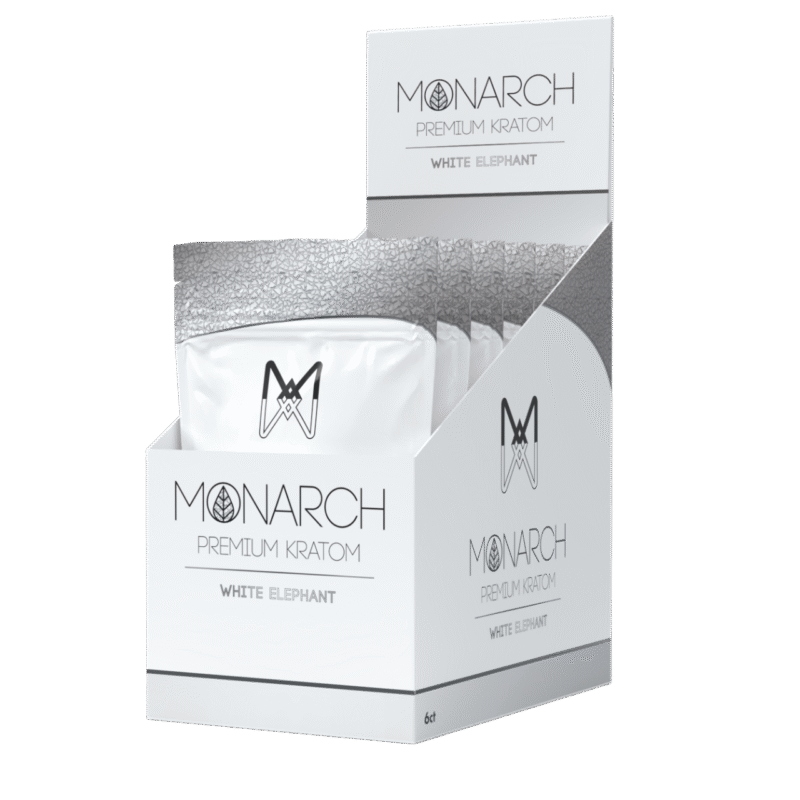 Monarch: White Elephant
$4.99 – $129.99Price range: $4.99 through $129.99
Monarch: White Elephant
$4.99 – $129.99Price range: $4.99 through $129.99
-
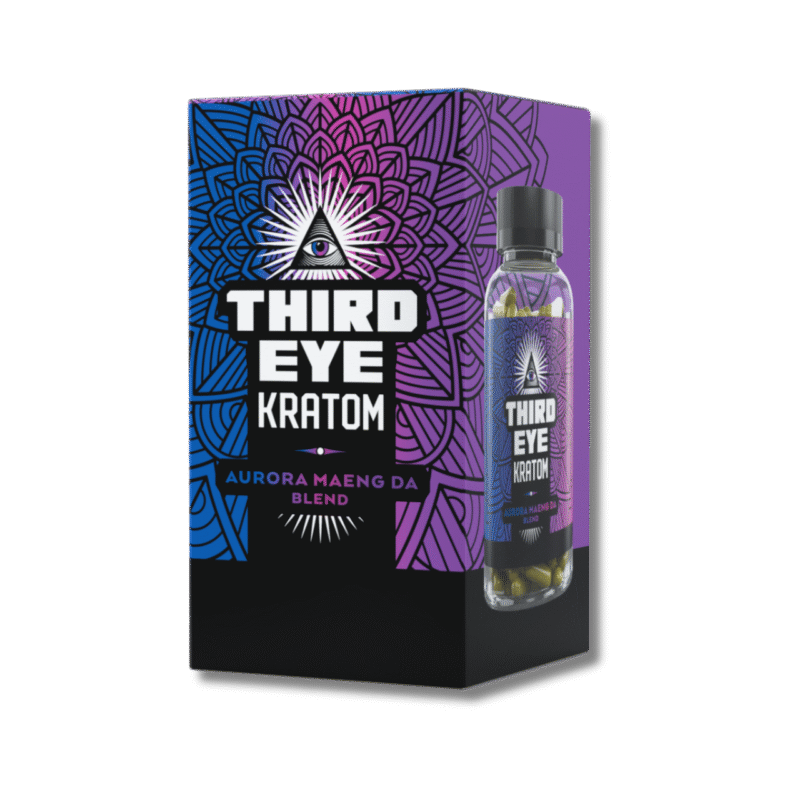 Third Eye: Aurora Maeng Da (Capsules)
$3.99 – $33.99Price range: $3.99 through $33.99
Third Eye: Aurora Maeng Da (Capsules)
$3.99 – $33.99Price range: $3.99 through $33.99
-
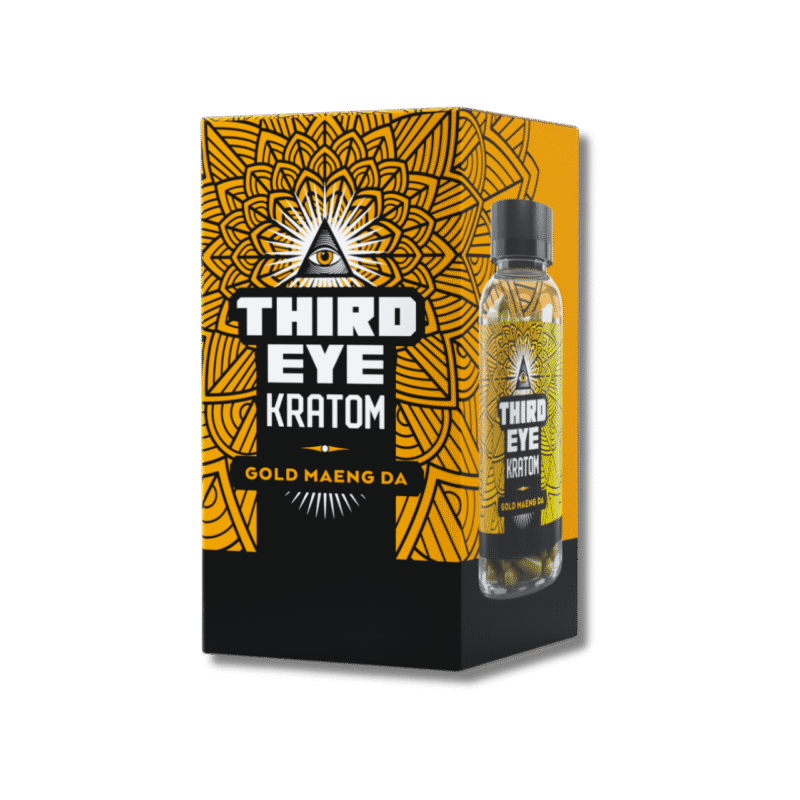 Third Eye: Gold Maeng Da (Capsules)
$3.99 – $33.99Price range: $3.99 through $33.99
Third Eye: Gold Maeng Da (Capsules)
$3.99 – $33.99Price range: $3.99 through $33.99