
Blog
Top 10 Most Asked Questions About Kratom: A Detailed Guide
Kratom (Mitragyna speciosa), a tropical evergreen tree found in Southeast…
Kratom (Mitragyna speciosa), a tropical evergreen tree found in Southeast Asia has received great attention in the world because of its possible medical advantages. The leaves of the Kratom plant have long been chewed or used as tea in countries such as Thailand, Indonesia, and Malaysia in order to promote energy and improve concentration and address physical discomfort. In recent years, Kratom has gained popularity in the Western countries as an alternative natural supplement due to its various effects.
Click To Check Our Latest Kratom Product Collections
Nevertheless, there’s a rise in questions concerning the use of Kratom, its safety, and usefulness as the interest in this substance grows. There are numerous people who want to have credible and well-researched information in order to know how this herb functions, whether it has any beneficial effects, and whether it’s harmful to the human body.
This blog will discuss the top 10 commonly asked questions about Kratom, and will provide a detailed analysis of the effects, dosage, legal status, and safe usage of Kratom.
1. What is Kratom?
Kratom (Mitragyna speciosa) is a tropical tree that is indigenous in Southeast Asia, specifically, the other countries such as Thailand, Malaysia, and Indonesia. Its leaf is used in its alkaloids which react with the receptors of the body to have different effects. Historically, the locals took Kratom to feel more energized, be better focused, and experience less trouble throughout manual work.
2. How Does Kratom Work?
Kratom is an agent that acts upon the opioid receptors in the brain, but is not an opioid. Mitragynine and 7-hydroxymitragynine are the major compounds of Kratom. These alkaloids attach to the receptors, which may affect the body reaction to the discomfort, may improve mood, and may increase energy levels. The effects of Kratom are different based on strain, dose and body chemistry of the person who is taking it.
3. What Are the Different Types of Kratom?
The three main strains of Kratom are generally distinguished which have their specific advantages:
- Red Vein Kratom: Addicts claim that it has calming and relaxing effects so it is usually used to relieve uneasiness or to feel well.
- White Vein Kratom: Provides more stimulating effect, makes one focused and alert, which is regularly desired in order to be productive.
- Green Vein Kratom: A balanced strain that offers moderate energy-boosting effects along with mild mood enhancement.
Effects of each strain may be modified depending on the quantity of consumption and therefore one must consider his or her needs in order to choose on the strain of Kratom.
4. What Are the Common Benefits of Kratom?
While research on Kratom is still evolving, many users report a variety of benefits. Common benefits include:
- Increased energy: White and green vein strains are known to enhance energy and focus.
- Mood enhancement: Red vein Kratom may offer a sense of calm and improve overall mood.
- Enhanced well-being: Kratom has been used to promote a general sense of comfort and relaxation, aiding individuals who experience uneasiness.
- Improved physical performance: Some users report that Kratom helps with physical endurance during intense activity or labor.
5. What Is The Right Dosage For Kratom?
The appropriate Kratom dosage varies depending on the individual, the strain, and the desired effect. Typically, Kratom is consumed in powder form, but it can also be found in capsules, extracts, and teas. The general dosage guidelines are:
- Low dose (1-5 grams): Generally used for increased energy and focus.
- Moderate dose (5-8 grams): Often used for mood enhancement and moderate relaxation.
- High dose (8+ grams): Used for more intense calming effects or to help with physical discomfort.
It’s crucial to start with a low dose and gradually increase as needed to gauge your body’s reaction.
6. Are There Any Side Effects Of Kratom?
Although Kratom is generally considered safe when used in moderation, it can lead to some side effects, especially when taken in large quantities. Some users may experience:
- Mild discomfort or uneasiness if the dosage is too high or if they are sensitive to the alkaloids in Kratom.
- Dry mouth or increased urination in some cases.
- Changes in mood or energy levels, which can be temporary.
To avoid side effects, it’s recommended to stay within the recommended dosage range and consult with a healthcare provider if you have any concerns.
7. Can Kratom Be Addictive?
While Kratom is not considered as addictive as opioids, long-term or excessive use can lead to dependence. This is especially true if Kratom is used regularly to cope with discomfort or uneasiness. Some individuals may experience withdrawal-like symptoms if they suddenly stop using Kratom, though these symptoms are typically milder compared to other substances.
To reduce the risk of dependence, it’s advisable to use Kratom occasionally and not as a daily habit. Moderation is key.
8. Is Kratom Legal?
The legal status of Kratom varies across different countries and even within certain states in the U.S. In some regions, Kratom is fully legal, while in others, it is banned due to concerns about its safety and potential for misuse. Before purchasing or using Kratom, it is essential to research the laws in your area to ensure its legality.
In some places, Kratom has been banned due to concerns over misuse, and in others, it is regulated for use only in specific conditions.
9. How Can I Use Kratom Safely?
To use Kratom safely, follow these guidelines:
- Start with a low dose: Begin with the smallest recommended dose and gradually increase as needed.
- Monitor your body’s response: Pay attention to how your body reacts to Kratom. If you experience any discomfort or adverse effects, reduce the dose or discontinue use.
- Avoid mixing with other substances: Combining Kratom with other drugs or alcohol can increase the risk of adverse effects.
- Use from a reputable source: Ensure you purchase Kratom from a reliable vendor to guarantee its purity and quality.
10. Are There Any Alternatives to Kratom?
If you’re looking for alternatives to Kratom, there are a variety of natural supplements that may provide similar benefits. Some of these include:
- CBD (Cannabidiol): Known for its potential to promote relaxation and comfort.
- Kava: A plant that has traditionally been used for its calming and mood-enhancing effects.
- Turmeric: Known for its potential anti-inflammatory benefits, which may help reduce discomfort.
However, it is essential to consult a healthcare provider before trying alternatives to Kratom, as individual responses may vary.
Conclusion
Kratom is a powerful herb with a variety of potential benefits, but like any supplement, it must be used carefully and responsibly. By understanding the most common questions surrounding Kratom and its effects, you can make informed decisions about whether it’s right for you. Remember to consult with a healthcare professional before incorporating Kratom or any new supplement into your routine to ensure its safe use.
Our Related Blogs
Our Products
-
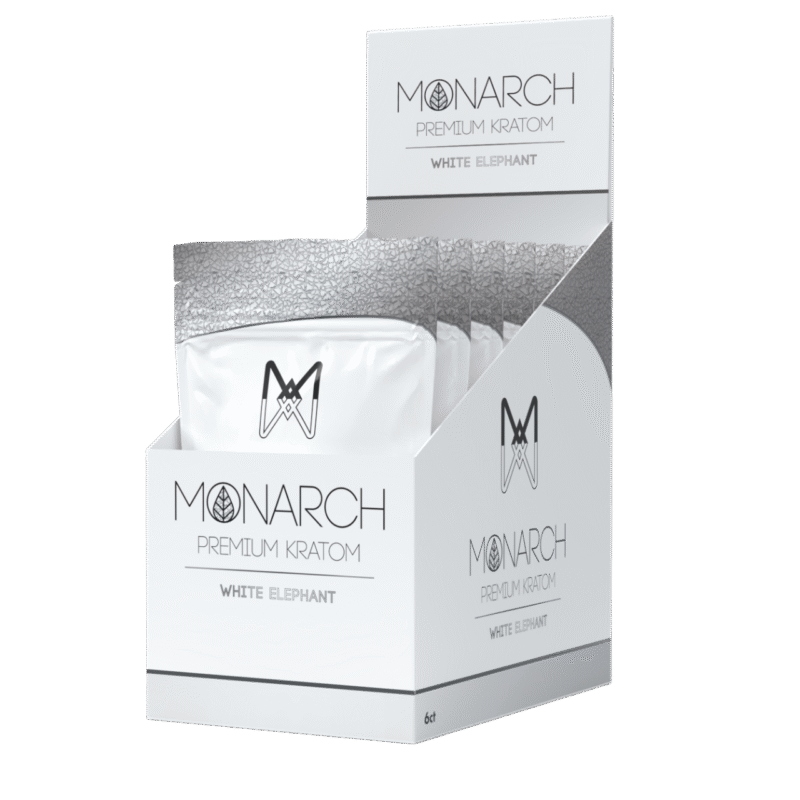 Monarch: White Elephant
$4.99 – $129.99Price range: $4.99 through $129.99
Monarch: White Elephant
$4.99 – $129.99Price range: $4.99 through $129.99
-
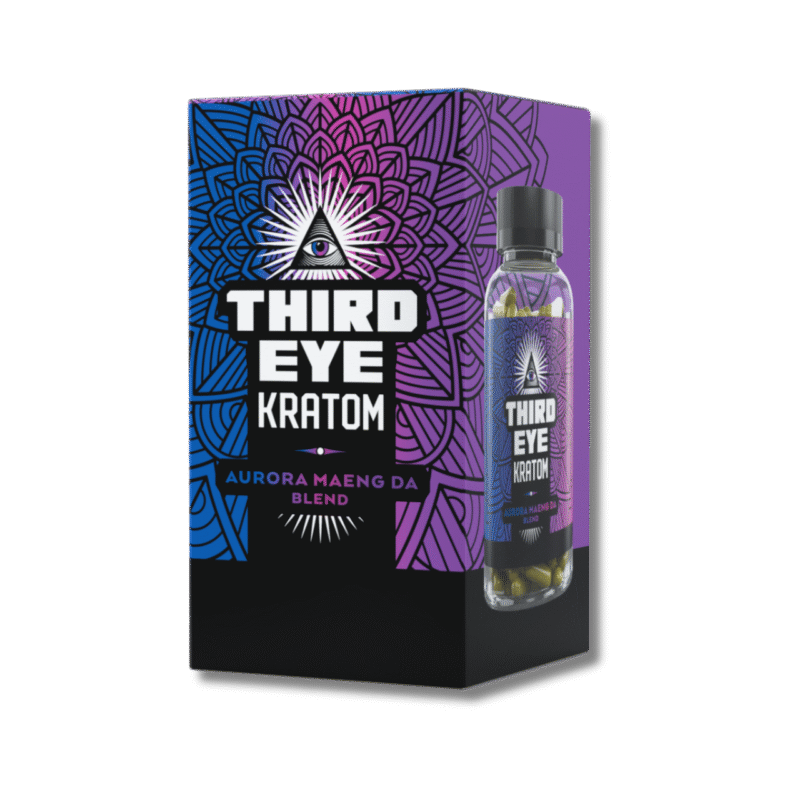 Third Eye: Aurora Maeng Da (Capsules)
$3.99 – $33.99Price range: $3.99 through $33.99
Third Eye: Aurora Maeng Da (Capsules)
$3.99 – $33.99Price range: $3.99 through $33.99
-
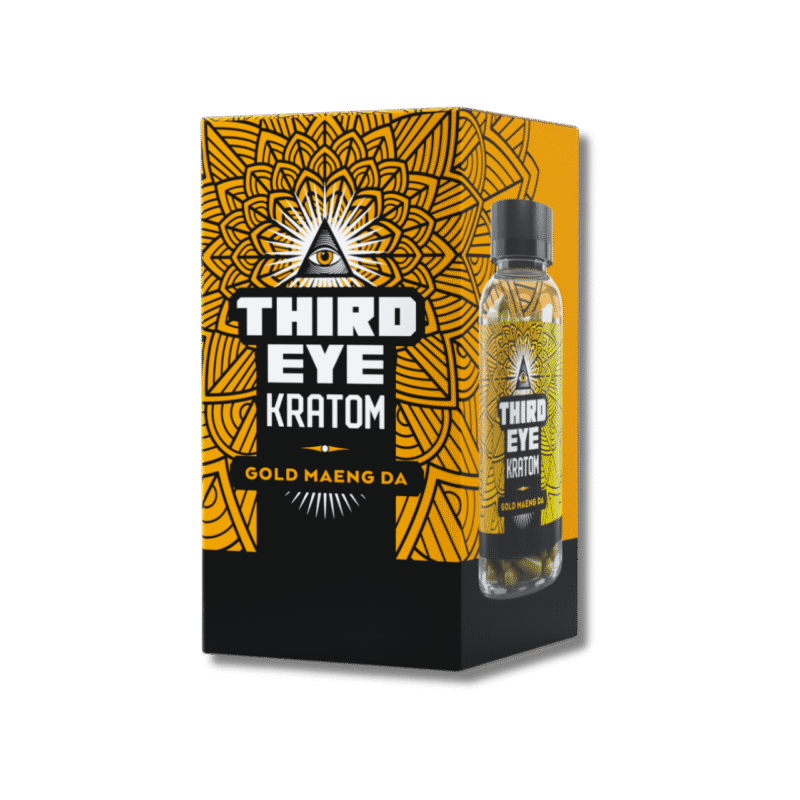 Third Eye: Gold Maeng Da (Capsules)
$3.99 – $33.99Price range: $3.99 through $33.99
Third Eye: Gold Maeng Da (Capsules)
$3.99 – $33.99Price range: $3.99 through $33.99