
Indoor Vs Outdoor Dried Kratom
Read This Kratom Potential Benefits Article! Aspects Indoor Drying Outdoor…
The quality, potency, color, and uniformity of the finished product are all greatly influenced by post-harvest management in the complex process of producing Kratom. Drying is perhaps the most important post-harvest process. The business is dominated by two main techniques: outdoor (sun) drying and indoor drying.
While removing moisture and preserving Kratom leaves is the goal of both techniques, their environments, alkaloid retention, effectiveness, and end properties are very different. Sellers, customers, and fans must comprehend these distinctions.
Why Is Kratom Drying Important?
Healthy Kratom leaves need to be dried after harvesting to:
- Lower the amount of moisture
- Stop the formation of germs and mold
- Alkaloids such as mitragynine should be preserved.
- Get the leaves ready to be ground into a Kratom powder.
Poor shelf life, contamination, or potency loss might result from improper drying.
Drying techniques have a direct impact on:
- Composition of alkaloids
- Color (brown, reddish, and green tones)
- Taste and aroma
- Total quality
Indoor Drying: What Is It?
Freshly picked best Kratom leaves are dried inside in a controlled setting, usually a dark room with fans, dehumidifiers, or heaters.
Spread out on trays or racks, leaves are dried without being exposed to the sun.
Buy NOMS Kratom Seltzer In Bulk – Wholesale Program
The Process Of Indoor Drying
- The leaves are sorted and cleaned.
- Evenly distribute on drying racks
- Fans are used to maintain airflow.
- Humidity and temperature are managed.
- It takes a few days to dry, sometimes up to a week.
Important Features Of Indoor Dried Kratom
1. Improved Alkaloid Preservation
Leaves are shielded from UV rays and extreme heat, which can break down alkaloids, by indoor drying.
- Increased mitragynine retention
- A more uniform chemical profile
2. A More Vivid Shade Of Green
Indoor-dried Kratom usually emerges because oxidation is reduced:
- Bright green
- Fresh-looking
Green Kratom vein and White Kratom vein strains are frequently linked to this.
3. Quality Control
Producers can control:
- Temperature,
- Humidity
- Airflow
As a consequence, batches are uniform, and the effects are predictable.
4. Reduced Risk Of Contamination
Indoor spaces lessen exposure to:
- Insects
- Dust
- The weather
However, if inadequate ventilation is not controlled, mold can still grow.
Benefits Of Drying Indoors
- Better quality assurance
- Enhanced stability of alkaloids
- More sanitary and cleaner
- Results that are consistent between batches
Read This Kratom Potential Benefits Article!
Drawbacks of Drying Indoors
- Increased manufacturing expenses
- Requires knowledge and equipment.
- Slower than drying outside
Outdoor Drying: What Is It?
Kratom leaves are stretched out in the sunshine to dry naturally during outdoor drying, sometimes referred to as sun drying.
This is how Kratom is traditionally made in Southeast Asia.
The Operation Of Outdoor Drying
- Thin layers of leaves are dispersed.
- Sunlight and fresh air exposure
- Turned often to ensure uniform drying
- Depending on the weather, drying takes one to three days.
Important Features Of Outdoor Dried Kratom
1. Quicker Drying Procedure
Because sunlight speeds up the evaporation of moisture, outdoor drying is more efficient and economical.
2. Enhanced Oxidation
Heat and UV light exposure can:
- Modify alkaloids
- Encourage the conversion of compounds
Different impacts and profiles result from this.
3. A darker Hue
Kratom that has been dried outside is common:
- Reddish
- Brown
- Dark green
Oxidation and exposure to sunshine are to blame for this.
4. Natural Microbiological Management
Sunlight aids in death:
- Spores of mold
- Bacteria
It’s self-sanitizing in a way.
Benefits Of Outdoor Drying
- Quicker procedure
- Low price
- Customary and often utilized
- Natural antibacterial advantages
Drawbacks Of Outdoor Drying
- Weather-dependent
- Reduced control over circumstances
- Contamination risk (dust, insects)
- Possible breakdown of alkaloids
Key Distinctions Between Indoor And Outdoor Drying
| Aspects | Indoor Drying | Outdoor Drying |
| Conditions | Controlled | Organic |
| Exposure to sunlight | No | Direct |
| Time spent drying | Delayed | Quicker |
| Expense | Greater | Reduced |
| Alkaloid Stability | More steadily | Changeable |
| Colour | Green | Brown |
| Consistency | Raised | Changeable |
Effects On Alkaloids
The Effects of Kratom are mostly dependent on its alkaloids, particularly:
- 7-hydroxymitragynine
- Mitragynine
Drying techniques have a big impact on these chemicals.
Effects Of Indoor Drying
- Keep the main alkaloids intact
- Preserve the natural chemistry of the plant
- Generates predictable, balanced characteristics.
Effects Of Outdoor Drying
- Heat and UV radiation can break down or change alkaloids.
- Oxidation can alter properties and potency.
- May produce profiles that are less predictable yet more complicated.
Alkaloid levels in plant leaves, including Kratom, can be greatly impacted by drying conditions, according to research.
Function In Strain Types (Red, White, & Green)
Kratom Bedrock strain classification is largely determined by drying.
Drying Indoors: Green & White Strains
- Very little oxidation
- Increased retention of mitragynine
- A paler hue
Drying Outdoors: Red Strains
- Increased fermentation and oxidation
- A darker hue
- Changes in the makeup of alkaloids
Combination Drying
To balance, several manufacturers employ both indoor and outdoor techniques:
- Potency
- Color
- Impacts
Fermentation: A Combination Effect
Before or during drying, some Kratom is fermented.
- Warm, humid environments are used to keep leaves.
- Alkaloids are changed by microbial action
- Frequently used forRed strains
Certain alkaloid derivatives may be increased by this method, altering the whole experience.
What Is The Best Way To Make Kratom?
The “best” approach varies depending on priorities.
Select Indoor-Dried Kratom If You Desire:
- Reliability in quality
- Greater preservation of alkaloids
- More hygienic production
- Vibrant green Kratom powder
Select Outdoor-Dried Kratom If You Desire:
- Conventional processing
- Quicker production
- Alkaloid profiles that could be distinct
- Richer, darker look
Trends In Industry
The direction of modern Kratom manufacturing is changing to:
- Facilities for controlled indoor drying
- Hybrid techniques for drying
- Lab testing and quality control
Nonetheless, conventional outside drying is still often utilized because
- Reduced expenses
- Simplicity
- Cultural customs
Conclusion
Both indoor and outdoor drying techniques greatly influence the ultimate shape of Kratom. The decision between them is based on trade-offs rather than morality.
Better preservation, accuracy, and uniformity are provided by indoor drying.
Outdoor drying offers natural processing, speed, and tradition.
In actuality, a lot of premium Bedrock Kratom products nowadays are made by combining the two approaches and utilizing their respective advantages.
The most important lesson for customers is this:
Knowing the drying process helps you make better, more educated decisions because it has a big impact on the quality, appearance, and effects of Kratom.
FAQs
1. Does Indoor-Dried Kratom Have A Higher Potency?
Alkaloids are often better preserved, although efficacy is still dependent on a number of variables, including processing and leaf maturity.
2. What Makes The Kratom That Has Been Outside Dry Darker?
The color of the leaf is altered by oxidation and sunlight, resulting in reddish or brown tones.
3. Is It Dangerous To Dry Outside?
Not always, however, if improperly handled, there is a greater chance of infection.
Our Related Blogs
Our Products
-
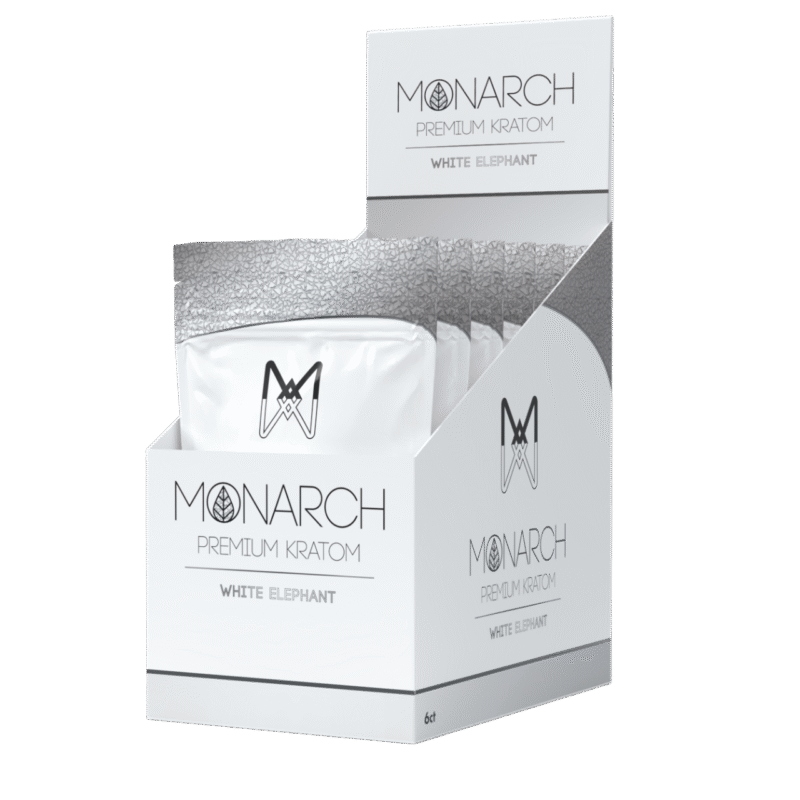 Monarch: White Elephant
$4.99 – $129.99Price range: $4.99 through $129.99
Monarch: White Elephant
$4.99 – $129.99Price range: $4.99 through $129.99
-
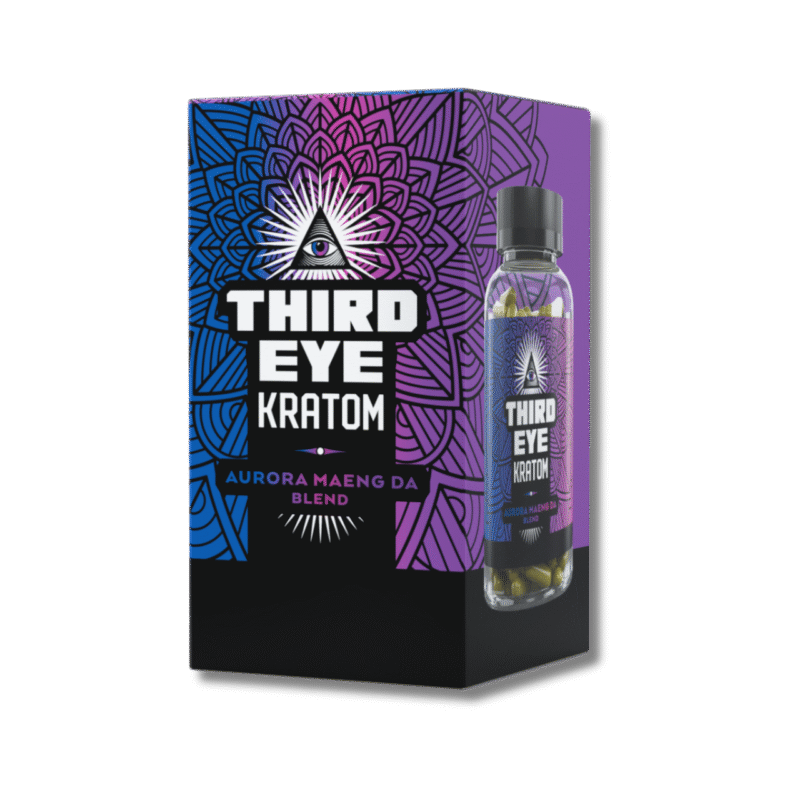 Third Eye: Aurora Maeng Da (Capsules)
$3.99 – $33.99Price range: $3.99 through $33.99
Third Eye: Aurora Maeng Da (Capsules)
$3.99 – $33.99Price range: $3.99 through $33.99
-
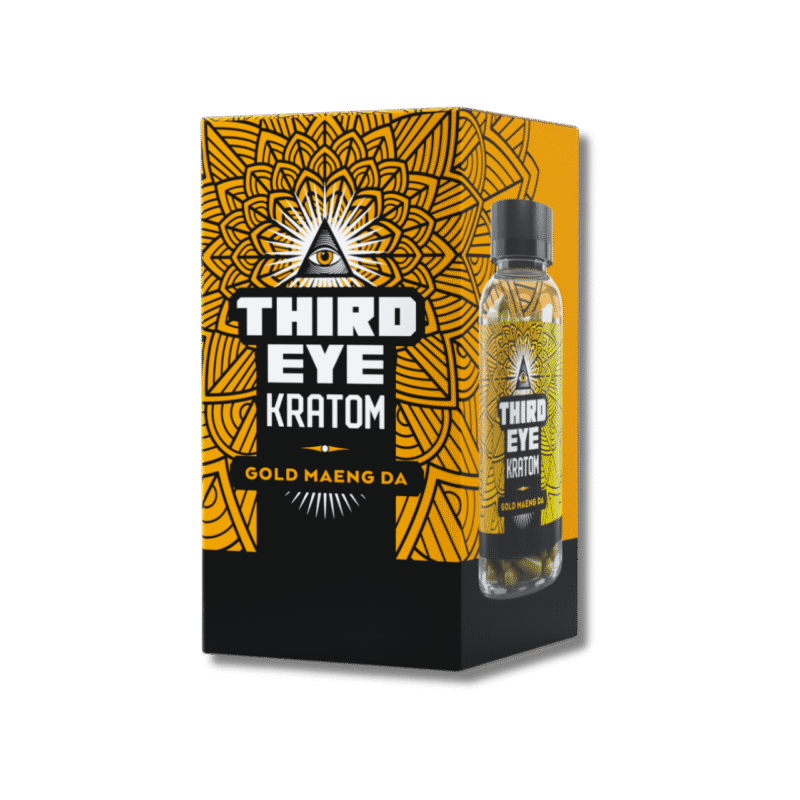 Third Eye: Gold Maeng Da (Capsules)
$3.99 – $33.99Price range: $3.99 through $33.99
Third Eye: Gold Maeng Da (Capsules)
$3.99 – $33.99Price range: $3.99 through $33.99