
Fermented Vs Non-Fermented Kratom
Features Fermented Kratom Non-Fermented Kratom Processing Fermented in wet bags …
Many consumers are still unaware of the distinctions between fermented and non-fermented Kratom, even though it has emerged as one of the most talked-about Bedrcok botanical products in recent years. You’ve already experienced the effects of processing techniques, particularly fermentation, if you’ve ever heard of phrases like Bentuangie, chocolate Kratom, or green vein Kratom.
Everything you need to know about fermentation will be covered in this book, including how it impacts potency, effects, flavor, and overall experience.
Kratom: What Is It?
The leaves of the Southeast Asian tree Mitragyna speciosa are used to make Kratom. The active substances found in these leaves, known as alkaloids, are what give Kratom its effects.
Among the most significant alkaloids are:
- 7-hydroxymitragynine
- Mitragynine
The way the leaves are treated after harvesting has a significant impact on how these alkaloids behave, and fermentation plays a key role in this.
Kratom leaves that have undergone a controlled breakdown process employing heat, moisture, and natural bacteria are referred to as fermented Kratom.
In The Course Of Fermentation:
- Bags or enclosed spaces are used to store leaves.
- Biochemical reactions are triggered by heat and moisture.
- Alkaloids undergo changes or transformations
Before the leaves are dried and processed into Kratom powder, this procedure usually takes 24 to 72 hours.
Buy NOMS Kratom Seltzer In Bulk – Wholesale Program
Important Features Of Fermented Kratom
- Reddish or dark brown in hue
- Strong, earthy scent
- Smoother flavor (some people find it less bitter)
- More soothing and tranquil effects
The chemical structure of the plant is altered by fermentation, which facilitates the body’s absorption of chemicals and occasionally modifies their potency.
Non-Fermented Kratom: What Is It?
The fermentation process is completely avoided with non-fermented Kratom, often known as raw or unfermented Kratom.
Rather than:
- The leaves are picked.
- Dried right away (either indoors or outdoors)
- Crushed into a powder
This doesn’t significantly alter the plant’s natural alkaloid composition.
Important Features Of Non-Fermented Kratom
- Vibrant green hue
- Fresh, herbal scent
- A stronger, more bitter flavor
- More balanced or stimulating effects
Non-fermented Kratom is frequently chosen for energy and concentration since the alkaloids stay closer to their original condition.
How Kratom Is Modified By Fermentation
Chemical transformation is the primary distinction between fermented and non-fermented Kratom.
1. Modifications To The Alkaloid Profile
The ratio of alkaloids is changed by fermentation:
- Certain stimulating substances diminish
- More calming substances take over.
- During the process, new alkaloids might develop.
For instance, fermentation can change the way Kratom feels in the body by transforming certain chemicals into stronger or more sedative forms.
2. Enhanced Absorption
Plant material is broken down by fermentation, which facilitates better digestion.
This implies:
- Quicker bodily absorption
- Possibly more seamless onset
- Reduced digestive discomfort
When compared to raw Kratom, fermented Kratom is frequently said to be more bioavailable.
3. Shift In Effect Profile
The way the effects feel is one of the most obvious variations.
- Fermented Kratom: Soothing, sedative, and calming
- Non-fermented Kratom: Energetic, balanced, and stimulating
Fermentation, according to some consumers, produces a more “rounded” experience with fewer dramatic peaks.
Important Distinctions: Fermented And Non-Fermented Kratom
Here’s a direct comparison:
| Features | Fermented Kratom | Non-Fermented Kratom |
| Processing | Fermented in wet bags | Dried quickly |
| Colour | Red or dark brown | Dark green |
| Taste | Softer, more earthy | Bitter, powerful |
| Influence | Soothing and calming | Energizing and invigorating |
| Alkaloids | Modified or changed | Organic profile |
| Absorption | Quicker and smoother | Typical |
| Common Types | Chocolate and Bentuangie | White, green, with a little red |
Common Fermented Kratom Types
1. Kratom Bentuangie
- Origin: Indonesia
- Completely fermented
- Strongly relaxed
2. Kratom Chocolate
- The hue is dark brown.
- Prolonged fermentation procedure
- Frequently advertised as extremely powerful
These types are well known for their tranquil and soothing properties.
Common Non-Fermented Kratom Types
1. Kratom From Green Veins
- Equilibrium effects
- Relaxation and mild Kratom for energy
2. White Vein Kratom
- High vitality
- Concentration and awareness
3. A few red vein Kratom
- Red vein Kratom isn’t always fermented.
- Many are just sun-dried.
Benefits And Drawbacks Of Fermented Kratom
Benefits
- Smoother, more calming effects
- Easier absorption and digestion
- Less bitterness
- Better in the evening
Drawbacks
- Less exciting
- Some users may feel weaker
- Inconsistent processing techniques
- Potential for subpar fermentation
Benefits And Drawbacks Of Non-Fermented Kratom
Benefits
- Increased vigor and concentration
- A more robust natural alkaloid profile
- A wider range of effects
- Consistent quality
Drawbacks
- Taste more bitter
- May be rough for novices
- High dosages may make you jittery
Which One Is Best for You?
Depending on your objectives, you can choose between fermented Kratom effects and non-fermented Kratom effects.
Select Fermented Kratom If You Desire:
- Relaxation or alleviation of discomfort
- Improved assistance with sleep
- A friendlier, more seamless encounter
Select Non-Fermented Kratom If You Desire:
- Focus and vigor
- Increased productivity
- Faster and more potent effects
Which Is Better?
There isn’t a single “better” choice.
Rather, consider it this way:
- Calm and slow with fermented Kratom
- Non-fermented Kratom: quick and active
Each has a distinct function, and depending on the circumstance, many users really prefer to maintain both sorts.
Quality And Safety Considerations
Although fermentation is a natural process, it needs to be carried out properly.
Possible Dangers:
- Contamination may result from improper fermentation.
- Insufficient industry standardization
- Differences between batches
There are no strong international guidelines for fermenting techniques since Kratom production varies greatly between areas.
Safety Advice:
- Purchase from reliable suppliers
- Look for items that have undergone lab testing.
- Steer clear of things that are abnormally inexpensive or inadequately labeled.
Conclusion
There are distinct advantages to both fermented and non-fermented Kratom, but neither is always better. Fermented Kratom is particularly notable for its improved absorption and softer, relaxing effects, which make it perfect for evening usage and relaxation.
Non-fermented Kratom, on the other hand, offers a more organic and stimulating experience that is more appropriate for attention, energy, and productivity during the day. In the end, your unique objectives, tolerance, and body’s reaction will determine which option is ideal for you; many seasoned users find benefit in employing both types for different circumstances.
FAQ’s
1. Is Fermented Or Non-Fermented Kratom More Potent?
“Strength” varies depending on your definition:
- The soothing and relaxing properties of fermented Kratom are frequently more potent.
- The energy, attention, and stimulation of non-fermented Kratom are often higher.
2. Does Fermentation Alter The Effects Of Kratom?
Indeed, fermentation modifies the makeup of alkaloids. This usually results in a smoother, less frenetic experience by reducing stimulating ingredients and enhancing soothing effects.
3. Which Kind Is Most Suitable For Novices?
Non-fermented Kratom, particularly Kratom Bedrock green strains, is preferred by many novices due to its balanced effects, which are neither too stimulating nor sedative. Personal tolerance, however, is crucial.
4. Is There A Flavor Difference Between Fermented And Non-Fermented Kratom?
Indeed, non-fermented Kratom may taste harsher and sharper, but fermented Kratom frequently has a softer, smoother, and somewhat earthy flavor.
Our Related Blogs
Our Products
-
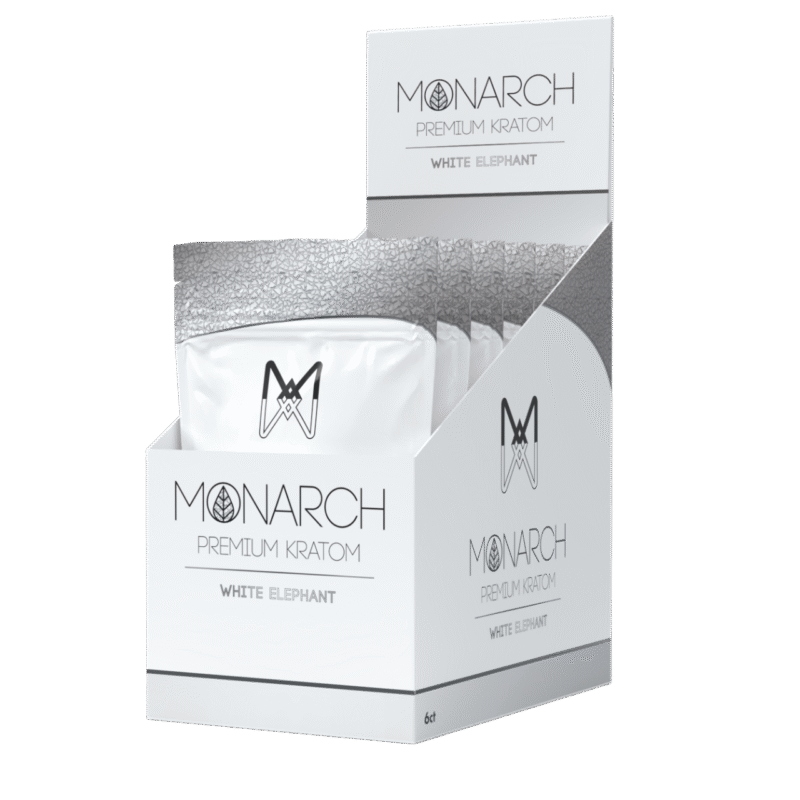 Monarch: White Elephant
$4.99 – $129.99Price range: $4.99 through $129.99
Monarch: White Elephant
$4.99 – $129.99Price range: $4.99 through $129.99
-
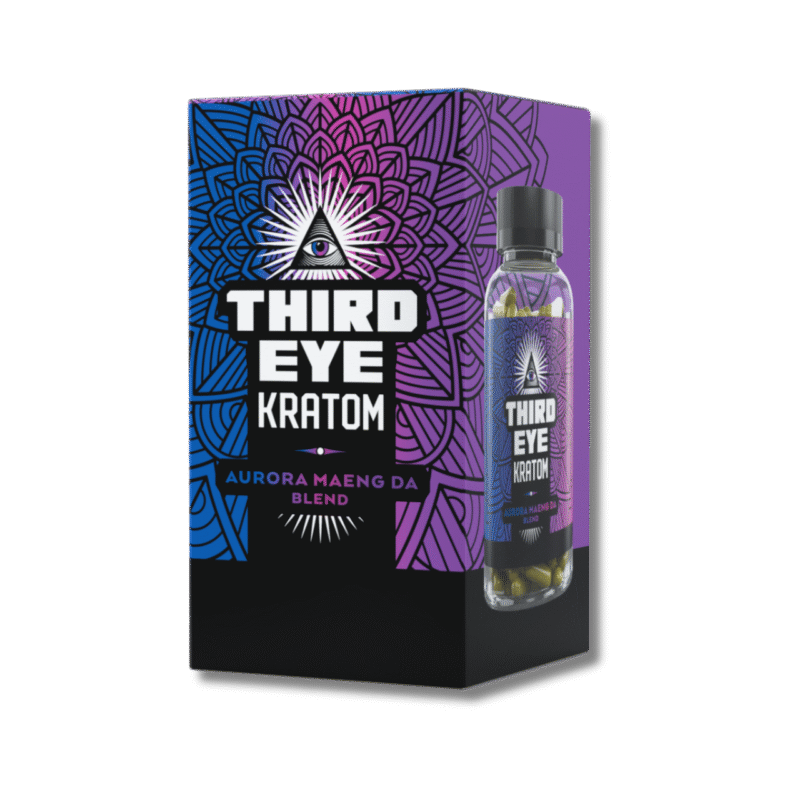 Third Eye: Aurora Maeng Da (Capsules)
$3.99 – $33.99Price range: $3.99 through $33.99
Third Eye: Aurora Maeng Da (Capsules)
$3.99 – $33.99Price range: $3.99 through $33.99
-
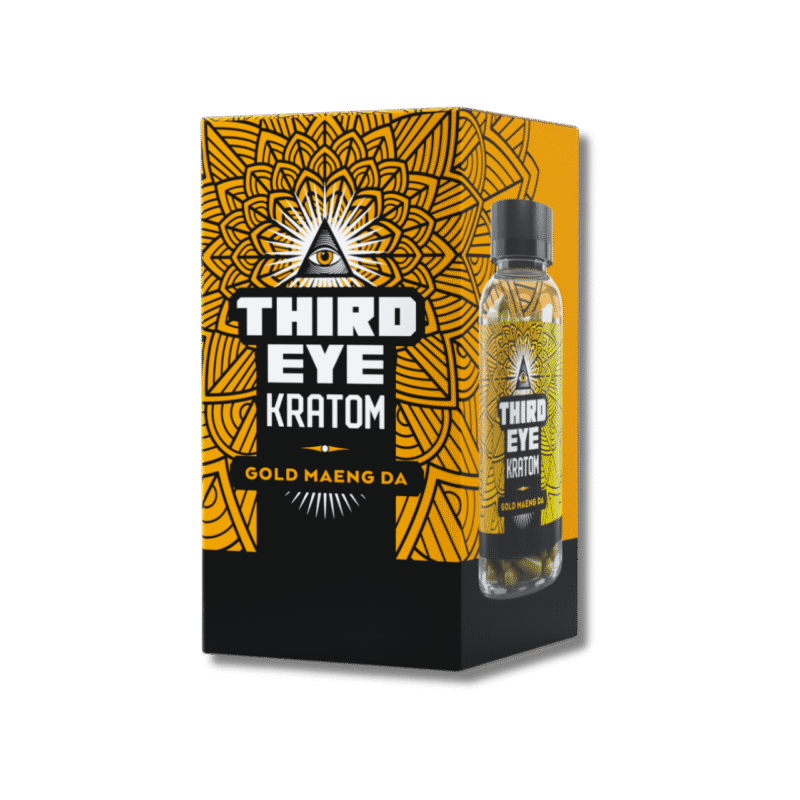 Third Eye: Gold Maeng Da (Capsules)
$3.99 – $33.99Price range: $3.99 through $33.99
Third Eye: Gold Maeng Da (Capsules)
$3.99 – $33.99Price range: $3.99 through $33.99