
Blog
Is Kratom An Opioid? The Truth Explained
Kratom has emerged as one of the most talked-about natural remedies in the wellness community in recent years. Because of the way it affects the body, some relate it to opioids, while others characterize it as a natural herb that has long been used in Southeast Asia. This has caused a great deal of uncertainty on the internet.
One of the most often asked queries is straightforward but crucial:
The solution is not quite clear-cut. Unlike morphine, heroin, or oxycodone, Kratom is not categorized as a conventional opioid. Nonetheless, some of the chemicals found in Kratom do interact with some of the same brain receptors as opioids do. This is precisely the reason why researchers, medical experts, legislators, and consumers are still debating Kratom.
It’s critical to go beyond social media opinions and headlines in order to fully comprehend the facts. This page describes what Kratom is, how it functions, why some people equate it to opioids, the main distinctions between the two, and the dangers users should be aware of before taking it.
Kratom: What Is It?
A tropical tree indigenous to Southeast Asia, especially Thailand, Indonesia, and Malaysia, is the source of Kratom. Local communities and laborers have historically utilized the leaves for generations.
Kratom is now offered for sale in a variety of forms, such as:
Alkaloids are naturally occurring substances found in plants. The two alkaloids that are most spoken about are:
- The mitragynine
- 7-hydroxymitragynine
Many of the effects of Kratom that have been documented are caused by these chemicals.
Depending on how much is consumed, some users express emotions like:
- An increase in energy
- A happier mood
- Unwinding
- Momentary alleviation of agony
- Calmness
- Sedation in greater quantities
Kratom has proven hard to cleanly classify due to the huge range of experiences.
Why Are Kratom And Opioids Compared?
Because some of its alkaloids interact with opioid receptors in the brain, Kratom is primarily likened to opioids.
Opioid receptors aid in the regulation of things like:
- Perception of discomfort
- Relaxation
- Sedation
- Mood Reward
Conventional opioids, such as morphine and fentanyl, have potent analgesic and euphoric effects because they robustly activate these receptors.
Although the alkaloids in Kratom also interact with these receptors, their effects are often far less potent than those of prescription opioids.
Because of these similarities, many specialists refer to Kratom as “opioid-like” rather than classifying it as a traditional opioid.
Does Kratom Qualify As An Opioid?
Kratom is not regarded by scientists as a conventional opioid substance.
Conventional opioids are often either synthetic medications that imitate the opium poppy plant or chemicals that are directly produced from it.
Examples consist of:
- Heroin
- Morphine
- Codeine
- Oxycodone
- Hydrocodone
- Fentanyl
The opium poppy plant is not the source of Bedrock Kratom. It is a member of an entirely separate family of plants.
However, several studies classify Kratom as an “atypical opioid” or an “opioid receptor agonist” due to its interaction with opioid receptors.
That distinction is important.
Kratom is not risk-free just because it differs chemically from heroin or prescription opiates. However, treating Kratom in the same way as potent narcotic opioids may oversimplify the problem.
In the middle is where the truth is found.
The Differences Between Kratom And Conventional Opioids
The fact that many users experience effects that seem substantially different from other opioids is one reason Kratom is still contentious.
Lower dosages of Kratom are frequently linked to:
- Moderate stimulation
- Productivity
- Motivation
- Alertness
- Social vigor
Conventional opioids often don’t have the same stimulant-like effects.
Increased Kratom use is more frequently associated with:
- Calmness
- Relaxation
- Drowsiness
- Sedation
Compared to many conventional opioids, Kratom is unique due to its dual nature.
Buy NOMS Kratom Seltzer In Bulk – Wholesale Program
However, experiences differ greatly based on:
- Strength of product
- Chemistry of the body
- Use frequency, tolerance, and hydration
- Get some rest
- General health
Why There Is Such A Heated Debate About Kratom
The discourse surrounding Kratom has grown quite polarized.
For some, Kratom is:
- An organic botanical product
- A plant for wellbeing
- An age-old plant treatment
Some perceive it as:
- Possibly addictive
- Inadequately controlled
- Dangerous when abused
- Comparable to opioids in significant aspects
Compared to pharmaceutical medications, there is currently a dearth of studies on Kratom, which contributes to the issue.
Researchers are still investigating:
- Long-term security
- Risks of dependence
- Impacts on mental wellness
- Drug interactions
- Effects on cognition and sleep
Even among the medical profession, opinions are still mixed due to continuing study.
Is Kratom Addictive?
One of the main issues raised by specialists is this.
Over time, some frequent users claim to develop tolerance, which means they require higher doses to have comparable results. Others report experiencing symptoms similar to dependency with repeated usage.
Symptoms of withdrawal that have been reported include:
- Anger
- Fatigue and restlessness
- Issues with sleep
- Fear
- Variations in mood
- Physical discomfort
Individual differences in severity seem to be significant.
Although some users argue that Kratom is less potent than conventional opioids, dependency is nevertheless possible.
Click To Read More Topics From Our Blog!
Is Kratom Safer Than Opioids?
It is challenging to provide a definite response to this blog post.
Because Kratom affects the respiratory system differently at regular doses, some researchers think it may have a reduced overdose risk than strong opioids like fentanyl.
But “lower risk” does not equate to “safe.”
The following are possible issues associated with Kratom use:
- Reliance
- Constipation
- Lightheadedness
- Elevated heart rate
- Dehydration
- Disturbed sleep
- Contaminated products
Product inconsistency is one of the main problems.
The quality and purity of Kratom Bedrock products might differ greatly among merchants because they are not all subject to the same regulations.
Certain products could include:
- Pollutants
- Heavy metals
- False labels
- Other substances
Health problems are heightened by this uncertainty.
Why Some Individuals Support Kratom
Kratom nevertheless has a sizable and vocal user base despite the concerns.
Many people claim that they like Kratom because they believe it to be:
- More controllable than potent opioids
- Plant-based
- Less sedative in smaller doses
- More easily integrated into everyday activities
On the internet, some people also talk about taking Kratom while attempting to stay away from more potent narcotics. Personal accounts, however, should not be mistaken for medical advice or scientific data.
What is effective for one individual could cause major issues for another.
The Value Of Conscientious Conversation
One issue with Kratom talk on the internet is that they frequently get heated.
According to several sources, Kratom is entirely safe. Some say it’s the same as harmful drugs.
The whole narrative is not revealed by either extreme.
Kratom is a sophisticated plant that has actual pharmacological properties. In addition to not being a harmless tea, it differs chemically from heroin and pharmaceutical opioids.
It’s critical to comprehend subtlety.
Instead of unrealistic marketing promises or fear-based exaggeration, people should be given genuine facts.
Why Education Is More Important Than Hype
Although Kratom is now more available because of the internet, it is not always well understood.
Many customers initially become aware of it through:
- Social media
- Influencers
- Online forums
- Marketing websites
- Word of mouth
Sadly, these sites don’t always offer reliable or impartial medical information.
People who are educated make safer judgments, which is why education is important.
Instead of depending on misconceptions or fear, users may approach Kratom more responsibly by being aware of both the potential effects and hazards.
Conclusion
Is Kratom an opioid, then?
Not quite, but it’s also not entirely unconnected to opioids.
Although Kratom originates from a different plant family than conventional opioids, some of its active ingredients interact with the brain’s opioid receptors. For this reason, rather than clearly classifying it into a single group, many specialists characterize it as opioid-like or unusual.
The reality is more complex than straightforward affirmatives or negatives.
At lesser doses, Kratom may have stimulant-like effects; at greater doses, it may have more sedative effects. While some have pleasant experiences, others describe side effects, undesirable responses, or dependence issues.
Caution and education are still crucial because research is still in its early stages.
The most crucial thing that customers can do is steer clear of hype, be honest about the hazards, and make educated choices instead of depending just on online trends or subjective viewpoints.
The truth of Kratom may be reached in comprehending the whole picture rather than in extremes.
Our Related Blogs
Our Products
-
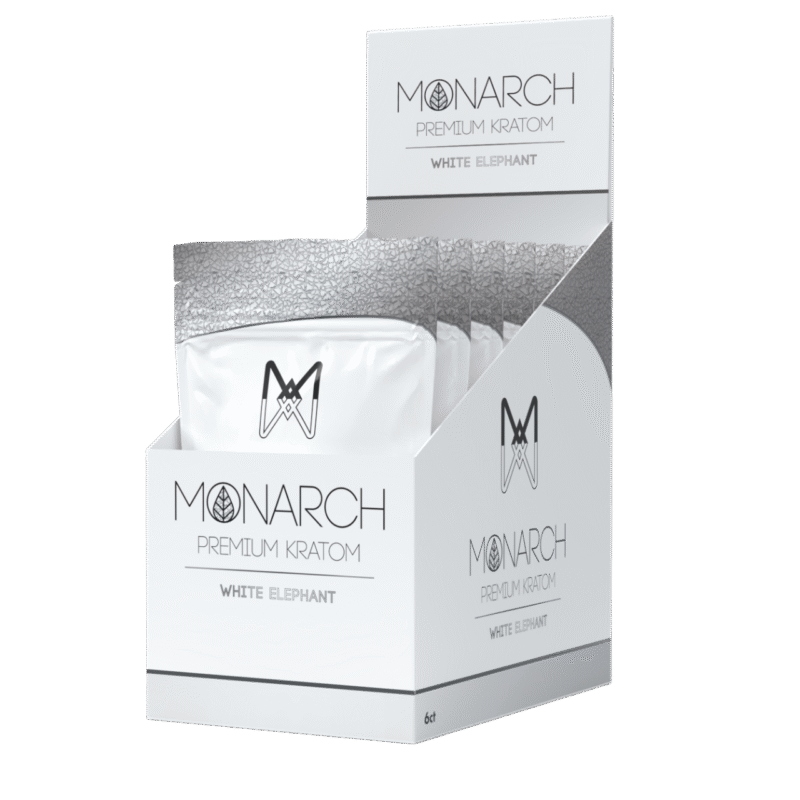 Monarch: White Elephant
$4.99 – $129.99Price range: $4.99 through $129.99
Monarch: White Elephant
$4.99 – $129.99Price range: $4.99 through $129.99
-
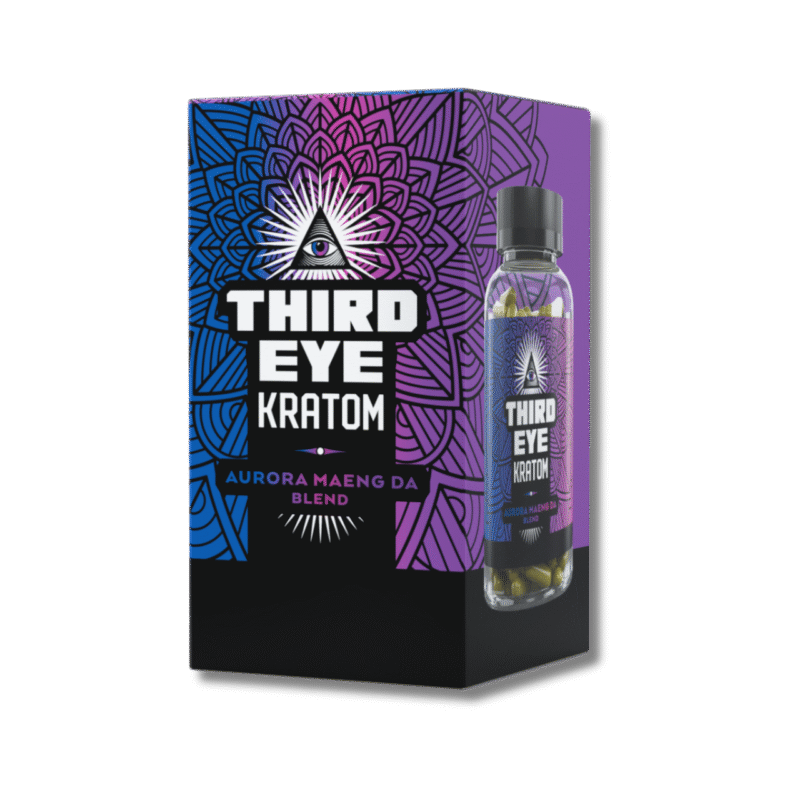 Third Eye: Aurora Maeng Da (Capsules)
$3.99 – $33.99Price range: $3.99 through $33.99
Third Eye: Aurora Maeng Da (Capsules)
$3.99 – $33.99Price range: $3.99 through $33.99
-
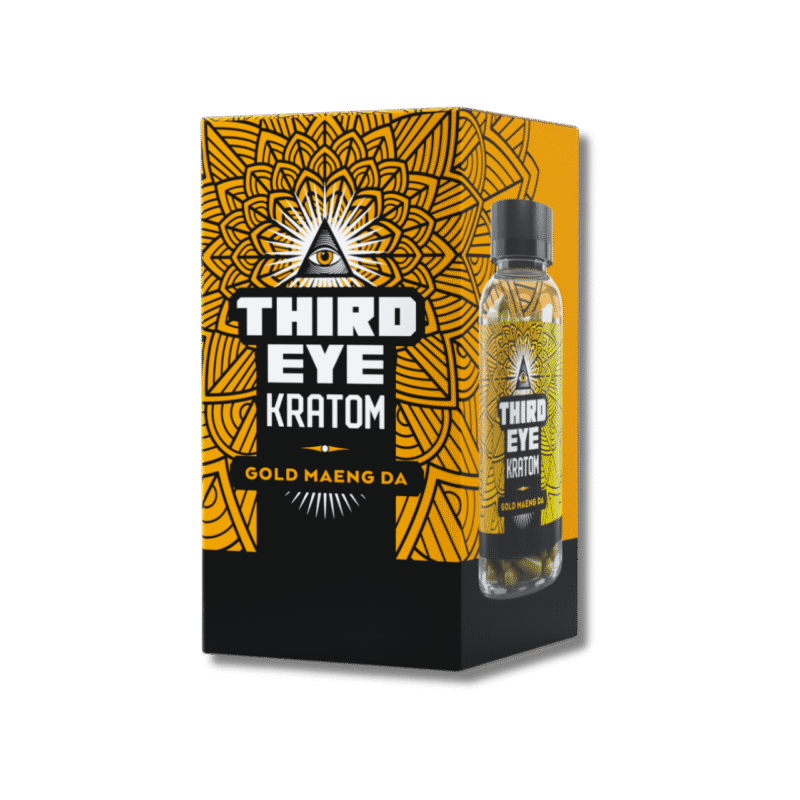 Third Eye: Gold Maeng Da (Capsules)
$3.99 – $33.99Price range: $3.99 through $33.99
Third Eye: Gold Maeng Da (Capsules)
$3.99 – $33.99Price range: $3.99 through $33.99