

Blog

Botanical Innovation: New Extraction Technologies In 2025

Essential oils, Nutritional supplements, flavors, perfumes, medicines, and cosmetic actives are among the value-added best products that consumers and businesses use. Botanical extraction serves as the link between raw plant biomass and these products. By 2025, there will be a noticeable change from energy-inefficient, solvent-heavy processes to safer, greener, and more selective ones. Tighter regulations, consumer demand for “clean” components, increased equipment investment, and a surge in research integrating physical, enzymatic, and process-intensification techniques are the main drivers of this shift. According to recent assessments, the industry is focusing on a toolbox of scalable green methods rather than a single magic bullet. These complementary technologies are selected based on the feedstock and target compound.
Unlock Exclusive Deals — Join Our Wholesale Program Now!
The Contemporary Toolset (What Will Be Popular In 2025)
1. The Industrial Champion For Lipophiles Is Supercritical CO2 Extraction (scCO2).
For lipophilic compounds (many essential oils, waxes, cannabinoids, and carotenoids), scCO₂ is still the preferred method. Its advantages include being solvent-free (CO2 is inert and leaves no hazardous residue), having a solvating power that can be adjusted by temperature and pressure, and subjecting thermolabile compounds to very mild thermal discomfort. Due to these advantages, scCO₂ systems are in high demand and account for a significant portion of capital equipment expenditures in botanical extraction industries. In 2025, expectations and investment in scCO₂ are still rising, but discussions concerning equipment sourcing, tariffs, and total cost of ownership while scaling are also growing.
Practical Note: Although scCO₂ is great for high-value, solvent-sensitive extracts, smaller manufacturers still face obstacles due to capital expenditures and operational expertise.
2. Accelerated Solvent Extraction (ASE) And Pressurized Liquid Extraction (PLE)
PLE accelerates mass transfer and reduces solvent consumption by using a polar or semi-polar solvent at high pressure and temperature. It works well when mild polarity is needed (polyphenols, glycosides), is quick, and may be automated. According to recent optimization studies, yields from lignified or recalcitrant matrices are improved when PLE is combined with enzymatic pretreatment.
MDPI
3. Ultrasound-Assisted Extraction (UAE): Inexpensive, Adaptable, And Expandable
UAE breaks down cell barriers and speeds up mass transport by sonic cavitation. It is frequently used since it requires little equipment, uses little energy on a small to medium scale, and works with aqueous or low-toxicity solvents. Reviews from 2023 to 2025 affirm the UAE’s benefits for phenolics and flavonoids and highlight its combination usage with other technologies to balance selectivity and throughput.
4. Extraction With Microwave Assistance (MAE)
By quickly heating polar solvents or moisture in plant tissues, MAE increases extraction rates. MAE works well with polar chemicals and can be used in hybrid systems or for quick lab-scale processing. For certain wastes rich in essential oils, MAE can significantly reduce extraction time and energy consumption when compared to traditional distillation, according to recent comparative research.
SpringerLink
5. Unlocking The Cell Wall By Enzyme-Assisted Extraction (EAE)
EAE uses cellulases, pectinases, and hemicellulases—enzymes that break down cell walls—to release contained phytochemicals and relax the structure of biomass. According to optimization experiments conducted in 2025, EAE followed by PLE or scCO₂ allows for softer downstream conditions while producing larger yields of phenolics and other active ingredients. Fruit pomaces and lignocellulosic residues are particularly effective for enzymes.
6. Electrotechnologies Such As Pulsed Electric Field (PEF)
PEF improves solvent penetration by electroporating cell membranes to produce temporary holes. It has been applied as a non-thermal pretreatment to increase the yields of aromatic extracts, juice, and olive oil. When compared to heat-based techniques, PEF is appealing since it uses less energy and maintains thermosensitive chemicals.
The Major Focus For 2025 Will Be Hybrid And Intensified Processes.
The field is moving toward hybrid sequences: enzymatic pretreatment → PEF or UAE → targeted extraction (PLE or scCO₂) → selective downstream purification, rather than switching from one “best” method to another. With less solvent use and shorter cycle periods, hybrid systems frequently provide better yield and purity. Reviews from 2025 highlight process integration and hybridization as the primary means of making green solutions commercially viable.
Workflow Examples:
- Pomace phenolic recovery: EAE → PLE (water/ethanol) → membrane filtering.
- Floral essential oil: UAE pretreatment → terpene-tuned scCO₂ → fractionation.
Sustainability And “Green” Metrics: More Than Simply Advertising
Changing solvents is not the sole aspect of green extraction. Today’s industry measures:
- E-factor (kg of waste per kilogram of product)
- Energy per kilogram of extract
- Recyclability and toxicity of solvents
- Water footprint
- Life-cycle emissions of CO2
Peer-reviewed research emphasizes that when correctly adjusted, UAE, MAE, PLE, and scCO₂ can lower energy consumption and solvent usage; however, actual sustainability depends on feedstock logistics, solvent recovery loops, and process scale. In actuality, this implies that corporate sustainability claims are becoming more and more dependent on life-cycle assessment (LCA).
The Market And Economic Environment In 2025
According to market forecasts from 2024 to 2025, scCO₂ systems and botanical extraction equipment are expected to develop at a double-digit CAGR in some sectors (such as scCO₂ extractors). However, adoption time is impacted by financial limitations, regulatory complexity, and supply-chain interruptions (including tariff/parts difficulties mentioned in 2025), especially for smaller businesses. In summary, adoption is still deliberate and gradual, but investment and demand are rising.
Advances In Quality, Analysis, And Regulation
Quality control standards are evolving together with extraction technology:
- Improved analytics (LC-MS/MS, GC×GC, NMR, and chemometrics) provide process repeatability verification and traceable fingerprints of extracts.
- Brands and regulators are calling for COAs (Certificates of Analysis) to be standardized and for solvent use and residuals to be transparent.
- Higher-value fractions (such as standardized polyphenol fractions for nutraceuticals) are made possible by focused extraction combined with targeted analytics.
Case Studies And Real-World Examples (What Businesses And Researchers Are Exhibiting In 2025)
High-Value Cosmetics: Firms driven by scCO₂ assert that their extracts are odor-stable, purer, and have less solvent residues, making them a premium product pathway for natural cosmetics.
Food Waste Valorization: By recovering antioxidants from fruit pomace using enzymes and PLE processes, circular-economy popular products supported by peer-reviewed optimization studies are made possible.
Small-Scale Scaling: Because UAE and MAE machines are flexible and have cheap capital costs, craft extractors are using them. Researchers are now publishing scale-up guidelines and criteria to maintain compound profiles.
Jong Kong Kratom: Complete Guide & Key Insights
Conclusion
Best Botanical extraction evolved from “lab curiosity” to a useful, hybrid, and sustainable production in 2025. Every use case is not dominated by a single approach. Instead, in order to balance yield, purity, cost, and sustainability, manufacturers mix enzymatic, physical (ultrasound, microwave, PEF), and solvent techniques (PLE, scCO₂). Research and market momentum both indicate that growth will continue, but wise implementation calls for thorough pilot testing, analytics, and life-cycle planning prior to significant capital expenditures. Plan for hybrid processes, invest in analytics, and include life cycle assessment (LCA) into your ROI if your business wants “clean,” “green,” and scalable extracts by 2025.

Seasonal Botanicals: Kratom Use Across Summer, Winter & Weather Effects
People have been fascinated by the plant known as Kratom (Mitragyna speciosa) not just for its many benefits but also for how those effects change with the seasons. Although most people only think about Kratom in terms of strain and dose, environmental elements like humidity, temperature, and even the seasonal rhythm of the human body may affect how Kratom feels and works.
We’ll talk about the ideal strains for summer and winter, how the weather may affect Kratom storage and experience, and how seasonal variations affect Kratom usage in this post.
Tap To Access Wholesale Savings Today!
1. Recognizing Kratom’s Seasonal Impact
Like other plant-based drugs, Kratom is a natural botanical whose effects are strongly influenced by the surrounding environment. Kratom’s behavior is influenced by both the consumer’s climate and the plant’s original growth environment.
1.1 Tropical Climates Are The Origin Of Kratom
Southeast Asia’s hot, humid regions—primarily Indonesia, Thailand, and Malaysia—are home to Kratom trees. There are very slight differences between the dry and wet seasons in these regions’ steady tropical climate. Environmental factors, including temperature, humidity, and air quality, may affect the chemistry and shelf life of Kratom during transport to cold or temperate climates.
1.2 The Seasonal Reaction Of Your Body
Additionally, the human body responds to weather changes in several ways:
Summer Time: Longer days and higher temperatures can raise metabolism, water requirements, and perspiration, all of which can change the duration and absorption of Kratom.
Winter: Low temperatures slow metabolism and circulation, which may cause Kratom to work more slowly or last longer.
2. Kratom In The Summer: Balance, Hydration, And Energy
Summertime is frequently linked to longer days, outdoor activities, and increased vitality. However, it’s also a time for tiredness, dehydration, and heat exhaustion. During this period, how you utilize Kratom can have a significant impact.
2.1 The Impact Of Heat On Kratom
Because your body is already busy in warm temperatures, the stimulant strains of Kratom, such as the white and green types, may feel more potent. However, if you’re not drinking enough water, dehydration might exacerbate some adverse symptoms, such as discomfort or dizziness.
As a result, the body’s reaction to Kratom is influenced by the season.
2.2 Summer’s Top Strains
Green Maeng Da: Perfect for productive summer mornings, green Maeng Da provides clean, balanced energy with focus and mood enhancement.
White Borneo: Energetic and uplifting without being nervous. White Borneo is excellent for long, busy days.
Yellow Kratom: Suitable for social gatherings or warm afternoons, the yellow Kratom strain offers mild stimulation and relaxation.
2.3 Summer Time Advice
Drink plenty of water since Kratom can cause moderate dehydration, particularly in hot weather. Before and after usage, sip water or coconut water.
Steer Clear Of Big Doses: Due to increased body sensitivity in the heat, smaller amounts are frequently adequate.
Properly Store: To avoid alkaloid breakdown, store Kratom in a cold, sealed container out of direct sunlight.
3. Kratom In The Winter: Calm, Warmth, And Comfort
Shorter days, colder temperatures, and less exposure to sunshine are all characteristics of winter. Many Kratom users report that Kratom feels more calming and grounded at this time of year, which goes well with the slower pace of the season.
3.1 How The Effects Of Kratom Are Modified By Cold Weather
The body frequently craves warmth, coziness, and relaxation in cold weather. Kratom may take effect more slowly but persists longer since the metabolism slows. For users who favor red Kratom strains or gold strains, which offer warmth, relaxation, and relief from stiffness or exhaustion, winter is a great time.
3.2 Winter’s Best Strains
Red Bali: Known for comfort, coziness, and relaxation, this place is ideal for balmy evenings.
Red Borneo: Reduces restlessness and encourages sound sleep on chilly evenings.
Gold Maeng Da: Provides bodily warmth and slight exhilaration without sedation.
3.3 Winter Advice
Combine With Warm Beverages: Adding ginger, honey, or cinnamon to Kratom tea improves its flavor and comfort.
Gradually Change The Dosage: Because of a slower metabolism and thicker blood circulation, somewhat larger doses can be required.
Prevent Dryness: Use silica packs and airtight containers to prevent Kratom powder from being degraded by cold, dry air.
4. Spring And Fall: Kratom Users’ Transitional Seasons
Spring and fall are important transitional times when Kratom users frequently switch strains or habits, even though summer and winter receive the most attention.
- Spring: Many people go from reds to greens or whites for focus and rejuvenation as their motivation and energy levels rise.
- Fall: Many people revert to reds and yellows for balance and relaxation due to the lower temperatures and shorter days.
Kratom sampling packs are ideal during these transitional periods because they let consumers experiment with various strains and discover the ideal seasonal match.
5. The Impact Of Weather On Kratom Potency And Storage
The active ingredients of the best Kratom, especially mitragynine and 7-hydroxymitragynine, are susceptible to environmental discomfort.
5.1 Humidity
Mold or clumping might result from too much moisture. Kratom should always be kept in dry, sealed containers.
5.2 Heat
Alkaloids lose their efficacy and are broken down by prolonged exposure to high temperatures. Keep Kratom away from windows, heaters, stoves, and direct sunlight.
5.3 Light And Air
Alkaloids may be oxidized by oxygen and UV radiation, changing their hue and diminishing their effects. The finest containers are vacuum-sealed bags or opaque, airtight jars.
6. The Mind-Body Connection: Kratom And Seasonal Mood
Mood and mental health are similarly impacted by seasonal variations. Numerous users state that:
- Using Kratom in the summer promotes attention, sociability, and productivity.
- Using Kratom in the winter helps reduce discomfort, lethargy, and seasonal blues.
You may receive the most reliable and pleasurable Kratom experience by matching your time and strain choice to your circadian and seasonal cycles.
Third Eye vs Kratom Gorilla: Which Suits You Best?
Conclusion
Since nature is cyclical, Kratom is a gift from the natural world. Understanding how weather and seasons affect your body, emotions, and Kratom’s chemistry helps you to adjust your usage more sensibly.
The secret is to be careful of balance, hydration, and moderation, whether you’re enjoying a heated red strain on a freezing winter evening or the best Kratom tea on a sunny summer morning.

How The Gut Microbiome Interacts With Botanical Medicines Like Kratom
The use of plant medicine has increased dramatically during the past ten years. Alkaloids, polyphenols, polysaccharides, and terpenes are complex combinations found in plants that seldom ever work alone. The billions of bacteria that inhabit our gastrointestinal system, known as the gut microbiome, are now known to have a significant role in the transformation of botanical substances, their availability to the body, and the final impact they have. This implies that the microbiota may alter the effects and safety profile of botanicals like Kratom (Mitragyna speciosa). This article sets out the practical consequences and unanswered problems, discusses the science, and reviews the latest research on Kratom.
A Brief Overview: What Is Contained In Kratom?
Numerous bioactive compounds can be found in Kratom leaves. The two most well-known are the indole alkaloids 7-hydroxymitragynine and mitragynine; Kratom also includes polyphenols, flavonoids, and other phytochemicals in addition to several lesser alkaloids. Because various chemical groups interact differently with microorganisms and human enzymes, the combination of alkaloids and polyphenols is significant.
General Ways By Which The Gut Microbiota Affects Botanical Medications
Researchers have discovered many important mechanisms via which gut bacteria impact plant medicines:
1. Gut-mediated metabolism, or biotransformation. Alkaloids, polyphenols, and glycosides can be chemically altered by gut bacteria’s enzymes, which can either activate or deactivate them. Receptor affinities, distribution, and absorption can all be altered by these processes.
2. Altering bioavailability. Large compounds are frequently broken down by microbes, increasing intestinal absorption or changing systemic exposure (for instance, by breaking down polyphenol glycosides into smaller aglycones).
3. Generating active metabolites. Metabolites that differ from the parent molecule in their biological action can be produced by microbes. Both adverse effects and therapeutic effects may be influenced by these metabolites.
4. Altering host response and gut ecology. Certain botanicals work as prebiotics by either promoting the growth of some beneficial microorganisms (including Lactobacilli and Bifidobacteria) or suppressing others, which has an impact on systemic inflammation, immunology, and gut barrier function.
5. Indirect interactions with the enzymes that break down drugs in humans. The quantity of parent chemical that reaches the liver can be changed by the microbiome’s activities, and some bacterial metabolites can impact host CYP enzymes and transporters, altering the metabolism of other medications.
PMC
Together, these processes provide a reciprocal connection in which botanicals may alter the microbiome and the microbiota can alter plant pharmacology.
Unlock Exclusive Deals — Join Our Wholesale Program Now!
Evidence About Kratom + Microbiota (Current Research)
Although research on Kratom-microbiome interactions is still in its infancy, current in-vitro, animal, and colon-model studies offer some early indications:
- Water-soluble Kratom extracts have been shown to change microbial composition and short-chain fatty acid (SCFA) production in vitro in fecal batch and colon-model experiments using human microbiota or model colons. This suggests that Kratom constituents are fermentable substrates and can modify microbial metabolism. Changes in metabolite profiles and alterations in some taxa that may have biological significance are reported in these studies.
- Studies on rats reveal that supplementing with Kratom extract alters the makeup of the gut microbiome, enhancing certain taxa linked to advantageous activities while simultaneously elevating others that have been connected to unfavorable results in various circumstances. These alterations seem to depend on formulation and dosage. Animal microbiome changes demonstrate that Kratom can change gut ecology, but they do not immediately apply to humans.
- Evidence of in vitro biotransformation (more general context). There is strong evidence that gut microorganisms can metabolize alkaloids and polyphenols from other plants, frequently forming metabolites with unique activity, even if there is little direct evidence of gut bacteria making particular active metabolites from mitragynine in people. It is therefore physiologically conceivable that gut bacteria also alter the components of Kratom.
All things considered, preliminary data suggest that Kratom interacts with the gut microbiome, changing its makeup and microbial metabolites. However, there are currently no human clinical trials that connect these alterations to particular health impacts, advantages, or hazards.
Implications For Pharmacology And Safety
Some real-world Kratom findings can be explained by an understanding of microbial interactions:
- Different people’s reactions. Similar dosages of Kratom are reported to have wildly different effects. Individual microbiome variations that alter the amount of an active metabolite generated or absorbed are probably responsible for some of that variability. (This same approach applies to various medicines and botanicals.)
- Changes in medication interactions might occur. Human drug-metabolizing enzymes like CYP2D6 have been shown to interact with Kratom alkaloids, such as mitragynine. Kratom’s capacity to block hepatic enzymes may be indirectly altered if the microbiota modifies the type or concentration of mitragynine, which might impact interactions with prescription medications that are CYP substrates. In a similar vein, compounds generated from the microbiome may also affect host enzymes. As a result, until further information is available, cautious co-use of Kratom with other drugs is advised.
- Impacts and hazards caused by metabolites. There would be safety repercussions if gut flora changed the components of Kratom into substances with more potent opioid-like or hazardous effects. On the other hand, certain components may be detoxified by microbial metabolism. Simply put, we lack conclusive, repeatable human data on the metabolites that are produced in vivo and their functions.
Useful Lessons For Patients And Medical Professionals
1. Anticipate fluctuations. Microbiome variations might be one reason why different people react to Kratom in various ways.
2. When combining drugs, exercise caution. Avoid combining Kratom (mitragynine) with prescription medications that have limited therapeutic windows without a doctor’s advice, since Kratom can inhibit CYP enzymes, and microbiome-mediated alterations may affect that impact.
3. Formulation is important. Distinct profiles of alkaloids and polyphenols are delivered via whole-leaf Kratom, water extracts, alcoholic extracts, and Kratom capsules; these chemical profiles will interact with gut microorganisms in distinct ways. Research indicates that water-soluble fractions have quantifiable impacts on the in vitro fecal microbiota.
4. Microbiome health and diet are probably important. Long-term use of antibiotics will modify interactions, and a varied, high-fiber diet that fosters good bacteria may change how botanical substances are digested.
5. See a clinician if you use medication or have medical problems. particularly if you use anticoagulants, opioids, antidepressants, or other medications that are processed by CYP enzymes.
Research Gaps: Areas In Need Of Improved Data
- Human clinical investigations measuring: (a) what metabolites of Kratom are found in plasma or urine and if they originate from bacterial metabolism; (b) how Kratom alters the composition of the human gut microbiome over days or weeks; and (c) connections between microbiome alterations and clinical outcomes. Human validation of early in vitro and animal signals is required.
- Mechanistic identification of the enzymes and microbial species that break down particular Kratom polyphenols and alkaloids.
- To find the threshold quantities at which microbiome effects become clinically significant, dose and formulation experiments are conducted.
- Studies that link Kratom’s known interactions with human liver enzymes (CYPs) and transporters to alterations in the microbiota.
Conclusion
The gut microbiota has a significant, although sometimes disregarded, role in the action of plant medications. New in vitro and animal research on Kratom indicates that the plant can change the composition of the microbiome and that gut microbes may be able to change the components of Kratom. This raises the possibility of explanations for both user-to-user variations in effects and microbiome-mediated modifications to the safety or Kratom’s efficiency. The tale is encouraging but unfinished since there is currently a lack of solid human clinical data linking particular microbial changes to specific health consequences.

Kratom’s Impact On Cognitive Function: Myth Vs Evidence
Kratom has become a subject of curiosity and controversy. Originating from the leaves of Mitragyna speciosa, this herbal supplement has long been used by local populations to maintain focus during long working hours, and promote a sense of overall well-being. Moreover, Kratom has a great influence on the mind, especially cognitive functions. These include focus, memory, and decision-making.
Cognitive function is the foundation of how humans process information, solve problems, make choices, and adapt to new situations. Anything that alters attention, memory, or executive thinking can reshape daily performance and mental clarity. Therefore, it’s important to explore Kratom’s true influence on the brain.
This comprehensive discussion separates myths from evidence, analyzing Kratom’s composition, its mechanisms in the brain, and the current research landscape to uncover its true role in cognitive performance.
Unlock Exclusive Deals — Join Our Wholesale Program Now!
How Kratom Affects The Brain
Kratom’s alkaloids interact with several neurotransmitter systems. These include serotonin and dopamine, which play key roles in alertness, mood stability, and motivation. At lower quantities, Kratom can produce mild stimulation, promoting wakefulness and a sense of mental energy. At higher amounts, its interaction with certain receptors may lead to relaxation and mental stillness.
The brain’s cognitive processes, attention, reasoning, problem-solving, rely on balanced neurotransmitter communication. Kratom’s influence on these systems has led to assumptions that it could either enhance or impair cognition depending on how it is used.
Some research indicates that Kratom alkaloids may alter neural activity associated with memory formation. They might influence calcium channels and brain signaling involved in learning and retention. This means that Kratom could theoretically affect how efficiently neurons communicate when forming new memories or recalling old ones.
Myths About Kratom’s Cognitive Effects
Over time, various claims,both supportive and cautionary, have shaped public perception of Kratom’s influence on cognitive performance. To separate speculation from observation, it’s essential to understand both sides.
Myth 1: Kratom Is a Guaranteed Mental Enhancer
Some users describe Kratom as a “natural smart supplement” that boosts focus, improves concentration, and enhances creativity. Such beliefs often stem from the stimulating sensation experienced with small servings. The myth assumes that these short-term boosts translate into improved long-term cognitive ability.
In truth, these effects are more likely temporary enhancements of alertness rather than structural improvements in memory or learning. There is no conclusive evidence that Kratom permanently enhances intellectual capacity.
Myth 2: Kratom Always Causes Mental Dullness
Another popular belief holds that Kratom inevitably causes mental fog, forgetfulness, or slower thinking. However, prolonged and heavy use may impact alertness or processing speed. Moderate use doesn’t produce these effects. The claim that Kratom consistently reduces intelligence or decision-making ability oversimplifies a complex picture.
Myth 3: Kratom Has No Cognitive Effect
The opposite extreme assumes Kratom has no impact at all. Given the plant’s clear interaction with neurotransmitters and brain activity, complete neutrality is unlikely. Keep in consideration that mild stimulation or relaxation signifies a shift in cognitive state. It means that Kratom affects mental processes just not in the absolute or predictable ways myths often suggest.
Jong Kong Kratom: Complete Guide & Key Insights
Cognitive Enhancement: Where The Evidence Leads
Short-Term Cognitive Changes
At low quantities, Kratom promotes alertness, motivation, and mental clarity. Many users report feeling more productive or focused for short periods. These effects are often comparable to mild caffeine-like stimulation. The feeling of enhanced cognition likely arises from increased attentiveness and smoother thought flow rather than deeper intellectual processing.
Attention And Concentration
Kratom’s interaction with dopamine and adrenergic pathways can temporarily heighten concentration. It may help maintain engagement during repetitive or prolonged tasks. This could explain its traditional use among laborers who needed sustained focus during physically demanding workdays.
Learning And Memory
The influence on memory appears more nuanced. Some findings suggest that long-term, frequent consumption may interfere with new learning or recall efficiency. This could stem from subtle neurochemical imbalances rather than structural brain damage. Occasional or low use, however, has not shown measurable harm to memory function in observational data.
Possible Cognitive Drawbacks
While moderate use may not produce significant difficulty, certain scenarios might pose risks to cognitive sharpness.
Reduced Clarity With Excessive Use
When consumed in large amounts, Kratom’s calming influence can cause slower thought processing and decreased responsiveness. This is similar to how many relaxing substances reduce attentional speed. Such effects are often temporary and subside after the substance leaves the body.
Diminished Motivation Over Time
In prolonged high intake, users may notice reduced drive or mental energy. This does not necessarily mean emotional dullness, it’s more an imbalance in motivational pathways. The mind’s reward circuits may adapt, requiring more stimulation to achieve the same level of engagement.
Difficulty In Sustained Focus
Some individuals report that while Kratom initially improves focus, long-term use may reduce endurance of attention. The brain may adjust to external stimulation, creating fluctuations in concentration between use periods.
Debunking Top 10 Myths About Third-Eye Kratom
The Role Of Dosage And Duration
The “U-Shaped” Effect
Kratom demonstrates what researchers call a “U-shaped” effect:
- Low Servings enhance energy and attentiveness.
- Moderate Servings create balance and composure.
- High Servings promote tranquility but can dull quick reasoning.
This dual nature explains why experiences differ widely among users. Someone seeking clarity may benefit from a smaller quantity, while excessive consumption can produce the opposite effect.
Duration Of Use
Short-term Kratom use may temporarily improve alertness or focus, while prolonged and daily use may lead to tolerance, requiring higher quantities for the same mental clarity. This gradual adaptation can reduce effectiveness and introduce mild cognitive sluggishness over time.
Cognitive Safety And Awareness
Moderation remains the central principle. Occasional or measured use under awareness of quantity and timing is less likely to cause difficulty. Users who rely heavily on Kratom for daily function should be aware that the brain may adjust, potentially influencing memory and reaction time.
Kratom’s cognitive outcomes also depend on external factors like sleep, nutrition, and hydration. Lack of rest or imbalance in these factors can exaggerate any cognitive effects. Maintaining physical wellness helps balance the mind’s response to Kratom.
Every person’s neurochemistry is different. Regular users who observe gradual changes in focus, memory, or alertness can benefit from periodic pauses or reduced consumption to let the brain recalibrate naturally.
Practical Takeaways
- Low to moderate use may temporarily sharpen focus and alertness.
- Higher use can lead to slower response and reduced motivation.
- The effect varies widely based on biology, product quality, and frequency.
- Sustainable results depend on balance, not continuous consumption.
- A mindful approach, tracking your own mental performance is key.
Conclusion
Kratom’s influence on cognitive function remains a blend of myth, observation, and emerging evidence. While lower servings may gently heighten attentiveness and motivation, extended or excessive intake can produce the opposite—slower mental agility and reduced responsiveness. Its effects are nuanced, not absolute.
The key lies in mindful use: understanding your own body’s responses, respecting the boundaries of moderation, and valuing clarity over intensity. For researchers, the challenge remains to explore Kratom’s long-term cognitive effects with scientific precision. For individuals, it is to use this natural substance with informed awareness and thoughtful intent.
In separating myth from evidence, one truth stands firm, Kratom is neither a miracle enhancer nor a guaranteed hindrance to cognition. Its power lies in how responsibly it is understood and used.

Kratom And Sleep: A Complete Guide
Good sleep is one of the most important foundations of human well-being. While many turn to herbal remedies to encourage calmness and relaxation, one natural plant that has gained significant attention is Kratom.
People outside Asia have started exploring how Kratom influences sleep patterns. However, the traditional use and modern accounts suggest that Kratom holds a unique place among natural herbs that promote restorative nights.
Let’s know the connection of this herb with sleep in depth. Uncover its origins, types of strains, and benefits.
Unlock Exclusive Deals — Join Our Wholesale Program Now!
Understanding Kratom: A Brief Background
Origins And History
Indigenous communities in Southeast Asia have long embraced Kratom as part of their daily lives, often chewing fresh leaves or preparing them as tea. For farmers and laborers, it served as a natural aid to sustain energy and endurance during long hours of work under the sun, while in the evenings, many turned to it as a gentle way to relax and recover. Beyond its practical uses, Kratom gradually became woven into social and ceremonial traditions, reflecting its deep cultural significance and versatility across generations.
Active Compounds
- Kratom leaves contain over 40 alkaloids, with mitragynine and 7-hydroxymitragynine being the most researched. These active compounds interact with the body’s receptors. It promotes the feelings of relaxation and alertness, depending on the dose and strain.
Kratom In The Modern World
Today, Kratom is consumed in powder, capsule, and tea form. The users use it for both day-time vitality and nighttime rest. Therefore, it’s also considered as a versatile botanical supplement.
The Relationship Between Kratom And Sleep
Sleep cycles consist of multiple stages: light sleep, deep sleep, and REM (Rapid Eye Movement). Restorative sleep requires a smooth transition between these stages. Any imbalance like difficulty in winding down can affect overall rest.
Kratom is considered biphasic:
- In smaller amounts, it may provide alertness.
- In moderate to higher amounts, certain strains may encourage calmness and drowsiness.
This dual nature makes strain and dosage selection very important for sleep purposes.
Kratom Strains For Sleep
Not all Kratom strains have the same effects. For sleep-focused use, enthusiasts often select specific strains:
Red Vein Kratom
- Most popular for promoting relaxation.
- Grown mainly in Indonesia and Thailand.
- Known to create a soothing effect that prepares the body for rest.
Green Vein Kratom
- Considered balanced between energy and calmness.
- May help individuals who want relaxation without excessive drowsiness.
- Some use it in the late afternoon or early evening.
White Vein Kratom
- Typically more stimulating.
- Less suited for night use but may benefit those seeking clear-headedness in the day.
- Occasionally blended with red strains to fine-tune effects.
Some vendors create “sleep blends” combining red strains with other botanicals such as chamomile or valerian. These blends may enhance the overall nighttime experience.
Jong Kong Kratom: Complete Guide & Key Insights
Significant Perks Of Kratom For Sleep
For centuries, Kratom has been valued in Southeast Asia for its natural ability to calm the body and ease the transition into rest. In the modern world, many individuals are rediscovering its potential as a plant-based solution for more restorative nights. While experiences vary from person to person, there are several commonly observed benefits that make Kratom a noteworthy option for those aiming to improve the quality of their sleep.
Encourages a State Of Relaxation
One of the most recognized benefits of Kratom, particularly the red vein varieties, is its ability to encourage a gentle state of calm. The alkaloids within Kratom interact with specific receptors in the body that influence comfort and tranquility. Instead of producing an abrupt “knockout” effect like some synthetic sleep aids, Kratom often works gradually, easing restlessness and preparing the body to drift naturally into slumber.
Helps In Falling Asleep Naturally
A common challenge for many people is not the length of sleep, but the process of actually falling asleep. Kratom’s calming influence can make this process less drawn out. When consumed in the evening, the right strain and serving size may gently reduce uneasiness and physical tension, which are common barriers to restful nights.
Supports Longer And More Consistent Rest
Another benefit associated with Kratom is its potential to encourage longer, more consistent periods of rest. Many individuals who incorporate it into their bedtime routine report fewer nighttime disturbances and a deeper sense of continuity throughout the night. This extended rest period allows the body to cycle through the different stages of sleep more smoothly, ultimately contributing to a more refreshed and energized feeling upon waking.
Unlike some strong sedatives, Kratom may offer a smoother shift from wakefulness to drowsiness.
Debunking Top 10 Myths About Third-Eye Kratom
How To Use Kratom For Better Sleep
Forms Of Consumption
- Powder: Most common form, mixed with water or juice.
- Capsules: Convenient, pre-measured option.
- Tea: Traditional preparation, offering calming warmth before bed.
- Extracts: Stronger concentration, but should be used carefully.
Timing
- Ideally taken 1–2 hours before bedtime.
- Allows enough time for onset while avoiding digestive discomfort.
Dosage Considerations
- Small servings: stimulating, not ideal for sleep.
- Moderate servings: calming and suitable for evening use.
- High servings: may lead to grogginess in the morning if overused.
Combining With Night Routines
- Pairing Kratom tea with reading, meditation, or dim lighting can enhance the calming effect.
- Avoid screens and caffeine when preparing for rest.
Kratom And Lifestyle Factors Affecting Sleep
Diet
Balanced nutrition supports Kratom’s effectiveness. Heavy meals right before bed may counteract its calming qualities.
Environment
A quiet, dark, and cool room enhances the soothing influence of Kratom.
Consistency
Using Kratom as part of a steady bedtime routine may help regulate natural circadian rhythms.
Potential Considerations
Tolerance
Regular use may lead to diminished effects, so moderation and rotation of strains are advisable.
Interactions
As with any botanical, Kratom may interact with other supplements or medications. Professional guidance is recommended.
Individual Variation
Some may find green strains more beneficial for rest, while others may prefer red. Personal experimentation is key.
Comparisons With Other Natural Sleep Aids
| Natural Aid | How It Works | Sleep Benefits | Key Difference from Kratom |
| Chamomile | Contains apigenin, a calming compound. | Gentle, soothing, helps with winding down. | Milder; Kratom offers stronger relaxation. |
| Valerian Root | Influences GABA activity. | Traditionally used for rest. | Mainly bedtime-focused; Kratom is more versatile. |
| CBD | Works on the endocannabinoid system. | Promotes steady calm for sleep. | CBD uses cannabinoid pathways; Kratom uses alkaloids. |
Monarch: White Elephant – Try Now
Conclusion
Kratom is a fascinating botanical with centuries of traditional use and growing modern interest. For those seeking natural ways to enhance rest, certain Kratom strains, especially red veins, offer promising potential. When used responsibly, Kratom may encourage relaxation, extend sleep duration, and contribute to a more refreshing morning.
However, it is not a universal solution. Each person’s body chemistry responds differently, and careful experimentation is key. By combining Kratom with good sleep hygiene practices, individuals may discover a valuable ally in their pursuit of consistent, restorative nights.
FAQs
Which Kratom Strain Is Best For Sleep?
Red vein varieties are most commonly chosen due to their soothing properties.
Can I Take Kratom Every Night?
It’s better to use it in moderation or rotate strains to avoid tolerance.
How Long Does Kratom Take To Work For Sleep?
Usually 30–60 minutes, depending on the form consumed.
Is Kratom Addictive?
Regular heavy use may create dependency. Responsible, occasional use is advised.
Can Kratom Be Combined With Herbal Teas?
Yes, many mix it with chamomile or peppermint for flavor and added calmness.
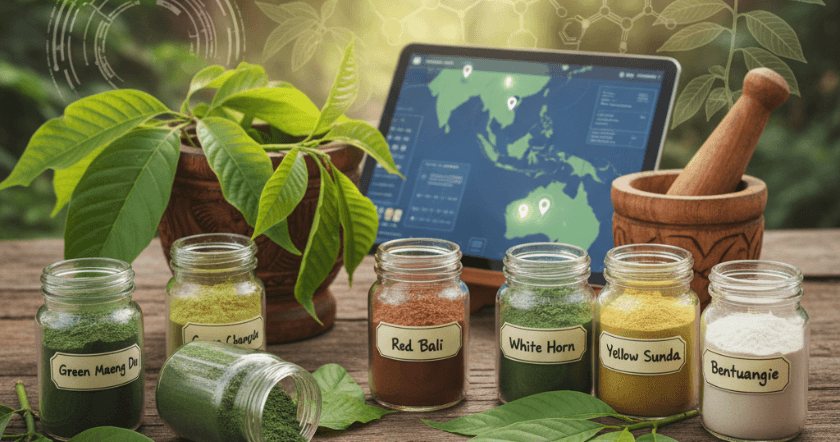
Emerging Kratom Strains This Year: Trends, Effects & Where To Find Them
The market for Kratom is still growing quickly thanks to customer demand, innovation, and better cultivation techniques throughout Southeast Asia. Recently, new and hybrid strains of Kratom have gained popularity as fans seek more specialized experiences, whether for relaxation, energy, or concentration. These new strains are changing the Kratom discussion in 2025 and beyond.
In addition to discussing the newest best strains of Kratom, their distinct effects, and safe locations, this guide will also offer insights into the implications of these developments for the future of Kratom use in the United States.
Unlock Exclusive Deals — Join Our Wholesale Program Now!
The Reasons Behind The Rise Of New Kratom Strains
For generations, people have been growing best Kratom (Mitragyna speciosa) in Thailand, Indonesia, Malaysia, and other nearby countries. Kratom Strains were formerly distinguished by geography (e.g., Kratom Bali, Kratom Maeng Da, Kratom Borneo) and leaf vein color (red, green, or white).
But as demand rises across the world, growers and producers are trying:
- Selective cultivation and cross-breeding to improve certain alkaloid profiles.
- Innovations in drying and fermentation to provide more reliable potency.
- Sustainable methods that guarantee traceability and purity from farm to cup.
The outcome: a surge of modern popular Kratom strains that provide consistent experiences and enhanced effects.
The Year’s Top Emerging Kratom Strains
Let’s examine a few of the notable strains that will be popular in 2025.
1. Hulu Kratom Gold
Origin: Borneo’s Hulu Kapuas area
Processing: Sun-dried leaves that have partially fermented to provide a golden color
Impacts
- Relaxation and mild euphoria
- Steady energy without becoming overstimulated
- Excellent for reducing discomfort and balancing moods
Why It’s Popular: Gold Hulu provides a “middle ground” experience that isn’t overly stimulating like white or too sedative like red. It is a well-liked option for users switching strains.
2. Kratom From Green Elephants
Origin: Indonesia and Thailand (called for the huge “elephant ear” leaves)
Impacts
- Increased drive and attention
- Somewhat uplifting energy
- Mental acuity for employment or education
Why It’s Popular: Professionals and students seek a natural, jitter-free productivity boost like Green Elephant because of its clean, clear-headed stimulation.
3. Jongkong Kratom White
Origin: West Kalimantan’s Jongkong area
Impacts
- Rapid, invigorating onset
- Enhanced focus
- A little boost of mood
Why It’s Popular: White Jongkong Kratom is a popular morning Kratom strain due to its quick-acting, sharp energy, which is like a cup of strong coffee without the crash.
4. Kratom With Red Horn
Origin: Borneo, which is distinguished by its horn-shaped leaf tips.
Impacts
- Discomfort alleviation and deep relaxation
- Support for sleep and lowering restlessness
- Longer duration than typical reds
Why It’s Popular: Red Horn Kratom has become well-known for its enduring potency and comfort. For recuperation and sound sleep, many seasoned users prefer to use it in the evening.
5. Malay Super Green 2.0
Origin: Malaysia (modern processing method)
Impacts
- Calm and balanced energy
- Durable endurance
- Focus and mild euphoria
Why It’s Popular:This more recent “2.0” variant, an improved version of the traditional Green Malay, employs sophisticated drying techniques to prolong the preservation of alkaloids, producing a smoother, more consistent flavor.
6. Bentuangie Chocolate
Origin: fermented red vein leaves from Indonesia
Impacts
- Extremely relaxing and somewhat euphoric
- Good for relaxing muscles
- Excellent for usage at night
Why It’s Popular: The fermenting process gives Bentuangie its softer alkaloid profile and unique chocolate scent. Users who want to unwind without experiencing mental fog love it.
7. Maeng Da Yellow
Origin: hybrid fermentation in Thailand
Impacts
- Mild inspiration and elevation of mood
- Energy that is balanced and fluid
- Encouraging without being overstimulated
Why It’s Popular: The Yellow Maeng Da is a popular Kratom strain for people seeking discomfort alleviation and mild stimulation, which makes it ideal for social or creative contexts.
Recognizing The Range Of Effects
Kratom strains effects are often classified according to the color of their Kratom veins, which affects the balance of alkaloids:
| Types Of Vein | Common Effects | Optimal For |
| White Vein | Focus and vigor | Best in morning time |
| Green Vein | Calm, soft concentration | In noon time or social situations |
| Red Vein | Discomfort management, and sleep | Best in evening time |
| Yellow vein | Motivation and calm | For whole day |
These new strains frequently give hybrid experiences tailored to certain lifestyles, blurring the barriers between conventional classifications.
Alkaloids’ Function In Novel Strains
The concentration of two main alkaloids determines the effects of Kratom:
- The stimulating and uplifting effects are caused by mitragynine.
- 7. Hydroxymitragynine: associated with calming and relaxing properties
In 2025, new fermentation and culture methods have made it feasible to modify the proportions of these substances, resulting in strains that are more reliable and targeted.
For instance
- Alkaloid ratios in gold and yellow Kratoms are usually balanced.
- For energy, white Kratom strains contain more mitragynine.
- Reds are calming because they contain more 7-hydroxymitragynine.
Where To Look For New Strains Of Kratom
Transparency and quality are essential while investigating new Kratom variants. Always buy from reliable suppliers who offer:
- Purity and safety are guaranteed by third-party laboratory testing (COA).
- Batch numbers and information about the origin: confirm the legitimacy of the strain
- Freshness assurance: potency is enhanced by recent harvest dates
Reliable American Sources (Examples)
- Bedrock Botanicals is well-known for producing reliable, laboratory-tested Kratom capsules and Kratom powders.
- Functional Kratom drinks and seltzers with premium, traceable Kratom extracts are available from NOMS.
- Online specialty Kratom retailers: look for client testimonials and GMP certification.
Future Trends In Kratom To Keep An Eye On
The following trends should influence the future generation of products as Kratom research and customer interest increase:
Customized Blends: Kratom compositions tailored to a person’s activities, mood, or time of day.
Functional Beverages: Kratom Teas, Kratom shots, and Kratom seltzers laced with Kratom that are intended to promote concentration or relaxation.
Nano-Extracts: Smoother onset and better absorption for Kratom drinks and tablets.
Sustainability & Traceability: Reputable Kratom Brands will be distinguished by their ethical sourcing practices.
State-Level Regulation: Consumer trust will continue to grow as a result of labeling requirements and legal clarity.
Jong Kong Kratom: Complete Guide & Key Insights
Conclusion
Kratom’s universe is growing beyond the well-known “reds,” “greens,” and “whites.” New Kratom strains in 2025 show a more sophisticated strategy, with an emphasis on verifiable sources, consistent potency, and targeted effects.
There’s a new-generation best strain made just for you, whether you’re looking for relaxation after a demanding day or clean energy to continue working. Just keep in mind that cautious usage and reliable sources are essential for a secure and fulfilling Kratom experience.
Keep yourself educated, consider your decisions carefully, and take pleasure in learning what these changing strains have to offer.
Botanical Supplements Market Forecast 2025-2030: What This Means For Consumers & Brands
The industry for Botanical supplements is undergoing a swift transition. This industry is expected to grow significantly between 2025 and 2030, driven by changing consumer preferences for natural, plant-based solutions and supported by developments in research, supply chains, and digital technologies. I provide a summary of the market prognosis, an explanation of the factors that are driving and hindering the market, and specific recommendations for consumers and companies that wish to take advantage of this opportunity.
Market Overview (Short Figures You May Quote)
Although forecasts from several research organizations differ, they all indicate strong growth until 2030. One prominent analyst, for instance, estimated the market for best Botanical supplements to be worth around USD 38.2 billion in 2024 and projected a roughly 9.9% compound annual growth rate (CAGR) for 2025–2030. Similar high growth figures for plant-based and herbal supplements are provided by other reliable sources; projections indicate that the plant-based supplement market will expand from around USD 27–28 billion in 2025 to over USD 42 billion by 2030. According to regional statistics, consumer demand and manufacturing growth are driving robust expansion in North America and Asia-Pacific.
Reasons For Growth (The Primary Demand-Side Factors)
1. Promoting “Natural” And Preventive Health
Consumers are favoring “clean” chemicals and preventative health measures more and more. Perceived as organic, recognizable, and mild, famous Botanicals align with this attitude, particularly when paired with evidence-based positioning (e.g., elderberry, ashwagandha, and curcumin). This change is a major factor driving demand.
2. Interest In Longevity And Aging Populations
The need for joint, cognitive, sleep, and heart-health assistance among older customers will remain strong. Brands may gain enduring market share by focusing on healthy aging with formulas that have clinical backing.
3. Ethical And Plant-Based Eating
Plant-based vitamins and Botanicals are boosted by veganism, ecological concerns, and interest in traceable origin. Anticipate more products made from algae, mushrooms, and adaptogens as substitutes for substances obtained from animals.
4. Growth Of Retail And E-commerce
Online marketplaces, niche shops, and direct-to-consumer companies all keep expanding customer access. Scaling is made easier by private-label production and better logistics.
5. Product Customization And Discovery Made Possible By Technology
For businesses that do well, personalization through quizzes, app-guided regimens, and AI-driven ingredient matching lets customers find specific Botanical remedies, increasing conversion and retention.
Tap to Access Wholesale Savings Today!
Innovations And Enablers On The Supply Side
Standardization of ingredients and clinical validation. To go from anecdotal to proof, more players are spending money on verified biomarkers, standardized extracts, and clinical studies. This encourages premium pricing and lessens suspicion.
Scale of manufacturing and geographical capability. For well-known companies, investments in high-volume processing and contract manufacturing—including reshoring and nearshoring—are cutting prices and lead times. Reuters’ coverage of big manufacturers and industry M&A highlights this supply-side scale.
Innovative delivery methods and formats. More Kratom beverage integrations, fast-dissolving tabs, Botanically blended candies, and microencapsulation to increase bioavailability are all to be expected.
Technology for sustainability and traceability. Regenerative source narratives, lab-to-shelf traceability, and blockchain will be crucial differentiators.
The Importance Of The Regulatory And Safety Landscape
Regulation is still inconsistent: various countries have distinct laws governing Botanicals (dietary supplement frameworks vs. prescription/regulatory monitoring). Two repercussions:
- Variability in quality. Not all products are created equal; there are still hazards of adulteration, contamination, and incorrect potency labeling. Customers should look for transparent sourcing and third-party testing (COAs).
- Tighter regulations are feasible. Anticipate stricter labeling, evidence, and safety monitoring requirements from authorities in major markets (US, EU, and portions of APAC) as the sector expands and high-profile safety issues happen. Brands will gain customer trust and reduce future compliance expenses if they proactively embrace better production and testing standards.
Important Dangers And Challenges From 2025 To 2030
1. Marketing promises and fragmented science. Overstating advantages without supporting evidence will draw criticism from consumers and regulatory agencies.
2. Instability of supply for important Botanicals. Price increases for some herbs can be caused by agricultural diseases, climate catastrophes, or geopolitical upheavals. Diversified sourcing and vertical integration lessen this.
3. Sensitivity to price and commodification. Certain categories (such as basic multivitamin-herb mixes) may see a reduction in margins when more competitors enter the market unless they stand out for their efficacy, formulation, or reputation.
4. Disinformation and doubt. Clearer proof will be demanded by consumers and healthcare providers; companies that fund studies and release data will do better.
What This Implies For Customers – Helpful Advice
- Seek COAs and third-party testing. A current, batch-specific Certificate of Analysis attests to the product’s identification, potency, and contamination tests.
- For consistent results, use standardized extracts. The phrase “Standardized to X% active” is preferable to ambiguous Botanical names.
- Verify the clinical assistance. Look for human trials (rather than simply animal or in vitro) if a brand makes claims about cognitive benefits.
- Keep an eye out for serving sizes and complete ingredient information. Transparency is important since modest individual dosages can be concealed by custom mixtures.
- Purchase from reliable sources. Risk is decreased by trustworthy merchants and companies that reveal information about sourcing, production, and safety.
What This Implies For Brands: The Strategy Playbook
Invest in proof. For hero compounds, support focused clinical trials or thorough pilot research. Marketing, store acceptability, and maybe reimbursement methods benefit from even modest, carefully planned human studies.
Make a difference with the formulation rather than simply the ingredients. Put together Botanicals that have been shown to work well together, bioavailability enhancers, or delivery systems that suit the tastes of your customers (beverages, sachets, gummies).
Own sustainability and traceability. Clear sourcing stories, regenerative agricultural connections, and third-party sustainability claims generate long-term commitment.
Accept digital interaction and customisation. To boost lifetime value, incorporate applications, subscription services, and instructional materials.
Be ready for more stringent regulations. Adopt stricter GMP, maintain the availability of COAs, and refrain from making unsupported therapeutic claims. This lowers risk and establishes the brand as high-end and reliable.
Watch The Segment Winners From 2025 To 2030.
- Adaptogens and Botanicals that support discomfort (such as rhodiola and ashwagandha), since mental well-being continues to be a major priority for consumers.
- Elderberry and echinacea are two examples of immunity and respiratory Botanicals that are still in demand as customers look for everyday preventive assistance.
- Menopause-focused Botanicals and women’s health: As a result of the general public’s increased awareness of menopause, this market is seeing a sharp increase in the number of younger consumers and new product development.
- Ready-to-drink (RTD) Botanicals and functional drinks are a high-growth channel because of their convenience and lifestyle positioning.
- Mushroom and algae-based nutraceuticals for cognitive and immunological niches.
The Short-Term Prediction (Brief)
The Botanical and plant-based supplement categories are expected to rise at mid-to-high single-digit to low double-digit CAGRs through 2030, according to the majority of credible industry research. This means that market valuations will increase significantly from baselines set in the mid-2020s. Although specific dollar amounts vary from report to study, it is generally agreed that consumer demand, product innovation, and improved distribution economics will fuel consistent, above-average growth in comparison to many packaged-products categories.
Debunking Top 10 Myths On Third-Eye Kratom
Practical Lessons Learned
For Customers
- Products having COAs, standardized extracts, and human proof should be given priority.
- Prior to attempting intricate bespoke mixes, start with well-researched single-ingredient Botanicals.
- When using large doses or for an extended period, monitor the effects and consult your doctor.
Regarding Brands
- Invest in credibility via trials, testing, and GMP.
- Make a difference with your format, formulation, and genuine sources.
- Create digital ecosystems that aid with customer retention and personalization.
- Early planning is key for supply chain resilience and regulatory compliance.
For Investors And Merchants
Invest in companies that have omnichannel distribution strategies, solid supplier partnerships, and distinctiveness backed by data. In a market that is maturing, these are most likely to scale successfully.
Jong Kong Kratom: Complete Guide & Key Insights
Conclusion
The market for Botanical supplements shifts from niche wellness to mainstream health infrastructure between 2025 and 2030. Brands that integrate science, transparency, supply chain dependability, and digital-first consumer experiences will emerge victorious. As long as they can identify the reliable items, customers will benefit from higher-quality products and more focused solutions. Brands that regard Botanical supplements as rigorous, evidence-based, long-lasting products rather than as marketing promises are rewarded in this day and age.

Botanical Vs. Synthetic Supplements: Pros, Cons & What Consumers Want In 2025
The dietary supplement industry has grown into a multi-billion-dollar market, with consumers increasingly focused on their well-being. It provides immune support, better sleep quality, and enhanced focus, a mainstream part of daily routines across the globe. But with this rise comes a crucial debate: Should consumers prefer botanical (natural) supplements or synthetic (lab-produced) ones?
Let’s uncover the differences between botanical and synthetic supplements, explore their pros and cons. Moreover, we’ll also analyze the latest consumer preferences with a clear guide for making informed decisions in 2025.
Introduction: Why Does This Debate Matters?
Supplements play a pivotal role in bridging nutrient gaps, improving performance, and supporting wellness. However, choosing between plant-based extracts and synthetic alternatives isn’t as simple as it seems.
Now people are more bombarded with labels like “all-natural,” “clean-label,” “bioidentical,” and “lab-formulated,”. It carries different implications for health, safety, and sustainability. As more people demand evidence-based outcomes, understanding the real strengths and limitations of each category is also important.
Unlock Exclusive Deals — Join Our Wholesale Program Now!
What Are Botanical Supplements?
Botanical supplements are derived from plants, fungi, algae, or lichens. Examples include:
- Herbal Extracts (such as ginseng, turmeric, or ashwagandha)
- Plant-Based Powders (like spirulina or wheatgrass)
- Oils And Concentrates (flaxseed oil, evening primrose oil)
- Whole-Food Complexes (mushroom blends, algae powders)
Botanicals often appeal to those who want holistic or traditional remedies, as they combine active compounds with secondary metabolites like flavonoids, terpenes, and polyphenols.
What Are Synthetic Supplements?
Synthetic supplements are manufactured in controlled laboratory environments. These include:
- Synthetic Vitamins (e.g., ascorbic acid for vitamin C, folic acid for vitamin B9)
- Minerals produced via chemical processing (magnesium oxide, calcium carbonate)
- Engineered Compounds such as methylcobalamin or cyanocobalamin for vitamin B12
Most synthetic supplements are designed to be chemically identical to the compounds found in nature. Their advantages lie in consistent dosing, scalable production, and stability during storage and distribution.
Botanical Vs. Synthetic: Key Differences
To make sense of the debate, let’s outline the distinctions:
Source & Production
Botanicals: Harvested from plants, fungi, or algae; processed into extracts or powders.
Synthetics: Produced via chemical synthesis, fermentation, or bioengineering.
Composition
Botanicals: Contain multiple compounds, sometimes creating an “entourage effect.”
Synthetics: Deliver single, isolated compounds with exact purity.
Variability
Botanicals: Can vary in potency depending on soil quality, harvest season, and extraction.
Synthetics: Offer consistent composition and controlled dosage.
Consumer Perception
Botanicals: Seen as “natural,” holistic, and traditional.
Synthetics: Viewed as precise, standardized, and often more affordable.
Pros And Cons Of Botanical Supplements
Pros
- Botanicals often include secondary compounds like flavonoids and terpenes, which may improve absorption or enhance the overall effect.
- Many buyers associate plant-based supplements with safety and eco-friendliness.
- When responsibly sourced, botanicals can align with regenerative agriculture and fair-trade principles.
- Herbs such as ginseng, turmeric, and ashwagandha have been used in traditional medicine systems for centuries, giving them credibility.
Cons
- Potency can differ depending on plant species, part used, or extraction method.
- Soil pollution may introduce heavy metals (lead, cadmium, arsenic).
- Some suppliers cut corners by spiking herbal extracts with cheaper fillers.
- While many botanicals are promising, fewer have large-scale, peer-reviewed studies compared to vitamins and minerals.
Pros And Cons Of Synthetic Supplements
Pros
- Each dose is identical in potency and purity, reducing variability.
- Production is cost-efficient and meets global demand without reliance on seasonal crops.
- When correcting nutrient shortfalls (e.g., vitamin D, B12, iron), synthetics ensure reliable outcomes.
- Synthetic compounds are often more stable and less prone to degradation.
Cons
- Isolated compounds don’t always provide the entourage of benefits that botanicals can.
- Some consumers distrust lab-made products, fearing chemical additives
- Synthetic supplements may encourage high-dose consumption, which isn’t always beneficial.
- Manufacturing processes can involve solvents or energy-intensive steps.
Ingredient-By-Ingredient Realities
- Vitamin C: Natural and synthetic forms are chemically identical. Both are effective in supporting immunity and tissue repair.
- Vitamin E: Natural d-alpha-tocopherol is more potent than synthetic dl-alpha versions.
- Folate: Both folic acid (synthetic) and 5-MTHF (natural form) can improve folate status, though some genetic variants respond better to 5-MTHF.
- Vitamin B12: Cyanocobalamin (synthetic) and methylcobalamin (naturally occurring form) are both effective. Choice often depends on absorption and stability.
- Curcumin (Turmeric): Bioavailability is low unless combined with enhancers or formulated into advanced delivery systems.
- Ashwagandha: Evidence is growing, but outcomes vary depending on extract and dosage standardization.
Comparison Table: Botanical vs Synthetic Supplements (2025)
| Feature | Botanical Supplements | Synthetic Supplements |
| Source | Plants, fungi, algae, lichens | Lab synthesis, fermentation |
| Composition | Complex, multi-compound | Isolated, pure compounds |
| Consistency | Variable potency | Highly consistent |
| Efficacy | Sometimes enhanced by co-factors | Direct, measurable nutrient delivery |
| Risks | Contaminants, adulteration, variability | Overdosing, perceived as “unnatural” |
| Consumer Perception | Natural, holistic, traditional | Scientific, standardized, affordable |
| Best Use Cases | Lifestyle support, phytonutrient synergy | Correcting deficiencies, precise dosing |
| Sustainability | Dependent on farming practices | Dependent on manufacturing footprint |
What Consumers Want In 2025?
The supplement marketplace is evolving rapidly, and consumer expectations have never been higher. People are no longer satisfied with vague promises or flashy labels, they want clarity, proof, and products that fit seamlessly into their lives.
Clean Labeling
People demand transparency: clear ingredient lists, no hidden blends, and certifications like NSF or USP.
Third-Party Testing
Heavy metal scandals in protein powders and herbal adulteration have made independent testing non-negotiable.
Convenient Formats
Kratom Gummies, Kratom Powders, single-shot drinks, and once-daily Kratom capsules dominate. Consumers want effective products without pill fatigue.
Personalization
Custom stacks tailored to life stage, gender, and lifestyle goals are growing, fueled by apps and AI-driven nutrition platforms.
Sustainability
Eco-conscious buyers look for vegan D3 (from lichen), algae-based omega-3s, and recyclable packaging.
A Practical Checklist For Buyers
Define Your Goal: Is it nutrient deficiency correction or general wellness support?
Check The Form: Choose evidence-backed versions (e.g., 5-MTHF for folate, d-alpha-tocopherol for vitamin E).
Demand COAs: Look for Certificates of Analysis proving batch-specific purity.
Prioritize Testing: Ensure products are tested for contaminants like lead, arsenic, and mercury.
Match Values: If vegan, confirm D3 source; if eco-conscious, check for sustainable certifications.
Watch The Dose: More isn’t always better. Stay within safe limits.
Final Word
The choice between botanical and synthetic supplements doesn’t have to be ideological. It’s not about “natural vs artificial,” but rather about evidence, quality, safety, and purpose.
- Choose botanical supplements when you want holistic benefits, phytonutrient synergy, and cultural traditions, provided they are tested and traceable.
- Choose synthetic supplements when precision, consistency, and deficiency correction matter most.
In 2025, consumers are smarter, more skeptical, and more empowered than ever. Brands that combine proof, purity, and planet-smart practices will win the trust of this evolving marketplace.
Debunking Top 10 Myths on Third-Eye Kratom
FAQs
Are Natural Supplements Always Safer?
No. Botanicals can be contaminated or adulterated if not tested. Synthetic nutrients can also be overused. Safety depends on sourcing, testing, and dosing.
Do Natural Vitamins Work Better Than Synthetic Ones?
Not always. For example, vitamin C is identical whether natural or synthetic. For vitamin E, natural forms are stronger.
Why Are Heavy Metals a Concern?
Plant-based products may absorb metals from soil. Recent headlines about lead in protein powders have highlighted the importance of independent testing.
Which Type Is Better For Deficiency Correction?
Synthetic supplements excel because they deliver exact, measurable doses of nutrients like vitamin D, B12, and folate.
How Do I Ensure Quality?
Look for products with third-party certifications, transparent labels, and QR codes linking to lab results.
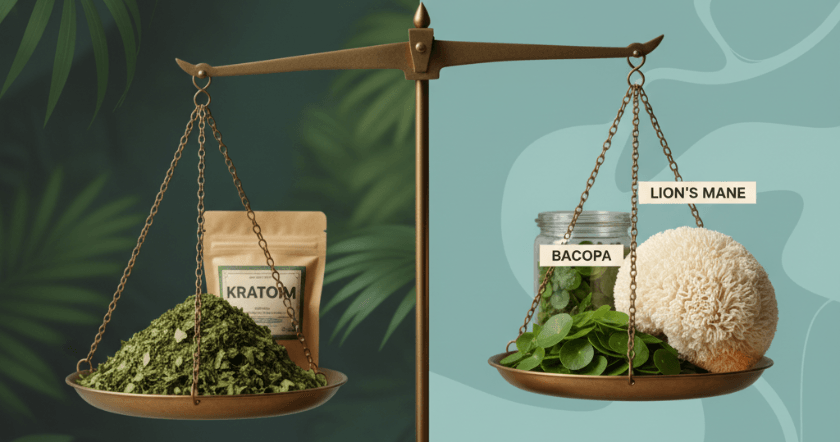
Plant-Based Nootropics: Kratom Vs. Bacopa Vs. Lion’s Mane
Have you ever wondered why ancient cultures leaned so heavily on nature to sharpen their thinking, enhance memory, and improve clarity? Long before laboratory-engineered supplements dominated the wellness market, communities relied on plants, herbs, and fungi to unlock the mind’s potential. Now the global movement toward natural wellness is interested in plant-based nootropics compounds for better mental performance.
Among the many contenders in this category, three stand out for their rich history, scientific intrigue, and modern relevance: Kratom (Mitragyna speciosa), Bacopa Monnieri (Brahmi), and Lion’s Mane Mushroom (Hericium erinaceus). Each comes from a different corner of the world, carries unique bioactive compounds, and offers distinct effects on human cognition.
Let’s explore these three natural nootropics in depth. We’ll compare their origins, mechanisms of action, evidence, and applications because understanding these botanicals may help you make more informed choices.
Tap to Access Wholesale Savings Today!
What Are Plant-Based Nootropics?
The term nootropic was first coined in the 1970s to describe substances that could improve learning and memory while being safe and non-toxic.
Now, the definition has broadened to include any natural or synthetic substance that enhances mental performance.
Natural Vs Synthetic Nootropics
- Synthetic nootropics: Compounds like racetams or modafinil, designed in labs, often with targeted effects but sometimes accompanied by side effects.
- Plant-based nootropics: Derived from herbs, roots, leaves, fungi, and other natural sources. They are favored for being part of traditional medicine systems to get more results.
Why Choose Plant-Based?
- Long-standing traditional use across multiple cultures.
- Synergistic compounds within whole plants, not just isolated chemicals.
- Supports their roles in memory, focus, and clarity.
Kratom (Mitragyna speciosa)
Kratom is a tropical evergreen tree native to Thailand, Malaysia, and Indonesia. For centuries, locals have chewed its leaves or brewed them into Kratom tea to support daily work, improve endurance, and enhance clarity.
Active Compounds
The primary alkaloids in Kratom are mitragynine and 7-hydroxymitragynine. These interact with receptor systems in the body, producing a unique spectrum of effects that can range from stimulating to soothing, depending on dose and strain.
Potential Cognitive And Physiological Effects
- Alertness and motivation: Traditionally, lower kratom doses are associated with enhanced energy and sustained focus.
- Mood uplift: Certain Kratom strains are noted for creating a sense of well-being and emotional balance.
- Comfort and relaxation: Higher doses are said to promote tranquility and ease physical unease.
Strains And Their Characteristics
- White vein: Often described as energizing and motivating.
- Green vein: Balanced between stimulation and relaxation.
- Red vein: Known for deeper calming properties.
Modern Applications
Today, the forms of Kratom are in powder, capsule, and extract, often marketed toward individuals seeking improved productivity, clarity, and comfort.
Safety And Considerations
Kratom’s legal status varies globally. Some countries ban it, while others regulate or allow it. As with any botanical, responsible sourcing, dosage awareness, and professional consultation are essential.
Jong Kong Kratom: Complete Guide & Key Insights
Bacopa Monnieri (Brahmi)
Bacopa Monnieri, commonly known as Brahmi, has been a staple in Ayurvedic medicine for thousands of years. In ancient texts, it was described as a “medhya rasayana”, a rejuvenator for the mind. Traditionally, it was used by scholars, students, and yogis to enhance memory retention and intellectual clarity.
Key Active Compounds
The main bioactive compounds are bacosides, which are thought to support neurotransmitter activity, promote neuron communication, and protect brain cells.
Evidence On Cognitive Performance
Modern studies suggest Bacopa may:
- Improve information recall and learning capacity.
- Enhance processing speed and mental adaptability.
- Support long-term neuroprotection.
A notable aspect of Bacopa is that its effects tend to build gradually with consistent use over weeks, rather than providing instant results.
Preparations And Use
- Powder forms mixed with warm liquids.
- Standardized extracts in capsules, often labeled with bacoside content (20–50%).
- Traditional mixtures in Ayurvedic formulations combined with other herbs.
Modern Validation
Several clinical studies have reinforced Bacopa’s reputation as a memory enhancer, particularly in older adults and students. While not all trials agree on its potency, the overall evidence points toward significant promise.
Safety Profile
Bacopa is generally considered safe, with centuries of traditional use. However, quality matters, organic and standardized products reduce variability in effects.
Lion’s Mane Mushroom (Hericium erinaceus)
Lion’s Mane, named for its shaggy appearance resembling a lion’s mane, is a medicinal and culinary mushroom native to East Asia. In traditional Chinese medicine, it was valued for supporting digestion and overall vitality, but in recent decades it has gained global attention for its neurocognitive benefits.
Bioactive Compounds
- Hericenones (found in fruiting bodies)
- Erinacines (found in mycelium)
Both have shown potential in stimulating nerve growth factor (NGF), a protein essential for the survival and growth of neurons.
Cognitive Benefits
- Memory And learning: Early studies suggest improvements in recall and comprehension.
- Focus And clarity: Users often describe smoother mental processing and sustained attention.
- Neuroprotection: Animal and preliminary human trials indicate support for brain cell repair and long-term resilience.
Culinary And Supplement Use
- Eaten fresh as a gourmet mushroom with a seafood-like flavor.
- Available in powdered extracts, capsules, and tinctures.
- Popular in nootropic “stacks” combined with adaptogens and vitamins.
Scientific Insights
Lion’s Mane is one of the few natural nootropics showing direct influence on NGF production, making it a strong candidate for long-term cognitive support.
Comparative Analysis: Kratom Vs Bacopa Vs Lion’s Mane
| Feature | Kratom | Bacopa Monnieri | Lion’s Mane Mushroom |
| Origin | Southeast Asia | India (Ayurvedic tradition) | East Asia |
| Key Compounds | Mitragynine, 7-HMG | Bacosides | Hericenones, Erinacines |
| Primary Use | Motivation, comfort, focus | Memory, learning, recall | Nerve growth, clarity, repair |
| Onset of Effects | Immediate (short duration) | Gradual (weeks of use) | Moderate (weeks to months) |
| Form of Use | Powders, capsules, extracts | Powders, standardized extracts | Culinary, capsules, tinctures |
| Safety/Regulation | Varies globally, controversial | Generally safe, well-studied | Safe, with growing research |
Short-Term Vs Long-Term Benefits
- Kratom: Rapid effects, but less studied for long-term safety.
- Bacopa: Gradual improvements in memory and learning, validated by studies.
- Lion’s Mane: Promising long-term support for nerve regeneration and brain health.
Traditional Wisdom Vs Modern Science
- Kratom has strong traditional use but less clinical research.
- Bacopa bridges ancient wisdom with modern clinical validation.
- Lion’s Mane combines culinary tradition with cutting-edge neuroscience interest.
Practical Applications & Stacking
- Students & Professionals: Bacopa for long-term memory support, Lion’s Mane for clarity.
- Creative Thinkers: Lion’s Mane may boost innovation through improved neural connectivity.
- Individuals seeking motivation: Kratom, in responsible doses, may provide the needed boost.
- Stacking Example: Bacopa + Lion’s Mane is a popular combination for sustained learning and neuroprotection, while Kratom is usually used alone due to its distinct pharmacology.
Challenges And Limitations
- Kratom is banned in some regions, while Bacopa and Lion’s Mane enjoy broader acceptance.
- Potency of plant compounds varies by growing region, harvest, and extraction.
- Unlike pharmaceuticals, supplements often lack consistency.
- While Bacopa and Lion’s Mane have growing evidence, Kratom requires more rigorous studies for long-term cognitive outcomes.
Conclusion
Nature has long provided tools for human development, and Kratom, Bacopa, and Lion’s Mane highlight the diversity of plant-based nootropics.
- Kratom offers immediate focus and motivation, with traditional roots but ongoing debates.
- Bacopa shines as a memory enhancer validated by centuries of use and modern science.
- Lion’s Mane stands out for its potential to support nerve regeneration and long-term clarity.
For individuals seeking natural cognitive enhancers, the choice depends on personal goals: quick drive, gradual improvement, or sustained brain health. What’s clear is that these botanicals are not just remnants of ancient medicine, they’re vital players in the future of natural nootropics.
Chlorophyll, Spirulina & Green Powders: Benefits, Risks & Best Products
Green powders have rapidly gained recognition as convenient ways to boost wellness and energy. From chlorophyll drops to spirulina tablets and multi-ingredient superfood blends, these green formulations are praised for delivering concentrated nutrients in an easy-to-use form. But what exactly are chlorophyll, spirulina, and green powders? How do they support the body, what are the potential drawbacks, and which products are worth considering?
Here’s the detailed and research-backed guide exploring their composition, benefits, possible side effects, and top products to help you make informed choices.
Unlock Exclusive Deals — Join Our Wholesale Program Now!
Understanding Chlorophyll
What Is Chlorophyll?
The natural pigment, chlorophyll, gives plants their green color. It plays a vital role in photosynthesis and plants convert sunlight into energy. Beyond function in plants, chlorophyll supplements are available in liquid or capsule form. They have been studied for their impact on human health.
There are two main types commonly found in supplements:
- Chlorophyllin: a semi-synthetic form that is water-soluble and often used in liquid drops.
- Natural Chlorophyll: usually extracted from plants like alfalfa, mulberry leaves, or chlorella.
Nutritional Composition Of Chlorophyll
While chlorophyll itself is not a vitamin or mineral, it contains compounds that may support oxygen transport, detoxification processes, and overall cellular health. Many chlorophyll supplements are also fortified with copper and sodium, which enhance absorption.
Benefits of Chlorophyll
Digestive Harmony
Chlorophyll may support gut balance by assisting in maintaining regular bowel movements and fostering a healthier intestinal environment. The cleansing properties reduce the accumulation of unwanted compounds.
Breath Freshness
One of the oldest uses of chlorophyllin is as a natural deodorizer. Therefore, it helps neutralize certain compounds in the body. It leads to fresher breath and reduced internal odors.
Immune Support
Antioxidants in chlorophyll protects the cells from oxidative load, strengthening overall defense mechanisms against environmental triggers.
Skin Vitality
Topical and oral chlorophyll have been linked to clearer, brighter skin. It has a great role in detoxification and supporting circulation and helps reduce impurities.
Potential Risks Of Chlorophyll
While generally safe, some individuals may experience:
- Mild digestive discomfort (loose stools, slight stomach upset).
- Rare allergic reactions in sensitive individuals.
- Temporary green discoloration of stools or urine.
It’s important to follow recommended dosages and consult a healthcare professional before long-term use.
Understanding Spirulina
What Is Spirulina?
Spirulina is a type of blue-green algae that thrives in both fresh and salt water. It has been consumed for centuries by ancient civilizations, most notably the Aztecs. Today, it’s considered one of the most nutrient-dense superfoods available.
Nutritional Profile Of Spirulina
Spirulina is loaded with:
- Protein: (up to 60–70% by weight, containing all essential amino acids).
- Vitamins: B1 (thiamine), B2 (riboflavin), B3 (niacin), B12 (in some forms).
- Minerals: Iron, copper, magnesium, potassium.
- Pigments: Phycocyanin, chlorophyll, carotenoids (powerful antioxidants).
Benefits Of Spirulina
High Protein Content For Energy & Recovery
Spirulina is often used by athletes and active individuals for its complete protein profile, making it an excellent plant-based alternative to traditional protein sources.
Supports Healthy Blood Parameters
Research indicates spirulina may assist in maintaining balanced hemoglobin levels, making it beneficial for individuals with low red blood cell counts.
Eye & Brain Wellness
Rich in beta-carotene and zeaxanthin, spirulina helps safeguard eye function and may support mental clarity.
Anti-Fatigue Properties
Its iron and B-vitamin content contribute to reducing tiredness, promoting sustained vitality throughout the day.
Natural Detox Aid
Spirulina has been shown to bind with heavy metals and other unwanted compounds, assisting the body in cleansing processes.
Potential Risks Of Spirulina
While spirulina is widely recognized as safe, concerns include:
- Contamination risk if sourced from unsafe waters (can contain microcystins or heavy metals).
- Possible mild digestive upset (bloating, slight nausea in some).
- Should be avoided by individuals with certain autoimmune conditions unless advised by a doctor.
Choosing high-quality, third-party tested spirulina is critical.
Green Powders: What They Are
Defining Green Powders
Green powders are dietary supplements made from dried and powdered vegetables, grasses, algae, herbs, and sometimes probiotics and digestive enzymes. Popular ingredients include wheatgrass, barley grass, spinach, spirulina, chlorella, kale, and broccoli.
They aim to provide the nutritional benefits of greens in one scoop, making them a convenient way to boost nutrient intake.
Benefits Of Green Powders
Nutrient Density
A single serving may contain dozens of plant extracts, offering a concentrated source of vitamins, minerals, and phytonutrients.
Convenient Vegetable Intake
For those with busy lifestyles, green powders act as a quick way to “fill in the gaps” of daily vegetable requirements.
Digestive Wellness
Many blends include probiotics and enzymes, which can support smooth digestion and nutrient absorption.
Energy & Vitality
The natural blend of greens, antioxidants, and adaptogenic herbs promotes sustained vitality and reduced fatigue.
Immune Function
The combination of antioxidants, chlorophyll, and vitamins C, E, and A in these powders helps reinforce the immune system.
Risks Of Green Powders
- Not a Substitute For Whole Foods: They complement but should not replace vegetables and fruits.
- Added Sweeteners Or Fillers: Some brands use artificial flavors or sugars.
- Possible Interactions: Certain herbs may interact with medications.
- Digestive Sensitivity: Some may experience mild bloating or loose stools when starting.
Jong Kong Kratom: Complete Guide & Key Insights
How To Choose The Best Products?
Selecting the right chlorophyll, spirulina, or green powder supplement can make all the difference in quality and results. Here are essentials to check:
Third-Party Testing: Trusted brands have their products tested by independent labs to confirm purity, safety, and the absence of heavy metals or contaminants.
Organic & Non-GMO: Choosing organic, non-GMO options ensures cleaner farming practices and reduces exposure to pesticides or synthetic chemicals.
Transparent Labeling: Good products clearly list ingredient amounts instead of hiding them in “proprietary blends,” so you know exactly what you’re taking.
No Artificial Additives: Steer clear of unnecessary fillers, sugars, or artificial flavors. The best supplements keep formulas simple and nutrient-focused.
Recommended Chlorophyll Products
- NOW Liquid Chlorophyll: Highly rated, mint-flavored.
- Nature’s Way Chlorofresh: Chlorophyllin-based, supports digestive freshness.
Recommended Spirulina Products
- Nutrex Hawaii Spirulina Pacifica: Cultivated in clean Hawaiian waters.
- NOW Spirulina Powder: Pure, affordable, and versatile.
Recommended Green Powders
- Athletic Greens (AG1): Premium blend with probiotics, adaptogens, and vitamins.
- Amazing Grass Green Superfood: Affordable, widely available, organic.
- Organifi Green Juice: Known for taste and digestive support.
Conclusion
Chlorophyll, spirulina, and green powders represent a fascinating intersection of plant science and modern nutrition. Each offers unique benefits, from supporting digestive balance and detoxification to delivering concentrated protein and antioxidants. When choosing a supplement, prioritize purity, quality sourcing, and brand transparency. Combined with a varied diet rich in fruits, vegetables, whole grains, and lean proteins, these green superfoods can contribute significantly to a healthier, more energized lifestyle.
Debunking Top 10 Myths on Third-Eye Kratom
FAQs
Can I Take Chlorophyll And Spirulina Together?
Yes. Many green powders already combine them. They complement each other’s nutrient profiles.
Do These Supplements Replace Vegetables?
No, they supplement your diet but cannot provide the same fiber and phytonutrient diversity as whole foods.
How Long Before I Notice Results?
Most people experience benefits like improved vitality and digestion within a few weeks, though it varies.
Are Green Powders Safe For Children?
Some are safe in small amounts, but always consult a pediatric professional first.
Can Pregnant Or Nursing Women Use These?
Consulting a healthcare provider is essential, as some herbs or algae may not be recommended during pregnancy.