
Blog
Understanding the FDA’s Role in Kratom Regulation: A Complete Guide
New Research On Kratom’s Potential Benefits
Kratom has become one of the most discussed botanical substances in the wellness and herbal marketplace. As interest in plant-based products continues to expand, Kratom remains at the center of conversations involving safety, legality, product quality, consumer education, and government oversight. However, one topic that creates the most confusion among consumers and businesses is the role of the U.S. Food and Drug Administration (FDA) in Kratom regulation.
Many people searching online ask questions such as: Is Kratom approved by the FDA? Why does the FDA issue warnings about Kratom? Is Kratom legal? Can companies sell Kratom legally? The answers are not always straightforward because Kratom occupies a unique and often debated regulatory space in the United States.
What the FDA Actually Does?
Before discussing Kratom specifically, it is important to understand the FDA’s broader responsibilities.
The FDA regulates many categories of products in the United States, including:
- Food products
- Dietary supplements
- Prescription medicines
- Cosmetics
- Medical devices
- Tobacco products
The agency’s primary mission is to protect public health by ensuring products are reasonably safe, accurately labeled, and properly marketed.
However, the FDA does not automatically approve every product sold in the market. Instead, the level of oversight depends on the product category.
For example:
Prescription Medications
Medicines must undergo extensive testing before receiving FDA approval. Companies must provide scientific evidence demonstrating safety, effectiveness, and manufacturing quality.
Dietary Supplements
Supplements are regulated differently. Manufacturers are responsible for product safety before products enter the market. The FDA may intervene if concerns emerge regarding contamination, misleading marketing, or safety risks.
Herbal Products
Botanical products, including Kratom, often fall into a more complex category where regulatory standards are not always straightforward.
This distinction explains much of the confusion surrounding Kratom.
Is Kratom Approved by the FDA?
One of the most searched questions online is whether Kratom has FDA approval.
The answer is simple:
This means the FDA has not officially authorized Kratom as a treatment for any health condition.
The agency has repeatedly stated that Kratom products have not gone through the same scientific review process required for approved medicines. Since no Kratom product has completed this pathway, companies are generally prohibited from marketing Kratom with medical-style claims.
Why Does the FDA Pay Attention to Kratom?
The FDA’s involvement with Kratom is not random. Several factors influence its regulatory interest.
Safety Monitoring and Consumer Protection
Like many herbal substances, Kratom products vary greatly in quality. Since there is no universal manufacturing system across all sellers, product consistency may differ.
The FDA monitors concerns involving:
- Contamination risks
- Product adulteration
- Misleading ingredient labeling
- Unsafe manufacturing practices
- Potential interactions with other substances
When reports suggest product quality concerns or misleading promotional behavior, the FDA may investigate.
The agency often emphasizes consumer protection, especially when products enter the market without standardized production methods.
Why Do FDA Warning Letters Matter?
When discussing Kratom regulation, FDA warning letters often appear in news stories.
But what exactly are they?
A warning letter is an official notice sent to companies that may be violating regulations.
These letters often focus on:
- Unsupported product claims
- Manufacturing concerns
- Misleading labeling
- Safety-related issues
- Improper marketing language
Receiving a warning letter does not automatically mean a product is permanently banned. However, it signals that regulators believe corrective action is needed.
Companies may be required to:
- Change labeling
- Remove unsupported claims
- Improve production standards
- Update website content
- Adjust advertising practices
For Kratom vendors, compliance becomes especially important because marketing language is closely monitored.
Why Do Kratom Laws Differ Across States?
Another source of confusion is legality.
Many consumers wonder:
“If the FDA has concerns, why is Kratom still sold?”
The answer lies in how U.S. regulation works.
Federal agencies and state governments can have different approaches.
Some states permit Kratom sales, while others impose restrictions or bans. Certain local jurisdictions may also have their own rules.
This creates a patchwork legal environment where Kratom availability differs depending on location.
Consumers should always review local regulations before purchasing or traveling with Kratom products.
Buy NOMS Kratom Seltzer In Bulk – Wholesale Program
The Importance of Manufacturing Standards in the Kratom Industry
One major discussion surrounding Kratom regulation involves product quality.
Since Kratom products are sold by many vendors, manufacturing consistency becomes essential.
Reliable brands often emphasize:
Third-Party Laboratory Testing
Independent testing may verify:
- Purity
- Product consistency
- Heavy metal screening
- Microbial testing
- Ingredient transparency
New Research On Kratom’s Potential Benefits
Clear Labeling
Responsible companies often provide:
- Ingredient lists
- Serving information
- Batch numbers
- Usage guidance
- Safety disclaimers
Clean Production Practices
Good manufacturing procedures can improve consistency and reduce contamination concerns.
As consumer expectations grow, many reputable companies are investing more heavily in quality assurance systems.
Click To Read More Topics From Our Blog!
Why the FDA Focuses on Scientific Research
Another important part of the FDA’s role involves evaluating scientific evidence.
The agency often reviews:
- Toxicology data
- Safety findings
- Laboratory studies
- Consumer reports
- Public health information
Regulators generally prefer evidence-based decision-making before supporting broader claims about any botanical product.
Since Kratom research continues to develop, regulatory discussions often evolve as new information becomes available.
This explains why policies and public statements may shift over time.
Common Misunderstandings About FDA and Kratom
“If It’s Natural, It Must Be Automatically Approved”
This is incorrect.
Natural products are not automatically FDA-approved simply because they come from plants.
Many botanical substances still face regulatory review, especially when marketed commercially.
“FDA Monitoring Means Kratom Is Completely Illegal”
Not necessarily.
The FDA monitoring a product category does not automatically mean a nationwide prohibition exists.
Instead, oversight may focus on safety concerns, manufacturing standards, and labeling practices.
“Every Kratom Product Is the Same”
Quality can vary significantly.
Different vendors may source products differently, follow different manufacturing processes, and maintain different testing standards.
This variation is one reason regulatory agencies continue to pay attention to the market.
How FDA Regulation Affects Kratom Businesses
For Kratom companies, FDA oversight influences nearly every aspect of operations.
Businesses must think carefully about:
Product Descriptions
Marketing language must remain compliant and avoid unsupported health promises.
Website Content
Educational content should avoid misleading claims that may attract regulatory attention.
Manufacturing Transparency
Consumers increasingly want proof of testing, quality control, and sourcing.
Labeling Standards
Accurate ingredient information is essential for trust and compliance.
Companies that prioritize transparency often build stronger credibility with customers.
Final Thoughts
Understanding the FDA’s role in Kratom regulation requires looking at the bigger picture. The agency does not simply “approve” or “ban” products overnight. Instead, its responsibilities include consumer protection, product safety monitoring, labeling oversight, import review, and ensuring companies avoid misleading marketing practices.
As research grows and regulatory discussions continue, transparency, product quality, and responsible marketing will likely remain central to the future of the Kratom industry.
FAQs
Can You Travel Internationally With Kratom?
It depends on the destination country. Some nations allow Kratom, while others prohibit possession entirely. Travelers should always verify customs regulations beforehand.
Why Do Kratom Products Sometimes Look Different Between Brands?
Differences in harvesting regions, drying techniques, grinding methods, and processing standards can influence color, texture, and consistency.
Why Do Payment Methods For Kratom Websites Sometimes Change?
Financial institutions often have different policies regarding herbal products considered high-risk industries. As a result, some Kratom vendors periodically switch payment processors or purchasing systems.
Are Online Kratom Reviews Reliable?
Online reviews can be useful, but they should be viewed carefully. Community discussions, forum feedback, and verified customer experiences may offer insights.
Our Related Blogs
Our Products
-
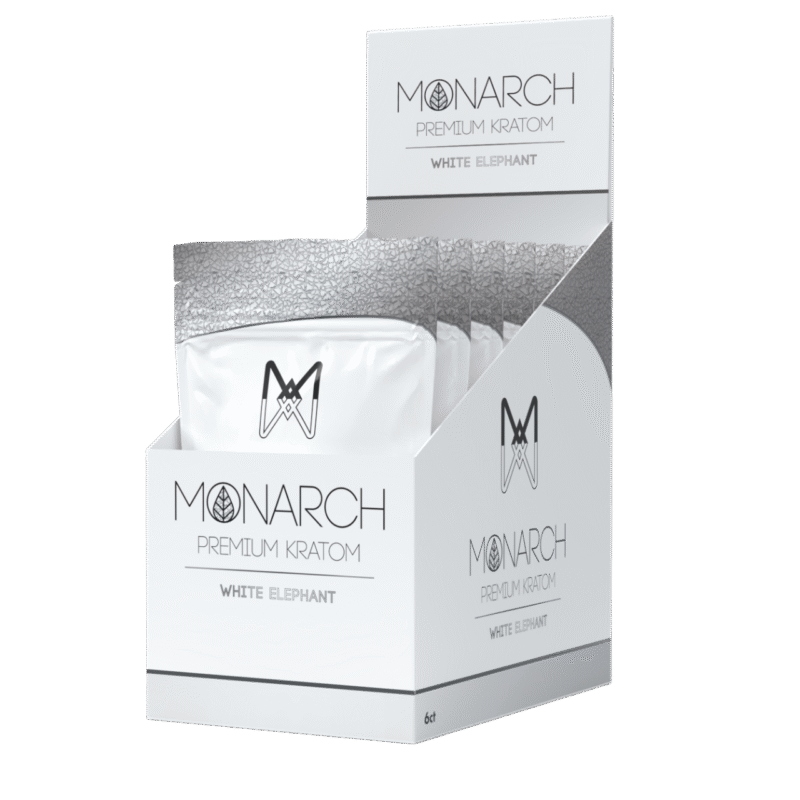 Monarch: White Elephant
$4.99 – $129.99Price range: $4.99 through $129.99
Monarch: White Elephant
$4.99 – $129.99Price range: $4.99 through $129.99
-
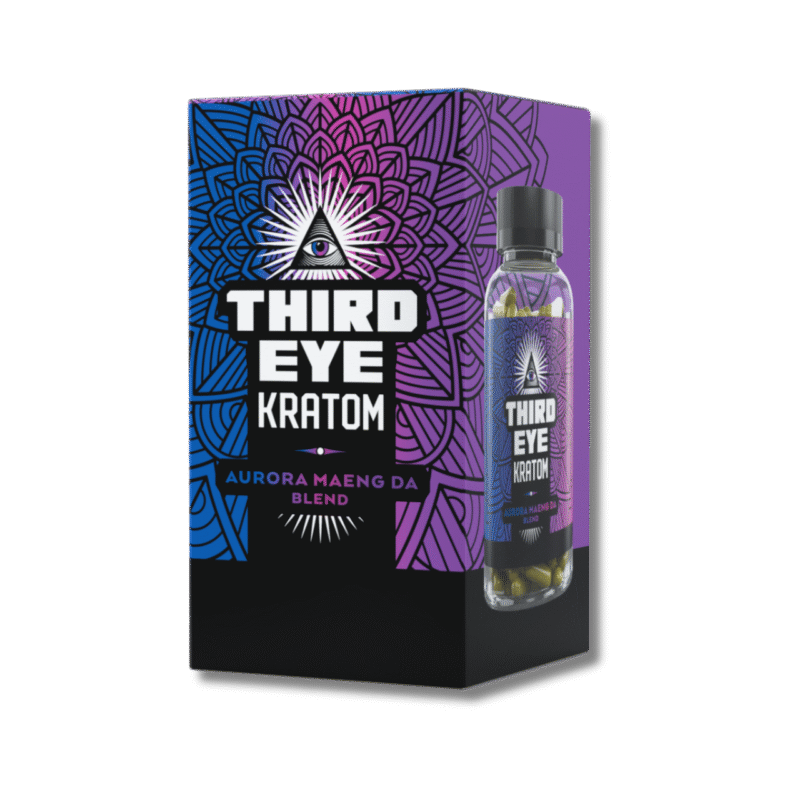 Third Eye: Aurora Maeng Da (Capsules)
$3.99 – $33.99Price range: $3.99 through $33.99
Third Eye: Aurora Maeng Da (Capsules)
$3.99 – $33.99Price range: $3.99 through $33.99
-
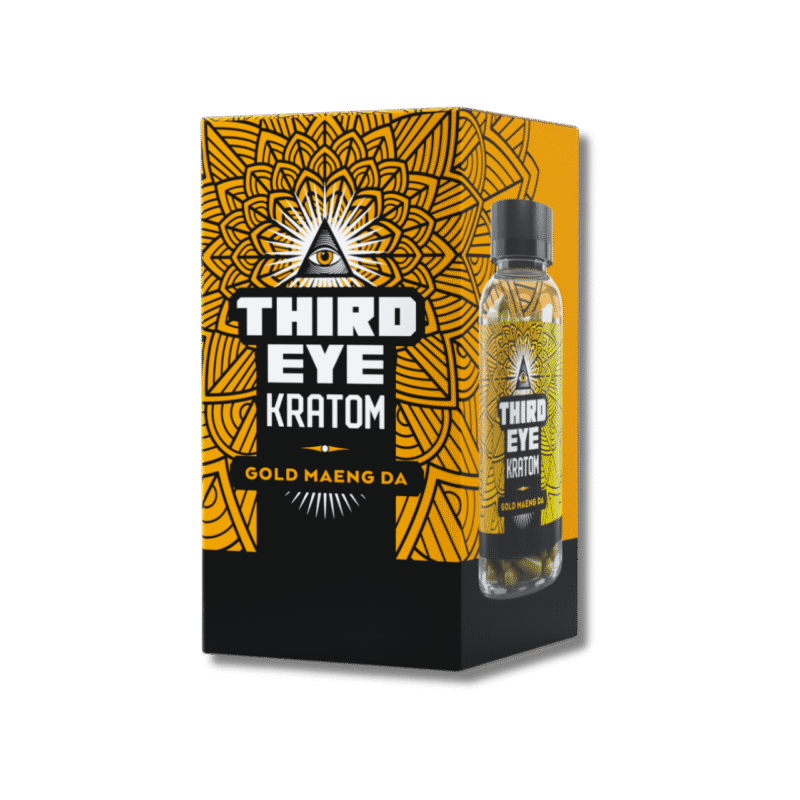 Third Eye: Gold Maeng Da (Capsules)
$3.99 – $33.99Price range: $3.99 through $33.99
Third Eye: Gold Maeng Da (Capsules)
$3.99 – $33.99Price range: $3.99 through $33.99