
Tag Archives: Kratom
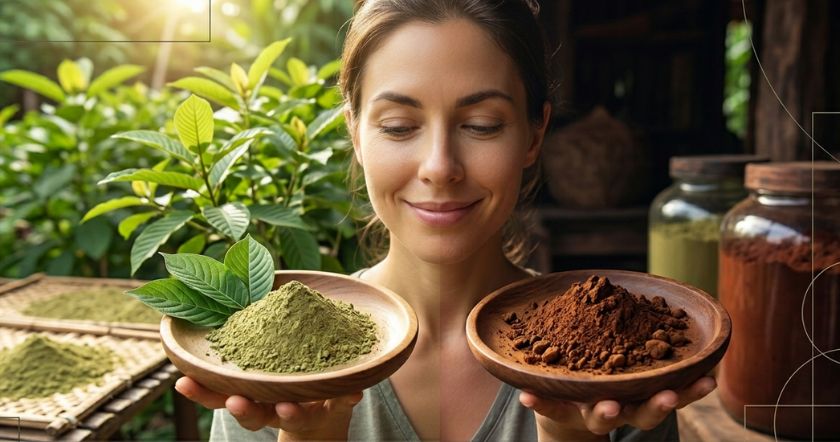
Fermented Vs Non-Fermented Kratom

Many consumers are still unaware of the distinctions between fermented and non-fermented Kratom, even though it has emerged as one of the most talked-about Bedrcok botanical products in recent years. You’ve already experienced the effects of processing techniques, particularly fermentation, if you’ve ever heard of phrases like Bentuangie, chocolate Kratom, or green vein Kratom.
Everything you need to know about fermentation will be covered in this book, including how it impacts potency, effects, flavor, and overall experience.
Kratom: What Is It?
The leaves of the Southeast Asian tree Mitragyna speciosa are used to make Kratom. The active substances found in these leaves, known as alkaloids, are what give Kratom its effects.
Among the most significant alkaloids are:
- 7-hydroxymitragynine
- Mitragynine
The way the leaves are treated after harvesting has a significant impact on how these alkaloids behave, and fermentation plays a key role in this.
Kratom leaves that have undergone a controlled breakdown process employing heat, moisture, and natural bacteria are referred to as fermented Kratom.
In The Course Of Fermentation:
- Bags or enclosed spaces are used to store leaves.
- Biochemical reactions are triggered by heat and moisture.
- Alkaloids undergo changes or transformations
Before the leaves are dried and processed into Kratom powder, this procedure usually takes 24 to 72 hours.
Buy NOMS Kratom Seltzer In Bulk – Wholesale Program
Important Features Of Fermented Kratom
- Reddish or dark brown in hue
- Strong, earthy scent
- Smoother flavor (some people find it less bitter)
- More soothing and tranquil effects
The chemical structure of the plant is altered by fermentation, which facilitates the body’s absorption of chemicals and occasionally modifies their potency.
Non-Fermented Kratom: What Is It?
The fermentation process is completely avoided with non-fermented Kratom, often known as raw or unfermented Kratom.
Rather than:
- The leaves are picked.
- Dried right away (either indoors or outdoors)
- Crushed into a powder
This doesn’t significantly alter the plant’s natural alkaloid composition.
Important Features Of Non-Fermented Kratom
- Vibrant green hue
- Fresh, herbal scent
- A stronger, more bitter flavor
- More balanced or stimulating effects
Non-fermented Kratom is frequently chosen for energy and concentration since the alkaloids stay closer to their original condition.
How Kratom Is Modified By Fermentation
Chemical transformation is the primary distinction between fermented and non-fermented Kratom.
1. Modifications To The Alkaloid Profile
The ratio of alkaloids is changed by fermentation:
- Certain stimulating substances diminish
- More calming substances take over.
- During the process, new alkaloids might develop.
For instance, fermentation can change the way Kratom feels in the body by transforming certain chemicals into stronger or more sedative forms.
2. Enhanced Absorption
Plant material is broken down by fermentation, which facilitates better digestion.
This implies:
- Quicker bodily absorption
- Possibly more seamless onset
- Reduced digestive discomfort
When compared to raw Kratom, fermented Kratom is frequently said to be more bioavailable.
3. Shift In Effect Profile
The way the effects feel is one of the most obvious variations.
- Fermented Kratom: Soothing, sedative, and calming
- Non-fermented Kratom: Energetic, balanced, and stimulating
Fermentation, according to some consumers, produces a more “rounded” experience with fewer dramatic peaks.
Important Distinctions: Fermented And Non-Fermented Kratom
Here’s a direct comparison:
| Features | Fermented Kratom | Non-Fermented Kratom |
| Processing | Fermented in wet bags | Dried quickly |
| Colour | Red or dark brown | Dark green |
| Taste | Softer, more earthy | Bitter, powerful |
| Influence | Soothing and calming | Energizing and invigorating |
| Alkaloids | Modified or changed | Organic profile |
| Absorption | Quicker and smoother | Typical |
| Common Types | Chocolate and Bentuangie | White, green, with a little red |
Common Fermented Kratom Types
1. Kratom Bentuangie
- Origin: Indonesia
- Completely fermented
- Strongly relaxed
2. Kratom Chocolate
- The hue is dark brown.
- Prolonged fermentation procedure
- Frequently advertised as extremely powerful
These types are well known for their tranquil and soothing properties.
Common Non-Fermented Kratom Types
1. Kratom From Green Veins
- Equilibrium effects
- Relaxation and mild Kratom for energy
2. White Vein Kratom
- High vitality
- Concentration and awareness
3. A few red vein Kratom
- Red vein Kratom isn’t always fermented.
- Many are just sun-dried.
Benefits And Drawbacks Of Fermented Kratom
Benefits
- Smoother, more calming effects
- Easier absorption and digestion
- Less bitterness
- Better in the evening
Drawbacks
- Less exciting
- Some users may feel weaker
- Inconsistent processing techniques
- Potential for subpar fermentation
Benefits And Drawbacks Of Non-Fermented Kratom
Benefits
- Increased vigor and concentration
- A more robust natural alkaloid profile
- A wider range of effects
- Consistent quality
Drawbacks
- Taste more bitter
- May be rough for novices
- High dosages may make you jittery
Which One Is Best for You?
Depending on your objectives, you can choose between fermented Kratom effects and non-fermented Kratom effects.
Select Fermented Kratom If You Desire:
- Relaxation or alleviation of discomfort
- Improved assistance with sleep
- A friendlier, more seamless encounter
Select Non-Fermented Kratom If You Desire:
- Focus and vigor
- Increased productivity
- Faster and more potent effects
Which Is Better?
There isn’t a single “better” choice.
Rather, consider it this way:
- Calm and slow with fermented Kratom
- Non-fermented Kratom: quick and active
Each has a distinct function, and depending on the circumstance, many users really prefer to maintain both sorts.
Quality And Safety Considerations
Although fermentation is a natural process, it needs to be carried out properly.
Possible Dangers:
- Contamination may result from improper fermentation.
- Insufficient industry standardization
- Differences between batches
There are no strong international guidelines for fermenting techniques since Kratom production varies greatly between areas.
Safety Advice:
- Purchase from reliable suppliers
- Look for items that have undergone lab testing.
- Steer clear of things that are abnormally inexpensive or inadequately labeled.
Conclusion
There are distinct advantages to both fermented and non-fermented Kratom, but neither is always better. Fermented Kratom is particularly notable for its improved absorption and softer, relaxing effects, which make it perfect for evening usage and relaxation.
Non-fermented Kratom, on the other hand, offers a more organic and stimulating experience that is more appropriate for attention, energy, and productivity during the day. In the end, your unique objectives, tolerance, and body’s reaction will determine which option is ideal for you; many seasoned users find benefit in employing both types for different circumstances.
FAQ’s
1. Is Fermented Or Non-Fermented Kratom More Potent?
“Strength” varies depending on your definition:
- The soothing and relaxing properties of fermented Kratom are frequently more potent.
- The energy, attention, and stimulation of non-fermented Kratom are often higher.
2. Does Fermentation Alter The Effects Of Kratom?
Indeed, fermentation modifies the makeup of alkaloids. This usually results in a smoother, less frenetic experience by reducing stimulating ingredients and enhancing soothing effects.
3. Which Kind Is Most Suitable For Novices?
Non-fermented Kratom, particularly Kratom Bedrock green strains, is preferred by many novices due to its balanced effects, which are neither too stimulating nor sedative. Personal tolerance, however, is crucial.
4. Is There A Flavor Difference Between Fermented And Non-Fermented Kratom?
Indeed, non-fermented Kratom may taste harsher and sharper, but fermented Kratom frequently has a softer, smoother, and somewhat earthy flavor.

How You Can Change Your Kratom Taste With New Flavor Ideas

Kratom, a dietary supplement derived from the leaves of Mitragyna speciosa, is known for its unique, often bitter taste. To make the consumption of Kratom more enjoyable, new flavor ideas can be introduced. These flavors enhance the overall experience and help mask the bitterness inherent in Kratom. Users can find a taste profile that suits their preferences by incorporating flavors such as citrus, tropical fruits, mint, berries, and spices. This makes the process of consuming Kratom much more appealing and accessible, especially for those who find the traditional taste off-putting.
Improved Taste and Aroma
Introducing new flavors to Kratom can significantly improve its taste and aroma. Flavors like citrus burst, berry bliss, and mint fusion add refreshing and pleasant notes that mask the bitterness of Kratom. These flavors make the taste more palatable and enhance the aroma, making the experience more enjoyable. The sharpness of citrus, the sweetness of berries, and the coolness of mint create a well-rounded sensory experience. By experimenting with different flavors, users can discover combinations that transform Kratom into a delightful beverage.
Convenience and Versatility
Adding new flavors to Kratom enhances its convenience and versatility. Flavored Kratom can be easily mixed into beverages such as smoothies, teas, and juices, making it simple to incorporate into daily routines. This versatility allows users to enjoy Kratom in various forms, whether hot or cold, sweet or savory. Pre-flavored Kratom products are also available, offering ready-to-use options that save time and effort. The adaptability of flavored Kratom ensures that users can find the best method of consumption to fit their lifestyle.
Consistent Quality and Potency
Flavored Kratom products are often manufactured with a focus on maintaining consistent quality and potency. By using high-quality ingredients and precise formulations, these products ensure that users receive a reliable and effective dose with every serving. The addition of flavors does not compromise the potency of Kratom; instead, it enhances the overall experience. This consistency provides users with confidence in their Kratom products, knowing they can enjoy the benefits without the bitter taste.

Flavours that can be used
Citrus Burst
Every Kratom lover should consider the use of citrus flavors such as lemon, lime, and even orange since they really help boost the flavor of the product. The juiciness in these fruits neutralizes the bitter taste of Kratom through its acidic nature, which counterbalances its terrible taste. Kratom powder or Kratom extract base can be combined with freshly squeezed citrus juice or flavored syrups in order to prepare a drink. Moreover, citrus fruit is rich in flavor and complementary to the taste profile of Kratom due to its distinct earthy elements. Lemon and lime work well with Kratom because their tartness reduces the bitterness of the plant and the sweet orange complements the bitterness and enhances the experience.
Tropical Delight
The main flavors associated with Kratom include ginger, cinnamon, chocolate, pineapple, mango, and coconut. These fruits are not only secretive about bitterness but at the same time, give an impressive twist to the Kratom experience. The orange and slightly tangy taste of pineapple juice complements Kratom, while the semi-sweet and thick texture of mango puree goes well. Additional products from coconut, like coconut milk or water, also serve to introduce creaminess and a luxurious feel to the beverage. This not only brings up the mood for eating and consuming kratom but also makes you feel as if you are on a tropical island.
Mint Fusion
Mint is another perfect companion to be added to Kratom as it also gives a good taste. It can hide the bitterness well and also brings a cooling mouthfeel with the refreshing quality of its taste. Kratom with mint tea or ground fresh mint leaves in the Kratom smoothie gives the product a refreshing feature. It is also important to note that mint contains mint has a cooling effect principally due to the presence of menthol – this would help to boost the relaxation effect associated with Kratom. This combination not only enhances flavor but also helps make the consumption of Kratoms more refreshing and perky.
Berry Bliss
Strawberry, blueberry, and raspberry flavorings can enhance the sweet and naturally sour taste of Kratom, along with its papery texture. Due to their vibrant colors, they are capable of masking the bitterness related to Kratom while at the same time introducing fruits to the blend. By preparing berry-flavored syrups or fresh berry purees, it is possible to add Kratom powder to prepare a fine drink. The natural sugars contained in berries also make the concoction tastier, and this contributes to making the Kratom drink even more appealing. This combination is ideal for those who would love to see a blend of sweet taste as well as the tangy taste when taking Kratom.
Spiced Chai
Spiced chai, with its warm and soothing taste, could be a great blend with Kratom when in the right combination. Such spices as cinnamon, cardamom, ginger, as well as cloves are excellent in enhancing the blend’s flavor where bitterness from Kratom may be present. Drinking Kratom with spiced chai tea or adding it to a latte forms a tasty concoction that is more pleasing to the palate. The spices not only enhance the flavor of the meals taken but also gain other nutritional values like the anti-inflammatory value. This combination is perfect for those with a higher tolerance for substance, and the flavor is warm and complex.
Green Apple
Green apple flavor provides a sour taste like the taste of the green apple fruit and is well combined with Kratom. Raw green apple has a cutting ability in terms of sharpness, and this would nicely counter Kratom’s bitterness. To make Kratom better tasting and more palatable, it can be mixed with flavored syrups or green apple juice. The biting note or the sourness of the apple offers a zing, which adds extra energy to Kratom consumption. This taste profile makes it ideal for anyone who prefers his or her food to be slightly sour and tangy.
Vanilla Honey
Vanilla and honey are among the most popular ingredients and can greatly improve the flavor of Kratom. Vanilla gives you a creamy flavor, which complements the natural sweetness of honey and balances the bitterness of Kratom. It is also important to know that mixing Kratom with vanilla extract and honey will help prepare a yummy and sumptuous concoction. This combination enhances the taste, and it is relaxing and comforting to the consumer when taking Kratom.
Herbal Harmony
You can mix Kratom with other herbal flavors like chamomile, lavender, or even rosemary, and it will taste great. These herbs are used to add a slight, fresh, aromatic note, which may be useful in boosting the flavor of Kratom. Intermittent flavors can be brewed from herbs and used as a mixer with Kratom powder to create a soothing experience. The mild blend of these herbs helps enhance the taste of Kratom and, at the same time, reduces the earthy taste, which may be off-putting for some consumers. This combination is ideal for those who use moderate and subtle flavors for their cooking.
Chocolate Delight
Chocolate can effectively be used as an edible additive for enhancing the Kratom experience since it tastes delicious. The smooth and rich properties of the taste in chocolate can easily overpower the natural bitterness of Kratom. The Kratom blended with chocolate milk or simply incorporating cocoa powder on an adequate Kratom smoothie produces a delicious meal. Kratom is bitter, but the combination of chocolate allows its consumption to be fun and bearable due to the taste of chocolate. This combination is perfectly suitable for those who like to add extra glamour and richness to their taste.
Lavender Lemonade
Lavender lemonade is quite unusual but goes well with Kratom and cools you down in the process. Flavors of lavender added to quenched lemonade make a delicious drink that can potentially conceal the bitterness of Kratom. Some possible ways of consumption may include using Kratom with lavender-lemonade, where consumers gain a tranquil and fragranced beverage. These two flavors complement each other to improve the Kratom experience by boosting the feel of the Kratom. This flavor is best for people who are more inclined towards light and easy taste.
Health and Wellness Benefits
Flavored Kratom offers health and wellness benefits by making it more accessible and enjoyable to consume. The improved taste encourages regular use, allowing users to experience Kratom’s potential benefits fully. Additionally, using natural flavors like citrus and berries can contribute to the overall nutritional value of the beverage. By enhancing the flavor and making Kratom more palatable, users are more likely to incorporate it into their wellness routines consistently, supporting their health goals.
Tap to Access Wholesale Savings Today!