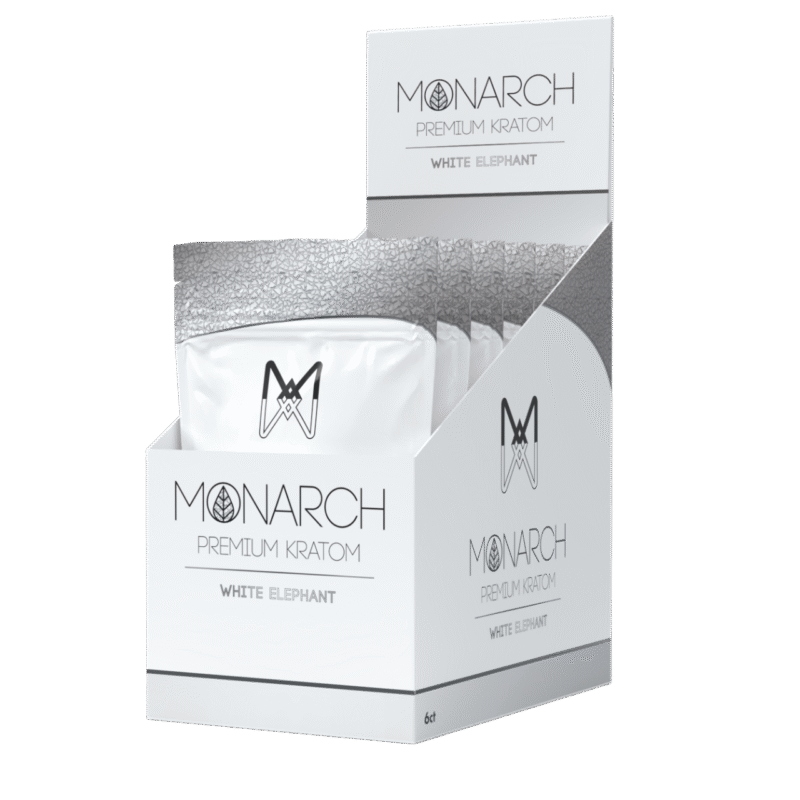
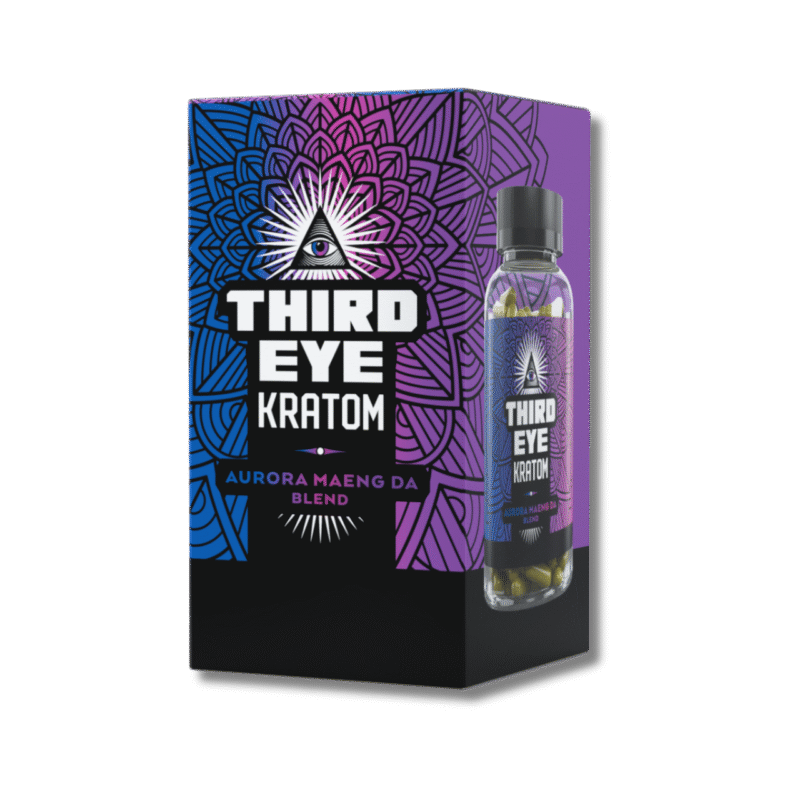
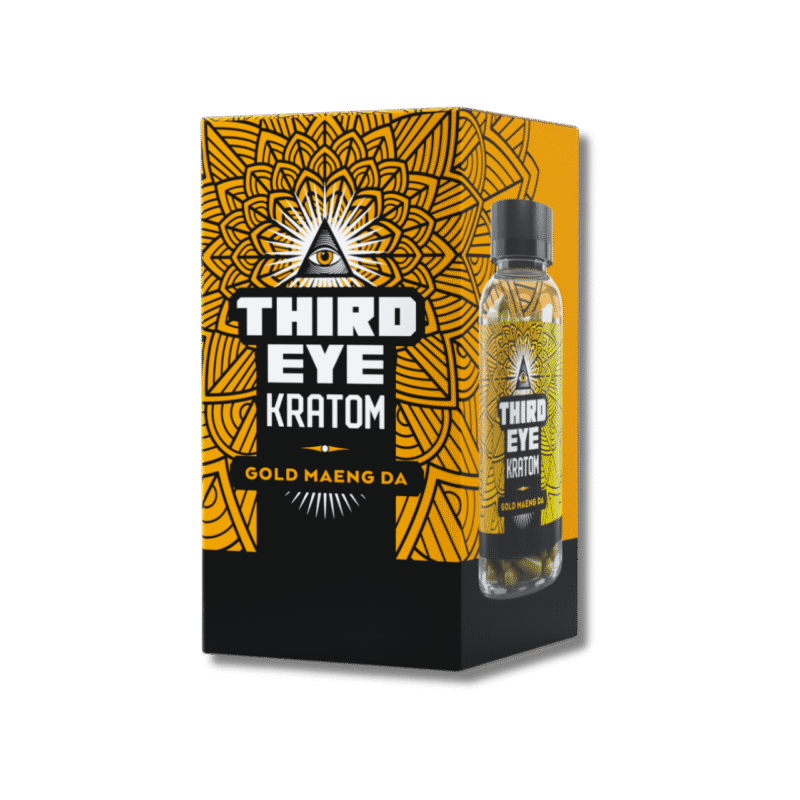
The popularity of Kratom has developed an enormous market with various vendors, product varieties and prices. Although most of the buyers are tempted to buy the cheapest one found online, the low costs of Kratom, in most cases, carry some concealed dangers, which most buyers don’t notice until after it has been too late.
The quality of Kratom can differ radically based on the methods of growing it, harvesting, processing and storage. What seems to be cheap products might be grown or even dried or even using equipment that is not clean. These phenomena can cause a great decrease in the purity of the products and their performance.
Here’s a guide to find out why cheap Kratom may be a safe and dangerous good, what quality attributes that you should consider, and how you can be sure that you are buying a safe, reliable, and worth-it product.
Understanding Kratom And Its Growing Market
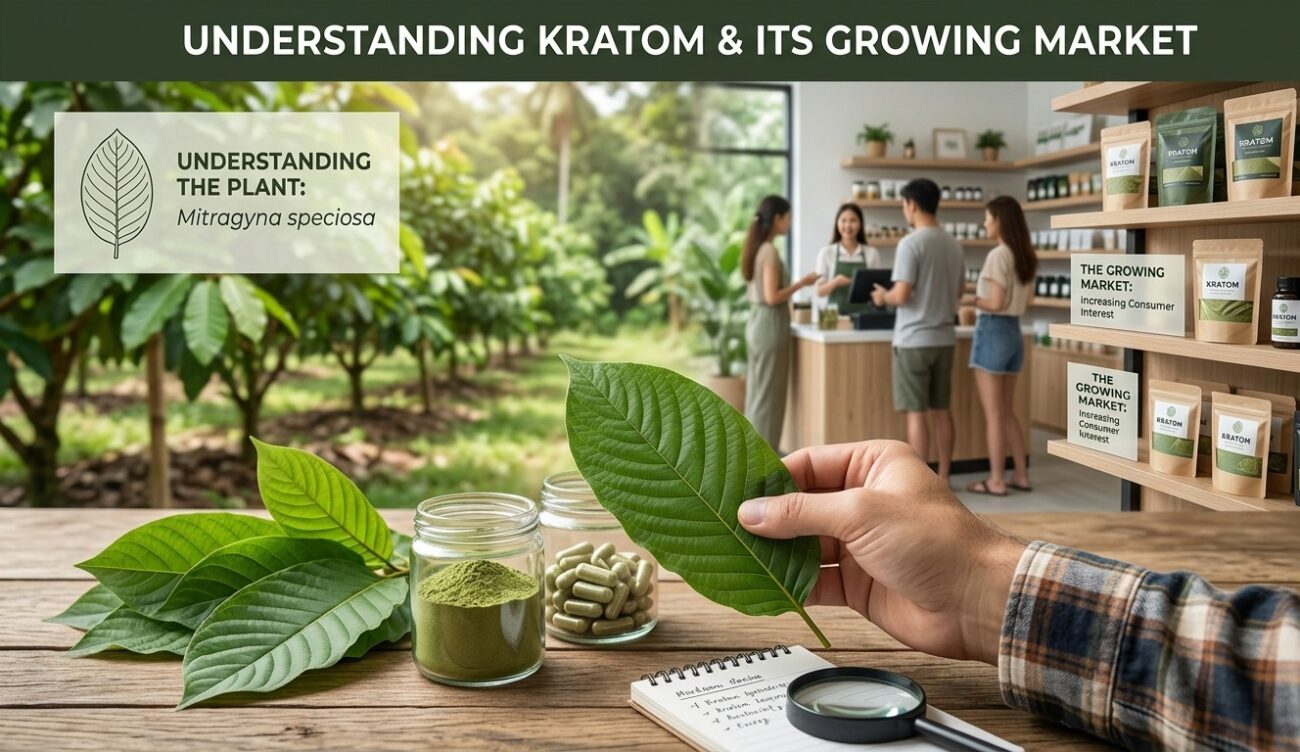
Kratom is a derivative of leaves of the trees of mitragyna speciosa, which grow in southeast Asia. Since the times immemorial, Kratom leaves have been used by the inhabitants of such areas as Indonesia, Thailand, and Malaysia as traditional remedies.
Today, Kratom is sold worldwide in several forms:
- Powder
- Capsules
- Extracts
- Tablets
- Liquid shots
Why Cheap Kratom Often Means Poor Quality?
Low prices rarely appear without a reason. The vendors that offer Kratom at prices that are considerably lower than the market average tend to lower production costs in a manner that impacts on the quality of the product.
The most widespread cost-reduction techniques are:
- Older or worn out leaves were used
- Poor drying techniques
- Lack of laboratory testing
- Improper storage conditions
- Mixing batches from different harvests
These practices can lead to products that are inconsistent, ineffective, or contaminated.
The Hidden Risks Of Cheap Kratom
While saving money might feel appealing, purchasing low‑priced Kratom can expose consumers to several potential risks.
Contamination Issues
One of the biggest concerns with cheap Kratom is contamination. When leaves are harvested and processed without proper sanitation, they can pick up harmful substances.
Possible contaminants include:
- Bacteria
- Mold
- Pesticides
- Heavy metals
- Dust and environmental debris
Poorly maintained processing facilities increase the chances that these impurities will enter the final product.
Consumers often assume all Kratom products undergo quality testing, but many budget vendors skip this step to reduce expenses.
Lack Of Laboratory Testing
Responsible Kratom suppliers invest in third‑party lab testing to verify product purity and safety. This testing screens for contaminants and confirms alkaloid levels.
Cheap Kratom is often sold without any independent lab verification.
Without proper testing, buyers cannot be sure whether the product contains:
- Harmful microorganisms
- Chemical residues
- Incorrect ingredient amounts
Laboratory reports, commonly called Certificates of Analysis (COA), provide transparency that low-cost vendors frequently avoid.
Inconsistent Potency
Another issue with cheap Kratom is inconsistent potency. The strength of Kratom depends on several factors such as:
- Leaf maturity
- Soil quality
- Harvest timing
- Drying method
Low-budget suppliers often combine leaves from different farms or harvest seasons. This mixing leads to unpredictable results where one batch may feel very weak while another may feel unusually strong.
Consistency is one of the most important indicators of quality.
Improper Drying And Processing
After harvesting, Kratom leaves must be dried carefully to preserve their natural compounds. Poor drying practices can degrade the plant material.
Cheap suppliers sometimes rush this step using:
- Excess heat
- Unclean surfaces
- Outdoor drying exposed to environmental contaminants
Improper drying may result in:
- Reduced effectiveness
- Mold growth
- Loss of natural alkaloids
These issues can drastically affect the overall quality of the product.
Poor Storage Conditions
Storage plays a major role in maintaining Kratom quality. The leaves should be kept in a dry, cool, and controlled environment.
Budget vendors sometimes store Kratom in warehouses that lack proper climate control. High humidity and temperature fluctuations can degrade the plant material over time.
This deterioration can lead to:
- Reduced freshness
- Unpleasant odor
- Loss of active compounds
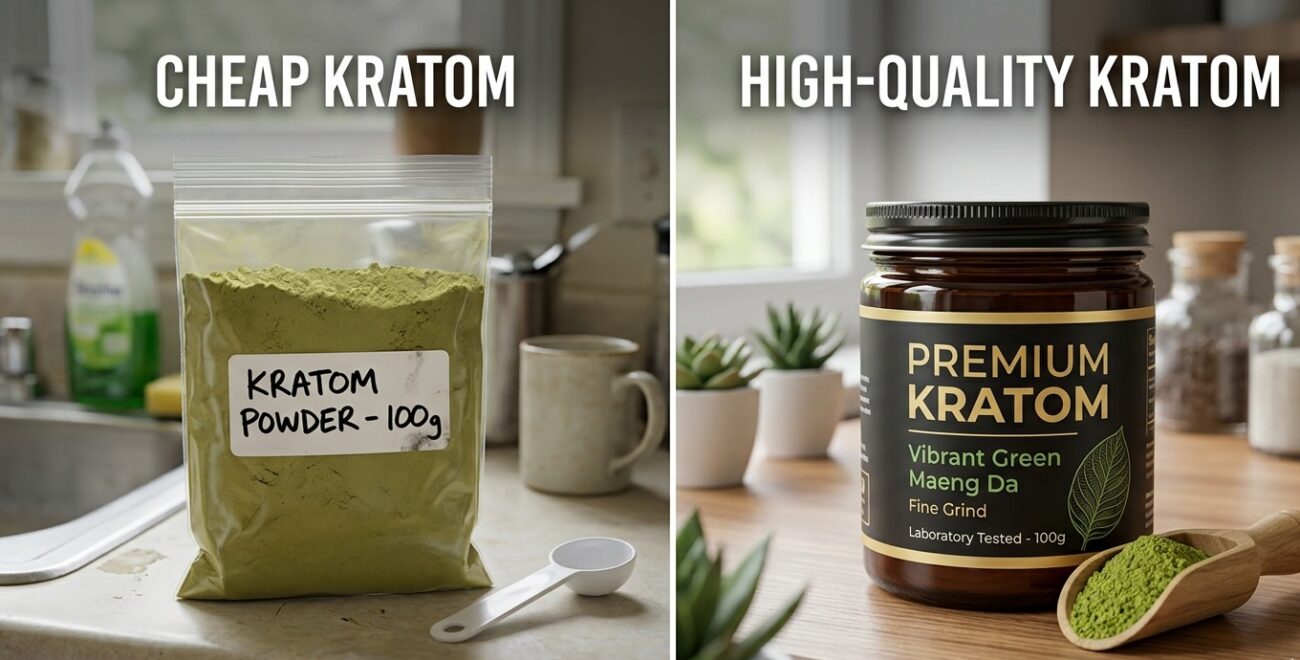
Cheap Kratom Vs High‑Quality Kratom
The following table highlights the key differences between low‑cost Kratom and premium-quality products.
| Feature | Cheap Kratom | High‑Quality Kratom |
| Source Transparency | Often unknown | Clear origin and farm information |
| Lab Testing | Rare or unavailable | Verified third‑party testing |
| Processing Standards | Minimal oversight | Strict sanitation protocols |
| Potency Consistency | Highly inconsistent | Consistent batch quality |
| Storage Conditions | Poorly controlled | Temperature‑controlled storage |
| Packaging | Generic or unsealed | Airtight and labeled packaging |
| Vendor Reputation | Often unclear | Established and trusted |
This comparison demonstrates why extremely cheap products often carry higher risks.
Signs That A Kratom Product Is Too Cheap
If a Kratom product seems far cheaper than most others on the market, it is wise to investigate further.
Warning signs include:
- Prices significantly below market averages
- No lab reports available
- Vague or missing ingredient details
- No company information
- Poor packaging quality
Responsible vendors are transparent about their sourcing and quality standards.
Types Of Kratom Products And Quality Risks
Different Kratom forms can vary in quality depending on production methods.
| Product Type | Quality Risk with Cheap Products | Premium Quality Advantage |
| Powder | Contamination from poor grinding equipment | Fine texture and tested purity |
| Capsules | Low-quality powder used inside capsules | Measured and verified contents |
| Extracts | Unregulated extraction methods | Controlled extraction processes |
| Tablets | Fillers or additives | Clean, properly formulated tablets |
Consumers should always verify product details regardless of form.
How To Identify High‑Quality Kratom?
Choosing quality Kratom requires careful research. Several indicators can help you identify reliable products.
Third‑Party Lab Testing
Always look for vendors that provide independent laboratory results. These reports should confirm:
- Absence of contaminants
- Alkaloid content levels
- Product purity
Transparency is a key sign of trustworthiness.
Clear Product Labeling
Quality products include detailed labels that show:
- Batch numbers
- Production dates
- Ingredient information
- Lab verification
Cheap products often lack this information.
Vendor Reputation
Customer feedback can provide valuable insight into product quality.
Check for:
- Verified reviews
- Transparent policies
- Established company history
Reputable vendors typically prioritize customer safety and satisfaction.
Professional Packaging
Proper packaging protects Kratom from environmental exposure. High-quality products often use:
- Airtight bags
- UV‑resistant materials
- Moisture barriers
This helps maintain freshness and potency over time.
Smart Buying Tips For Kratom Consumers
To avoid low-quality products, consider the following guidelines:
- Research vendors thoroughly
- Verify laboratory testing
- Avoid extremely low prices
- Check packaging details
- Read customer reviews
- Start with small quantities when trying a new vendor
These steps can significantly reduce the risk of purchasing poor-quality Kratom.
Buy NOMS Kratom Seltzer In Bulk – Wholesale Program
Final Thoughts
Cheap Kratom may seem like an attractive option for buyers trying to save money, but the risks often outweigh the benefits. Products sold at unusually low prices frequently lack proper testing, reliable sourcing, and consistent potency.
Choosing high-quality Kratom from reputable vendors ensures a safer and more reliable experience. By understanding the warning signs of poor-quality products and prioritizing transparency, consumers can make informed decisions and avoid unnecessary risks.
Infographic: Kratom Alkaloids – Effects, Potencies & Vein Colors
FAQs
Why Is Some Kratom Much Cheaper Than Others?
Cheap Kratom is often produced using lower-quality leaves, minimal testing, and poor processing practices. Vendors reduce costs by skipping important quality control steps.
Can Low-Quality Kratom Contain Contaminants?
Yes. Without proper laboratory testing, Kratom products may contain bacteria, mold, heavy metals, or pesticide residues.
How Can I Verify Kratom Quality Before Buying?
Look for vendors that provide third‑party lab reports, detailed product labeling, and transparent sourcing information.
Does Higher Price Always Mean Better Kratom?
Not always, but extremely low prices are usually a warning sign. Reliable vendors invest in testing and responsible sourcing, which increases costs.
What Does A Certificate Of Analysis (COA) Show?
A COA verifies laboratory testing results, including contaminant screening and alkaloid levels, ensuring product purity.