
Blog
How To Tell If Your Kratom Vendor Is Overpricing You
Let’s be honest, most of us have been there. You find a Kratom vendor, you like the Kratom product, and you just keep buying from them without ever stopping to wonder whether you’re being charged a fair price. Then one day you stumble across another vendor, see their prices, and feel that sinking feeling in your stomach. Are your vendors overpricing you?
The Kratom industry is largely unregulated, which means pricing is all over the place. There’s no universal standard, no government-set price floor or ceiling, and vendors know that loyal customers rarely shop around. That gap between what Kratom should reasonably cost and what some vendors charge? It can be surprisingly wide.
Here’s how to figure out whether your vendor is treating you fairly, or quietly cashing in on your loyalty.
Try Premium Bedrock Botanicals Kratom Products
1. You’re Paying More Than $15 Per Ounce For A Basic Strain
This is probably the quickest gut-check you can do. Standard Kratom strains Green Maeng Da, Red Bali, White Borneo are widely available and not particularly hard to source. If your vendor is charging you $18, $20, or more per ounce for a best Kratom powder with no special processing or testing claims, that’s a red flag.
Reputable mid-range vendors typically price Kratom powder somewhere between $8 and $14 per ounce, depending on quantity. Bulk pricing (250g, 500g, 1kg) should drop that per-ounce cost noticeably. If it doesn’t, you’re either paying a brand tax or your vendor is simply being greedy.
2. Bulk Discounts Are Barely There
Every legitimate Kratom vendor offers meaningful bulk savings. That’s just how the supply chain works they pay less per kilo when buying large quantities, and that saving should trickle down to you.
If a vendor sells 1 oz for $12 and their 1kg price only works out to $9 per ounce barely a 25% savings despite buying 35 times more something isn’t adding up. Compare this to vendors who routinely drop per-unit costs by 40–60% at the kilo level.
That’s the kind of pricing that reflects an honest margin, not a vendor squeezing every dollar they can.
3. They Can’t Tell You Much About Their Lab Testing
Lab testing specifically, third-party COAs (Certificates of Analysis) costs vendors money. Some vendors pass that cost to consumers transparently and charge a slight premium to cover it. That’s completely reasonable.
But some vendors are overpricing premium prices and can’t produce clear lab results. They’ll say things like “we lab test everything” without giving you an actual COA, or they’ll show a single test result from two years ago for one product out of fifty. If you’re being charged top dollar, you should be getting top transparency. Period.
Lab testing is a legitimate reason for slightly higher prices. Mystery markups are not.
4. Shipping Costs Feel Like An Extra Revenue Stream
This one sneaks up on people. A vendor prices their product competitively but then tacks on $8–$12 in shipping for a small order. Meanwhile, plenty of vendors offer free shipping on orders over $30, $40, or $50 thresholds most regular buyers hit easily.
Inflated shipping charges are one of the oldest tricks in e-commerce, and the Kratom space is no exception. Always calculate the final checkout price, not just the product price. A vendor selling Kratom powder at $10/oz with $10 flat shipping is often more expensive in practice than one selling at $11/oz with free shipping above $40.
Important Interesting Topic For you!
5. Their “Premium” Labels Aren’t Backed By Anything Concrete
“Premium,” “ultra-enhanced,” “gold reserve” these words appear constantly in Kratom marketing. Sometimes they reflect something real (enhanced organic Kratom products do involve additional processing). Often they’re just words used to justify a higher price tag.
Ask yourself: does this vendor explain why a product is premium? Do they reference alkaloid percentages, specific harvest regions, or processing methods? Or is “premium” just a label they slapped on a product to charge an extra $5 per ounce? When the marketing is vague, and the price is high, your wallet deserves a better explanation.
6. Doing a Price Comparison Takes Two Minutes
Pick three or four well-known, AKA-accredited (American Kratom Association) vendors and get the price for the same Kratom strain and quantity from each. You don’t need to buy from them, just compare. Aim for the same weight (say, 250g of Green Maeng Da powder) and check:
- Base Kratom product price
- Any applicable discount codes (most vendors have them)
- Shipping cost to your zip code
- Whether they publish third-party lab results
This exercise takes about ten minutes and can save you a surprising amount of money over a year’s worth of purchases.
Read Our Certificate Of Analysis!
Conclusion
Loyalty to a vendor you trust is a good thing, but blind loyalty is expensive. The Kratom market has plenty of honest vendors who offer fair pricing, transparent lab results, and genuine customer service. If your current vendor can’t meet that standard, you’re not stuck. Shop around, ask questions, and don’t be afraid to vote with your wallet.
FAQs
What Is A Fair Average Price For Kratom Powder This Year?
For standard Kratom strains in powder form, $8–$14 per ounce is a reasonable range depending on quantity and vendor. Enhanced or Kratom extract products will naturally cost more due to additional processing.
Is More Expensive Kratom Always Of Better Quality?
Not at all. Price in the Kratom market often reflects branding, marketing costs, and vendor margins more than product quality. Always look for COAs rather than assuming price equals quality.
What is an AKA-accredited vendor?
The American Kratom Association (AKA) runs a Good Manufacturing Practices (GMP) program that accredits vendors who meet specific standards for safety, testing, and labeling. Buying from an accredited vendor adds a layer of accountability to your purchase.
Our Related Blogs
Our Products
-
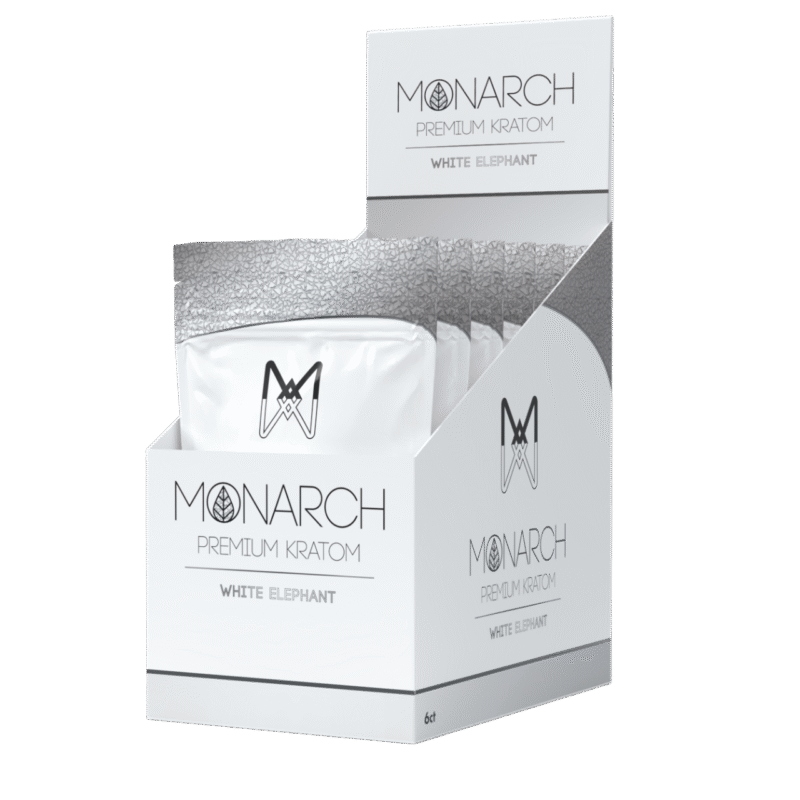 Monarch: White Elephant
$4.99 – $129.99Price range: $4.99 through $129.99
Monarch: White Elephant
$4.99 – $129.99Price range: $4.99 through $129.99
-
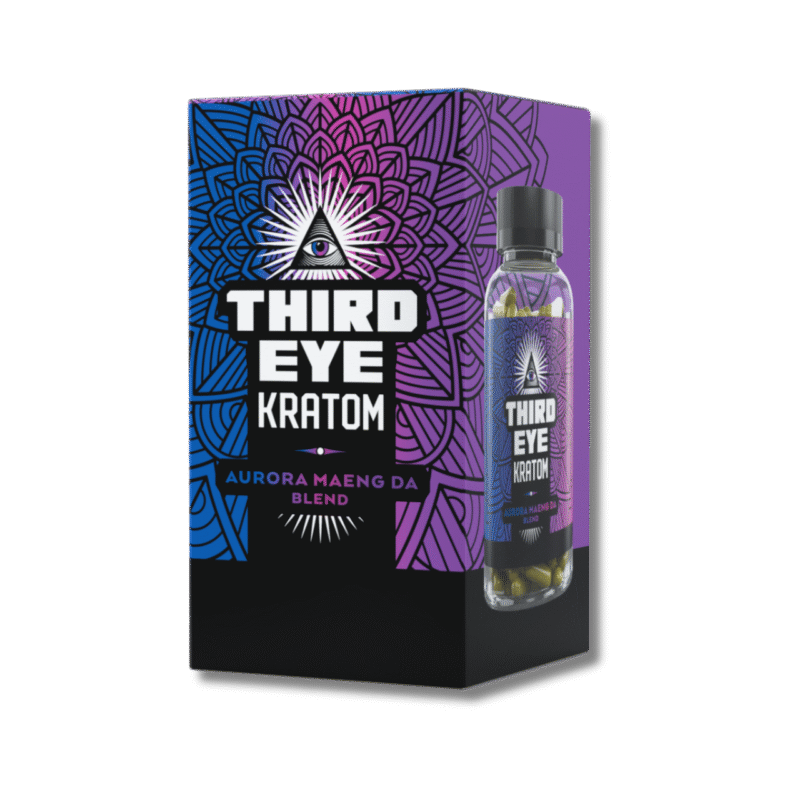 Third Eye: Aurora Maeng Da (Capsules)
$3.99 – $33.99Price range: $3.99 through $33.99
Third Eye: Aurora Maeng Da (Capsules)
$3.99 – $33.99Price range: $3.99 through $33.99
-
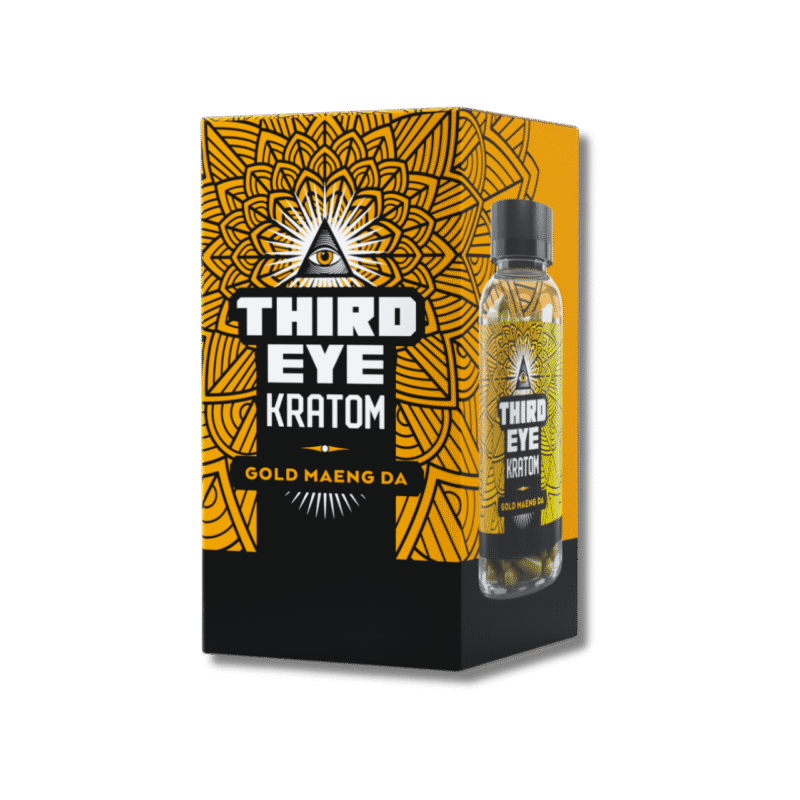 Third Eye: Gold Maeng Da (Capsules)
$3.99 – $33.99Price range: $3.99 through $33.99
Third Eye: Gold Maeng Da (Capsules)
$3.99 – $33.99Price range: $3.99 through $33.99