
Blog
How to Compare Lab Reports Between Kratom Vendors
FAQs Yes, but compare them carefully. Check the units, analytical…
When shopping for Kratom, a product page can tell you what a vendor wants you to know. A laboratory report, however, can show what an independent testing process actually measured. That makes lab reports, often called Certificates of Analysis (COAs), an important part of comparing products from different vendors. This blog will explain briefly how to compare kratom lab reports.
However, not all lab reports provide the same level of useful information. One vendor may publish a recent report for a specific batch, while another may display an old document with no clear connection to the product currently being sold.
Learning how to read these documents helps you make a more informed comparison based on testing transparency, batch identification, laboratory information, testing scope, and reported results rather than relying only on marketing language.
Kratom Foam: Is It Normal Or a Cause For Concern?- Bedrock Botanicals
What Is a Kratom Lab Report?
A Kratom lab report is a document produced by a laboratory after analyzing a sample. Vendors may refer to it as a Certificate of Analysis, COA, laboratory certificate, analytical report, or third-party test report.
Depending on the laboratory and testing package, a report may contain information about:
- Mitragynine and other measured alkaloid concentrations
- Heavy metals or elemental contaminants
- Microbial testing
- Yeast and mold
- Certain bacterial organisms
- Pesticide screening
- Identity testing
- Moisture or other physical characteristics
- Sample identification
- Testing dates
- Laboratory methods
- Reported limits or specifications
The exact testing panel varies considerably between vendors.
This is why simply seeing the words “lab tested” on a product page is not enough. The useful question is: What was tested, when was it tested, by whom, and can the report be connected to the product being sold?
Why Should You Compare Lab Reports Between Vendors?
Comparing COAs can help you distinguish meaningful testing from vague quality statements.
Two vendors might both advertise their Kratom as “premium,” “clean,” or “high quality.” Those descriptions are marketing terms unless supported by appropriate evidence.
For example, consider two hypothetical vendors:
Vendor A provides:
- A current report
- Batch number
- Product name
- Collection date
- Testing date
- Laboratory name
- Alkaloid analysis
- Heavy-metal screening
- Microbial testing
Vendor B provides:
- “Third-party tested” statement
- No batch number
- No testing date
- No laboratory information
- No downloadable report
Even without making a judgment about either product, Vendor A provides considerably more information for evaluation.
Buy Red Bali Kratom Online | Capsules & Powder
What Should You Check First on a Lab Report?
Before examining individual numbers, start with the report’s basic identification information.
1. Product Name
The report should identify the material tested.
Look for information such as:
- Product name
- Strain or product designation, if applicable
- Kratom Powder, Kratom Capsule, Kratom extract, or another form
- Internal sample identification
The product description should make sense alongside the product you are researching.
2. Batch or Lot Number
The batch number is one of the most important details to check.
A batch or lot number creates a connection between the laboratory sample and a particular production lot.
Ideally, the number on the COA should correspond with the batch or lot information on the product packaging or vendor’s product listing.
If the vendor provides a report but you cannot determine which batch it represents, ask:
“Does this COA apply to the batch currently being sold?”
That simple question can reveal a major difference between transparent testing and generic marketing material.
What Is the Difference Between “Pass” and an Actual Result?
A laboratory report may contain both numerical results and a conclusion such as:
- Pass
- Meets specification
- Complies
- Within limits
A pass/fail statement is convenient, but the underlying numerical data is usually more informative for comparison.
Does a Lab Report Prove That a Vendor Is Reliable?
No.
A COA is evidence about a specific tested sample. It does not automatically establish the overall reliability of a company.
A broader vendor comparison should also consider:
- Batch-specific documentation
- Testing frequency
- Laboratory identity
- Transparency
- Product labeling
- Manufacturing information
- Whether reports are easy to verify
- Whether the company explains its testing process clearly
One excellent COA does not necessarily prove that every batch receives identical testing.
Likewise, one missing COA does not by itself prove that a product is poor quality.
Can Two Different Labs Produce Different Results?
Yes.
Differences can occur because laboratories may use different:
- Analytical methods
- Instruments
- Sample preparation procedures
- Detection limits
- Reporting conventions
- Reference standards
- Units
This means you should be cautious when comparing one number from Laboratory A directly against one number from Laboratory B.
First check whether the tests are actually comparable.
How Often Should Vendors Test Kratom?
There is no single testing frequency that automatically makes one vendor superior.
A useful question is whether testing appears to be consistent and connected to production batches.
For example, a vendor may provide:
- Batch-specific COAs
- Regular testing
- Updated reports
- Traceable lot numbers
- Multiple testing categories
That gives consumers more information than a vendor that publishes one generic report indefinitely.
What Makes a Strong Kratom Lab Report?
A useful report typically has several characteristics:
Clear Identification
You can determine what material was tested.
Traceability
The report connects to a batch or lot.
Recent Information
The testing date is clear and relevant to the product being sold.
Named Laboratory
The testing facility is identified.
Defined Methods
The report explains or references analytical methods.
Broad Testing Scope
The report may cover multiple relevant quality categories rather than only one measurement.
Numerical Results
The document provides actual analytical data instead of relying entirely on marketing language.
Clear Units
Results use identifiable units that allow meaningful interpretation.
Detection Limits
Where relevant, the report indicates reporting or detection thresholds.
Professional Documentation
The report includes information such as a report number, dates, laboratory details, and authorization.
Important Interesting Topic For you!
Where To Find Lab-Tested Kratom?
If you want to compare Kratom products using laboratory documentation, start with vendors that make batch-specific COAs or third-party laboratory reports available. A transparent vendor should clearly identify which product and batch the report covers instead of relying only on a “lab tested” statement.
Bedrock Botanicals provides laboratory testing information for its Kratom products, allowing customers to review available testing documentation and understand what has been analyzed. When reviewing these reports, use the same criteria discussed throughout this guide. Check the product name, batch or lot number, testing date, laboratory information, testing methods, testing scope, and reported results.
Remember that “lab tested” is not the same as providing detailed, verifiable laboratory documentation. A useful COA should give you enough information to understand what was tested and how the results relate to the product being sold.
Final Thoughts: Compare Evidence, Not Marketing
Knowing how to compare lab reports between vendors makes it easier to evaluate Kratom products based on documentation rather than promotional language.
Most importantly, don’t treat a laboratory report as an FDA approval or as proof of medical benefits. FDA states that it does not approve dietary supplements for safety and effectiveness, and its published information on Kratom includes laboratory testing and regulatory concerns.
FDA Disclaimer: Kratom has not been evaluated by the FDA for the diagnosis, treatment, cure, or prevention of any disease. This content is for educational purposes only and does not constitute medical advice. Always review applicable laws and regulations in your location before purchasing or using Kratom.
FAQs
Should I Choose The Kratom Vendor With The Highest Alkaloid Result?
Not necessarily. A higher reported concentration does not automatically mean a product is better.
How Old Should a Kratom Lab Report Be?
There is no universal age that automatically makes a report valid or invalid. A report connected to a current batch is generally more informative than an old report with no connection to the product currently being sold.
Can I Compare COAs From Two Different Laboratories?
Yes, but compare them carefully. Check the units, analytical methods, detection limits, testing dates, and testing scope before comparing numerical results directly.
Our Related Blogs
Our Products
-
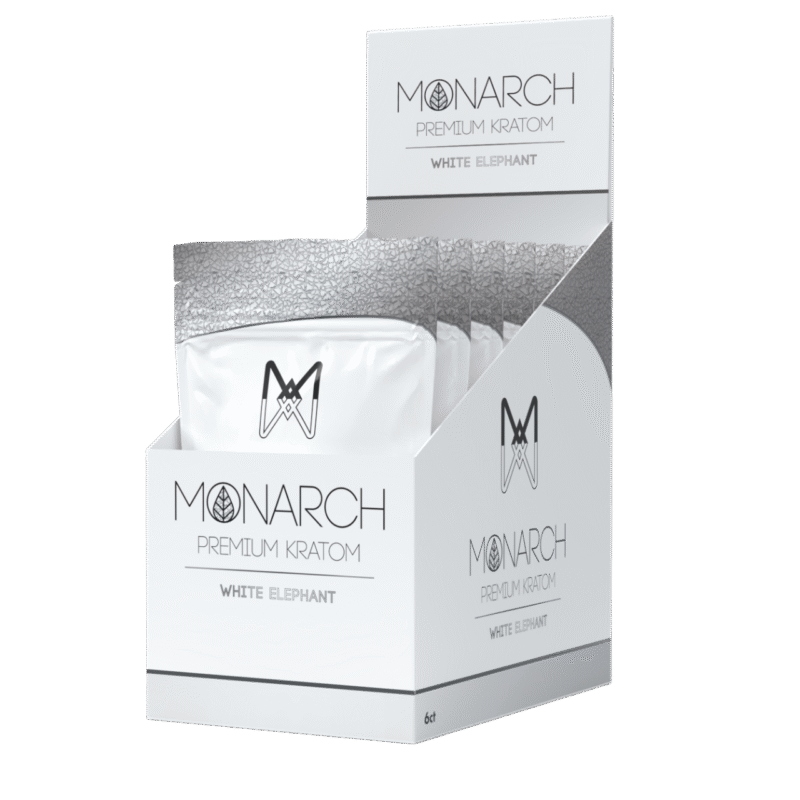 Monarch: White Elephant
$4.99 – $129.99Price range: $4.99 through $129.99
Monarch: White Elephant
$4.99 – $129.99Price range: $4.99 through $129.99
-
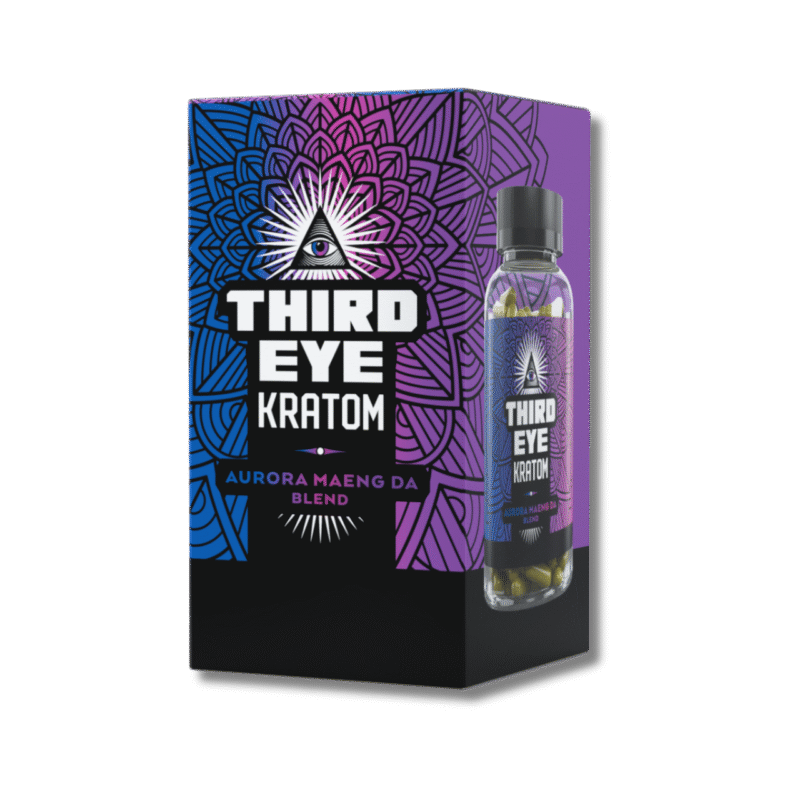 Third Eye: Aurora Maeng Da (Capsules)
$3.99 – $33.99Price range: $3.99 through $33.99
Third Eye: Aurora Maeng Da (Capsules)
$3.99 – $33.99Price range: $3.99 through $33.99
-
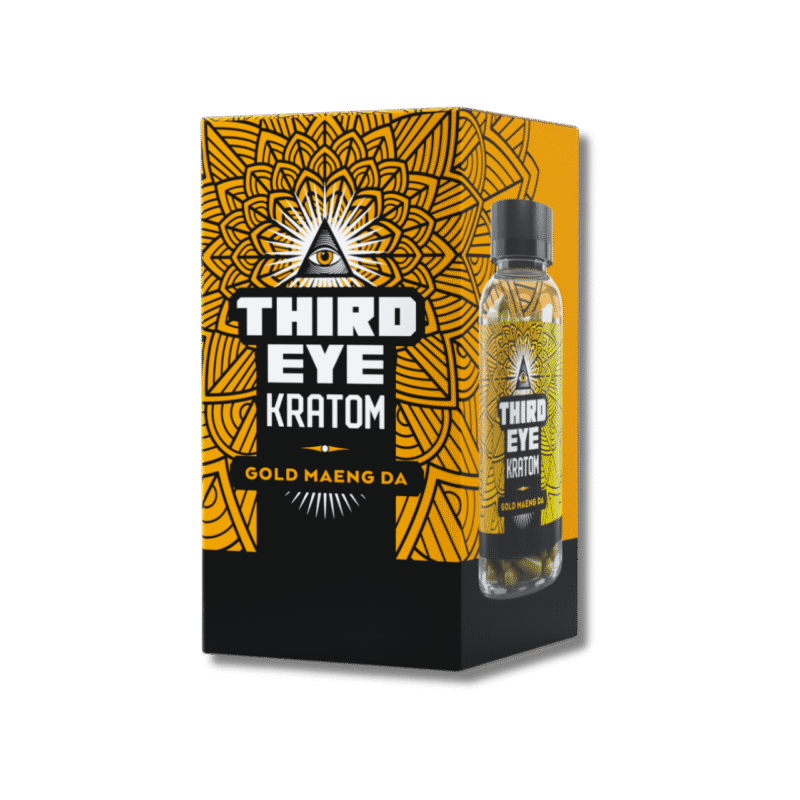 Third Eye: Gold Maeng Da (Capsules)
$3.99 – $33.99Price range: $3.99 through $33.99
Third Eye: Gold Maeng Da (Capsules)
$3.99 – $33.99Price range: $3.99 through $33.99