
Blog
What Is Kava? Origin, Noble vs Tudei, Forms and How to Buy
Kava is the root of Piper methysticum, a member of the pepper family that farmers in northern Vanuatu domesticated roughly 3,000 years ago. The root is ground, mixed with water and strained into a traditional drink shared across the South Pacific. Today it is sold as root powder, extracts, ready-to-drink shots like Kava Kazees, and sparkling seltzers like Ava Kava. Published by Bedrock Botanicals.
What is kava, exactly?
Kava is a slow-growing perennial shrub in the Piperaceae family, the same family as black pepper. Its wild ancestor is Piper wichmannii. Cultivated kava is sterile, so every plant is grown from cuttings, and Pacific farmers have selected hundreds of cultivars this way. The harvested part is the root and rhizome, usually after about four years. The name comes from Tongan and Marquesan and means roughly “bitter.” Source: Kava, botanical summary.
Where does kava come from?
| Region | Local name | Traditional setting |
|---|---|---|
| Vanuatu | Kava / malok | The nakamal, a village meeting house |
| Fiji | Yaqona | Sevusevu, the presentation of bundled roots as a gift |
| Samoa | ʻAva | Ceremonial welcomes |
| Hawaii | ʻAwa | Cultural observances |
| Pohnpei | Sakau | Root pressed with hibiscus bark |
What are kavalactones?
Kavalactones are the compounds labs measure in kava root. Eighteen have been identified; six make up most of the total: kavain, dihydrokavain, methysticin, dihydromethysticin, yangonin and desmethoxyyangonin. Labs often report them as a six-digit “chemotype” that ranks them by abundance. Shot labels often list kavalactone milligrams; see what are kava shots for how to read them.
Kava Kazees kava shots and Ava Kava seltzers. 21+ only.
What is the difference between noble and tudei kava?
Noble kava refers to cultivars Pacific communities have long favored for everyday drinking. Tudei (“two-day”) kava refers to other cultivars, which Vanuatu reserves for ceremonies and does not allow to be exported. Vanuatu’s Kava Act of 2002 limits exports to noble cultivars such as Borogu, Melomelo and Palarasul. Look for “noble” and “root only” on the label, backed by a lab test. Source: PHAMA Plus on the kava export industry.
Is kava legal in the United States?
Kava is not a controlled substance under federal law; the DEA’s fact sheet confirms it is not scheduled (DEA Diversion Control Division). Rules abroad vary: Germany’s 2002 ban was overturned in 2014, and Australia raised its personal import limit to 4 kg in December 2019. Products that blend kava with kratom follow kratom law; see kratom legality by state.
What forms of kava can you buy?
| Format | What it is | Prep |
|---|---|---|
| Root powder | Ground dried root | Kneaded in water, strained |
| Kava shot | 2–4 oz liquid extract | None |
| Kava seltzer | 12 oz sparkling can | None |
| Capsules | Powder or extract in a capsule | None |
Comparing kava with kratom? See kratom vs kava for plant, origin, formats and legal status side by side.
How do you judge kava quality before buying?
- Cultivar: “noble,” ideally with cultivar and country of origin.
- Plant part: root and rhizome only.
- Lab testing: a COA with kavalactone content and contaminant screening.
- Transparency: source country named and batch numbers on the package.
Frequently asked questions
What part of the kava plant is used?
The root and rhizome. Leaves and stems are excluded from quality kava under Pacific export rules.
Where is the best kava grown?
Vanuatu and Fiji are the largest producers. Vanuatu is kava’s place of origin and exports only noble cultivars under its Kava Act.
What does noble kava mean?
It means the kava comes from cultivars long favored for everyday drinking in the Pacific, as opposed to tudei cultivars, which Vanuatu does not export.
Is kava a controlled substance in the U.S.?
No. The DEA confirms kava is not scheduled under the Controlled Substances Act. Verify your local law before ordering.
What does kava taste like?
Earthy, peppery and bitter. The word kava traces to a Polynesian word for bitter.
Shop Kava Kazees shots, Ava Kava seltzers and the full kava lineup. 21+.
Must be 21 or older to purchase. These statements have not been evaluated by the FDA. These products are not intended to diagnose, treat, cure, or prevent any disease. Verify your current local law before ordering.
Published by Bedrock Botanicals.
Our Related Blogs
Our Products
-
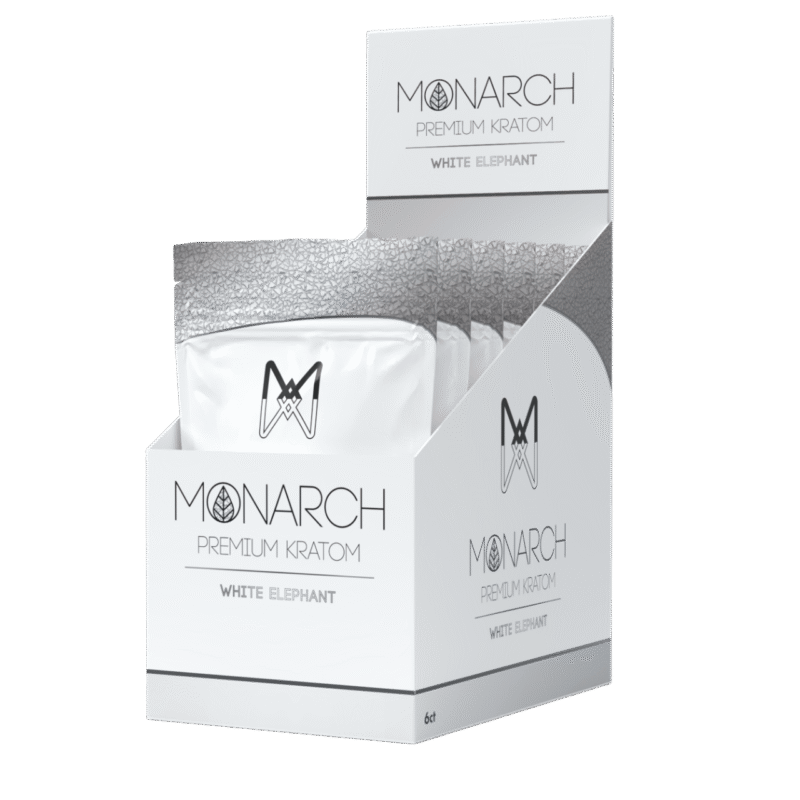 Monarch: White Elephant
$4.99 – $129.99Price range: $4.99 through $129.99
-
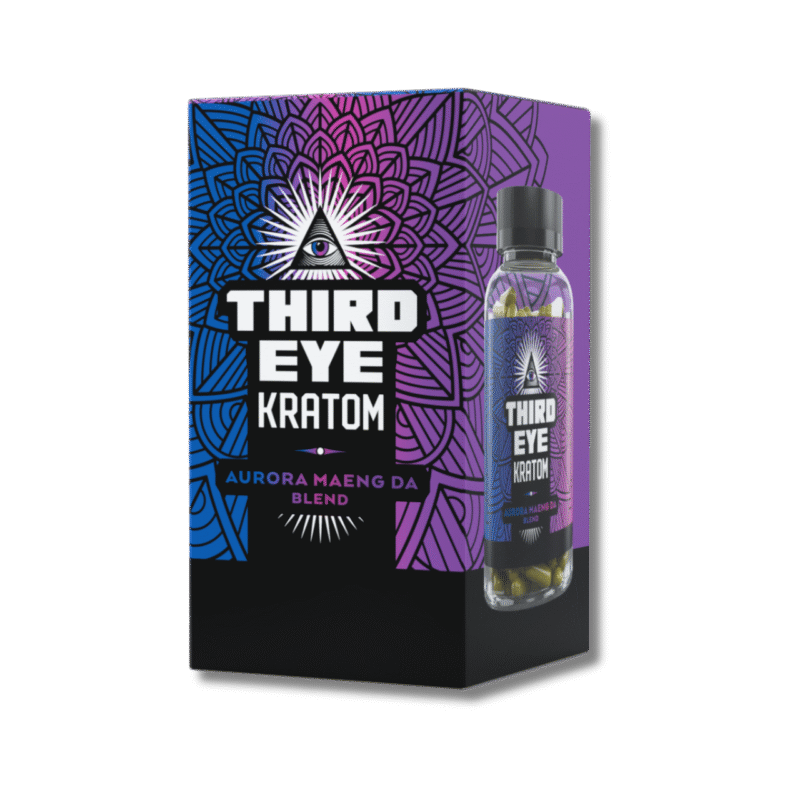 Third Eye: Aurora Maeng Da (Capsules)
$3.99 – $33.99Price range: $3.99 through $33.99
-
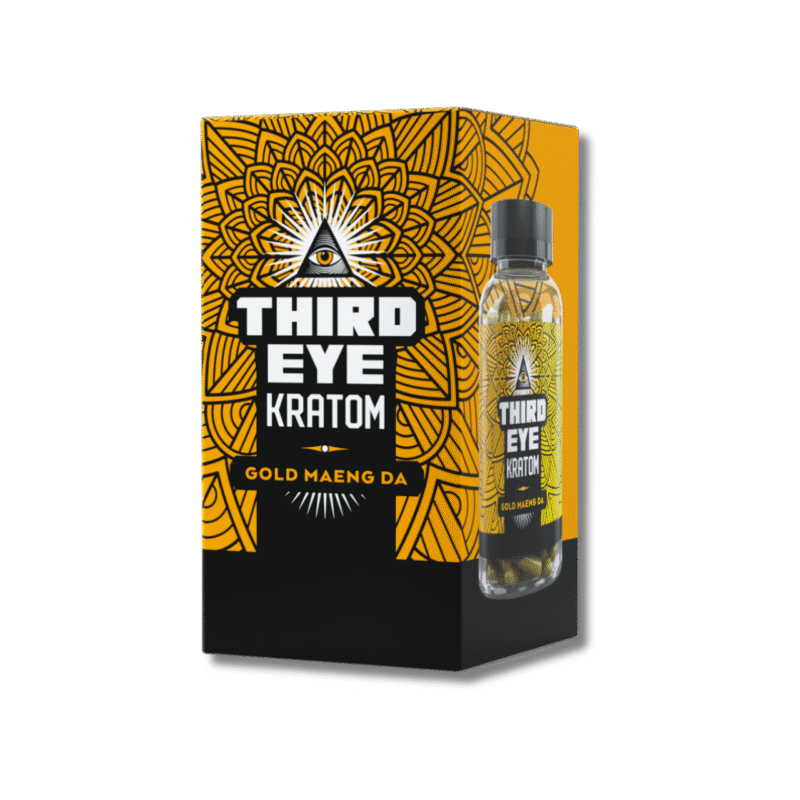 Third Eye: Gold Maeng Da (Capsules)
$3.99 – $33.99Price range: $3.99 through $33.99