
Blog
Kavalactones vs Kava Extract: How to Read a Kava Label
Worked example: Kava Kazees Kava Shot, 1000mg kavalactones.
Quick answer: Kava extract and kavalactones are different measurements. “Kava extract (mg)” is the total weight of concentrated kava material. “Kavalactones (mg)” is the weight of kava’s measured compounds inside it. Extracts are typically standardized to about 30% kavalactones, so 1000mg of extract is roughly 300mg of kavalactones. Always compare kavalactones to kavalactones.
What are kavalactones?
Kavalactones are the group of compounds labs measure in kava (Piper methysticum) root. According to the U.S. National Toxicology Program’s kava summary, fifteen lactones have been isolated from kava rootstock, and six of them make up about 96% of the root’s lipid resin:
- Kavain
- Dihydrokavain
- Methysticin
- Dihydromethysticin
- Yangonin
- Desmethoxyyangonin
The same source reports that kavalactones can range from about 3% to 20% of kava root dry weight, depending on the cultivar and the age of the plant. That variation is why a kava label needs a measured number, not just a root or extract weight.
What does “kava extract (mg)” mean on a label?
“Kava extract” is the total weight of the concentrated material made from the root. It includes kavalactones plus everything else the extraction carries along. The NTP summary notes that commercial kava products are typically standardized to 30% kavalactones. Using that common standard:
| Label says | What it measures | Approx. kavalactones |
|---|---|---|
| 1000mg kava extract (30% standardized) | Total extract weight | ~300mg |
| 1000mg kava root | Dried root weight (3–20% kavalactones) | ~30–200mg |
| 250mg kavalactones | Kavalactones directly | 250mg |
| 1000mg kavalactones | Kavalactones directly | 1000mg |
Three of those labels say “1000mg,” and they describe very different amounts of kavalactones. Only a label that names kavalactones tells you the number directly. For anything else, you need the extract percentage or a COA.
Kava Kazees: 1000mg of kavalactones per bottle, stated as kavalactones. Third-party lab tested, 21+.
How does Kava Kazees state its 1000mg?
Kava Kazees lists 1000mg of kavalactones per bottle. That’s the measured compound figure, not total extract weight and not root weight. It’s the same unit a lab reports on a certificate of analysis, so you can check the label against the batch COA directly. For the full product breakdown, see our Kava Kazees brand guide.
How do you compare kava products on price?
Once two labels are in the same unit, divide the price by the kavalactone content. Here are the two kava-only shots Bedrock carries, both labeled in kavalactones (prices as of October 2026):
| Product | Kavalactones per bottle | Price | Price per 100mg kavalactones |
|---|---|---|---|
| Kava Kazees | 1000mg | $12.99 | ~$1.30 |
| Tru Moods Green | 250mg | $6.99 | ~$2.80 |
If a product lists only extract or root weight, you can’t fill in that last column without the extract percentage or a lab report. Ask the seller for the batch COA before you compare.
What should a kava COA show?
A certificate of analysis is a third-party lab report for one specific batch. For a kava product, check that it shows:
- Total kavalactones, ideally with the six major kavalactones broken out
- A lot or batch number that matches the number on your bottle or can
- The testing lab’s name and the test date
- Contaminant panels (heavy metals, microbials) where the lab provides them
Our guide to reading a COA walks through a lab report section by section. It’s written for kratom, but the layout is the same.
Do kava seltzers list kavalactones?
Not always. Some canned kava drinks list kava extract or a proprietary blend instead of a kavalactone figure. If the can doesn’t name kavalactones, ask for the COA. See what kava seltzers are and what kava shots are for how each format is labeled. New to the plant? Start with what is kava.
Bedrock does not advise on how much of any product to use. Follow the product label, and ask a qualified medical professional about personal use.
Kavalactones vs kava extract FAQ
What is the difference between kavalactones and kava extract?
Kava extract is the total weight of the concentrated material made from kava root. Kavalactones are the specific measured compounds inside that extract. Commercial kava extracts are typically standardized to about 30% kavalactones, so 1000mg of extract is roughly 300mg of kavalactones.
How many mg of kavalactones are in Kava Kazees?
1000mg of kavalactones per bottle, stated as kavalactones on the label, not as total extract weight.
What percentage of kava root is kavalactones?
The U.S. National Toxicology Program reports kavalactones can range from about 3% to 20% of kava root dry weight, depending on cultivar and plant age.
How do I compare two kava products fairly?
Convert both to the same unit: milligrams of kavalactones per bottle or can. Then divide price by that number to get price per 100mg of kavalactones. If a label only lists extract or root weight, ask the seller for the batch COA.
What is a kava COA?
A certificate of analysis is a third-party lab report for a specific batch. For kava, look for a kavalactone total (often with a breakdown of the six major kavalactones) and the batch or lot number that matches your product.
Shop kava shots and seltzers: noble kava, labels stated in kavalactones where available, lab tested, 21+.
Must be 21 or older to purchase. These statements have not been evaluated by the FDA. These products are not intended to diagnose, treat, cure, or prevent any disease.
Published by Bedrock Botanicals.
Our Related Blogs
Our Products
-
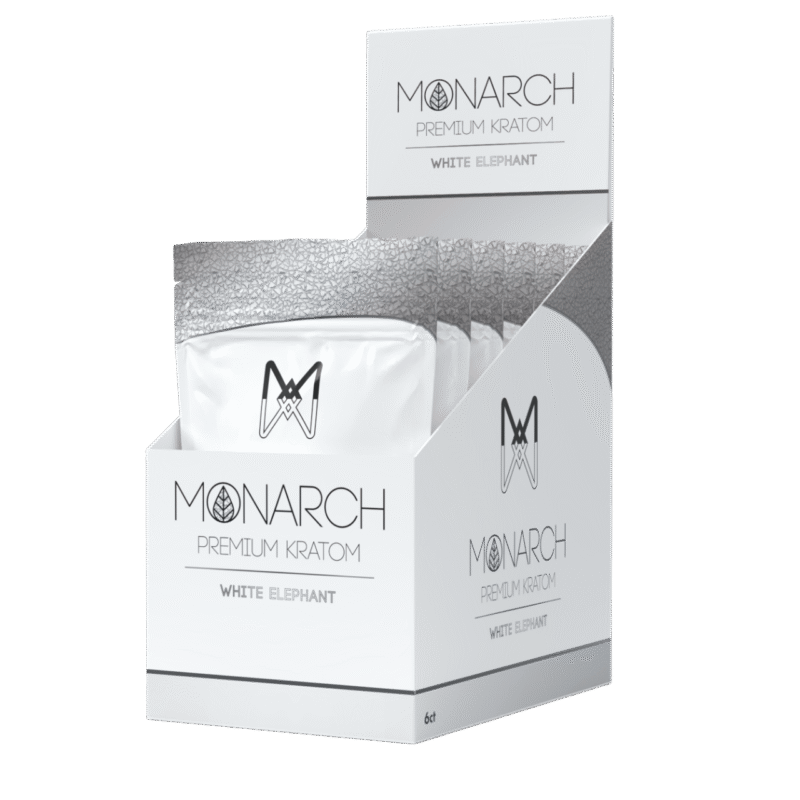 Monarch: White Elephant
$4.99 – $129.99Price range: $4.99 through $129.99
-
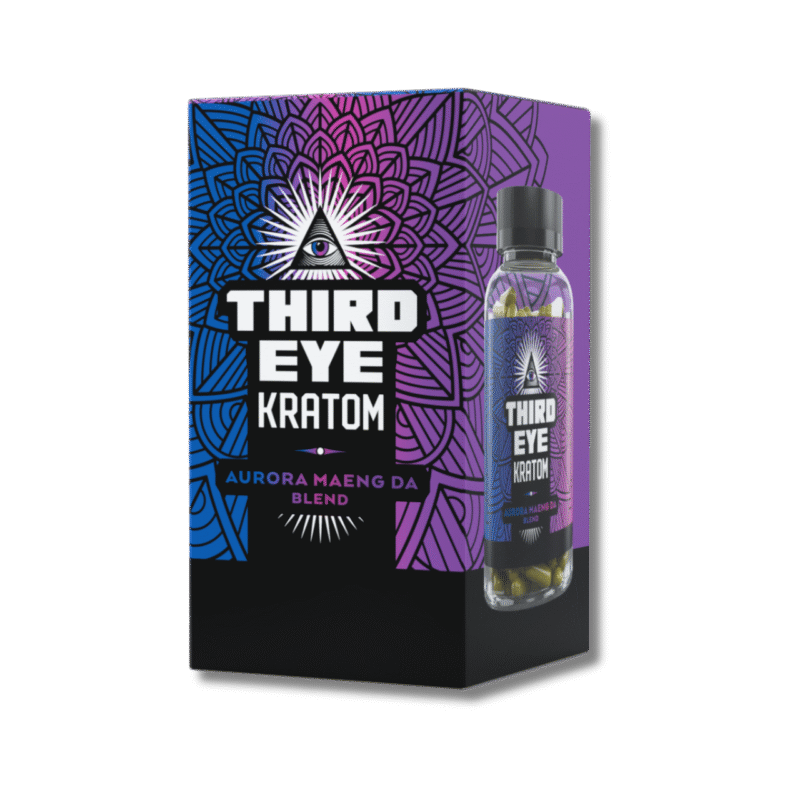 Third Eye: Aurora Maeng Da (Capsules)
$3.99 – $33.99Price range: $3.99 through $33.99
-
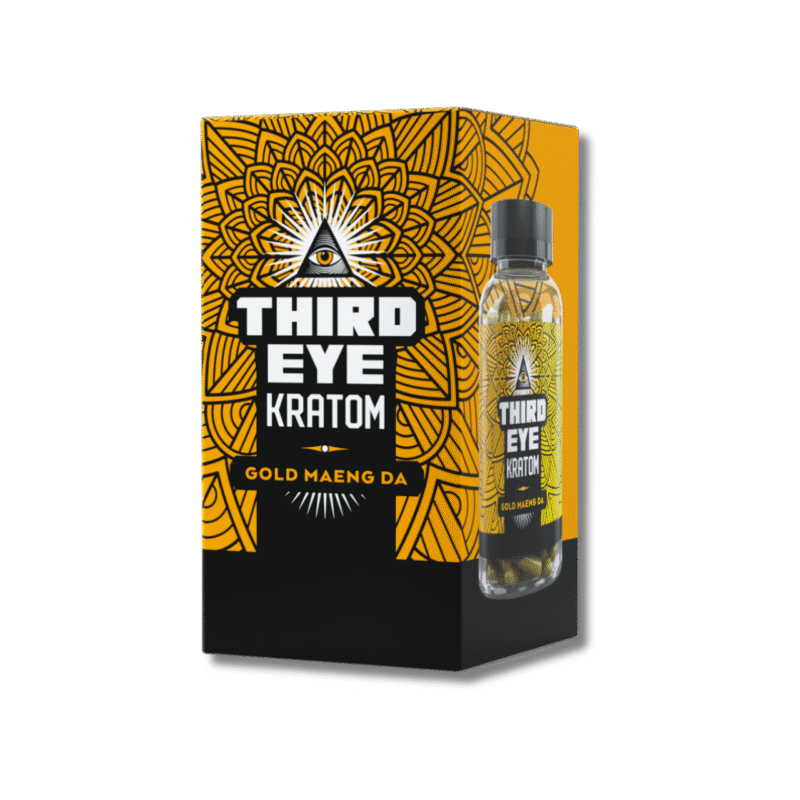 Third Eye: Gold Maeng Da (Capsules)
$3.99 – $33.99Price range: $3.99 through $33.99