
Posts by admin

How Kratom Is Tested In The USA

Over the past ten years, the Kratom market in the US has expanded quickly. Strict quality control and testing procedures are becoming increasingly necessary as customer demand increases. Since Kratom works in a semi-controlled market as opposed to regulated medicines, testing is one of the most important aspects of guaranteeing safety and confidence.
We’ll go over how Kratom is tested in the USA, what labs check for, the function of third-party verification, and how groups like the American Kratom Association are influencing industry standards in this comprehensive guide.
Recognizing The Significance Of Kratom Testing
Since Kratom is generated from plants, its quality can vary greatly based on several factors, including growth circumstances, harvesting, processing, and storage. This unpredictability makes testing crucial.
Kratom testing in the United States is mainly intended to:
- Make sure customers are safe.
- Check the purity of the product.
- Verify the potency of alkaloids
- Find adulterants or contaminants
Kratom Bedrcok Products may include dangerous materials like germs, heavy metals, or even synthetic pharmaceuticals if they are not properly tested. For this reason, in the current Kratom industry, third-party lab testing is regarded as non-negotiable.
Buy NOMS Kratom Seltzer In Bulk – Wholesale Program
The United States’ Regulation Of Kratom
The FDA does not completely regulate Kratom, in contrast to conventional dietary supplements. However, many groups keep an eye on it and have an impact on it:
- The FDA, or Food and Drug Administration
- Department of Drug Enforcement (DEA)
- Association for American Kratom (AKA)
Despite being a “drug of concern” according to the DEA, Kratom is not nationally scheduled; it is still legal in many states.
The foundation of quality assurance is now industry-led standards and independent laboratory testing due to the absence of consistent government regulation.
The American Kratom Association’s (AKA) Function
Through its GMP (Good Manufacturing Practices) program, the American Kratom Association has a significant influence on testing standards.
The AKA GMP Program: What Is It?
A voluntary certification system, the AKA GMP program guarantees that suppliers adhere to stringent quality and testing protocols.
Important prerequisites consist of:
- Testing in a third-party lab for each batch
- Transparency and appropriate labeling
- Hygienic production settings
- Complete traceability from the point of sale
- Third-party audits every year
To maintain accreditation, vendors must pass independent inspections and continue to comply.
In the Kratom sector, this curriculum is now regarded as the best.
How Kratom Is Tested In The USA: A Step-By-Step Guide
Kratom testing is a multi-phase procedure that includes certification, laboratory analysis, and sampling. Let’s dissect it in detail.
1. Sampling In Batches
Manufacturers gather representative samples from every batch of Kratom before testing starts.
- A lot number is given to each batch.
- Samples are collected in a controlled environment.
- Ensuring the sample accurately represents the full batch is the aim.
Sampling must be done appropriately; otherwise, Kratom test findings could not adequately reflect the product.
2. Laboratory Testing By Third Parties
Testing by independent labs like G2 Analytical or ACS Laboratory is the most important stage.
These laboratories assess the purity and safety of Kratom using sophisticated analytical methods.
The Significance Of Third-Party Testing
- Removes manufacturers’ prejudice
- Yields unbiased, verified results
- Increases customer trust
Reputable suppliers frequently utilize many laboratories to ensure accuracy and verification.
Important Kratom Test Types
In the USA, Kratom testing usually falls into a few categories:
1. Testing Alkaloid Profiles
The amounts of the active ingredients in Kratom are measured by this test:
- 7-hydroxymitragynine
- Mitragynine
The strength and effects of the substance are determined by these alkaloids.
Common Ranges:
- 1.0% to 2.0% of mitragynine
- 7-OH: Minimal quantities
This testing guarantees that the product is genuine and undiluted.
2. Microbiological Examination
One of the main issues with safety is microbial contamination.
Labs Check For:
- Salmonella
- E. Coli
- Mold, yeast,
- Coliform bacteria
If these infections are present, they can result in severe sickness.
These microorganisms are frequently found using standard techniques such as AOAC testing procedures.
3. Testing For Heavy Metals
This Kratom test kit is crucial because the Kratom plants may absorb metals from the soil.
Typical metals examined:
- Lead
- Arsenic
- Mercury
- Cadmium
For levels to be deemed safe, they must be below FDA food safety limits.
4. Screening For Adulterants
This sophisticated exam looks for:
- Artificial opioids
- Prescription medications
- Additional foreign materials
These Kratom test strips are essential for protecting consumers because adulteration is uncommon yet hazardous.
5. Testing For Pesticides And Residual Solvents
While less often, some laboratories additionally check for:
- Chemical leftovers
- Pesticides used in agriculture
This guarantees that there is no exposure to dangerous chemicals in the products.
The Proof Of Testing Is The Certificate Of Analysis (COA)
Labs provide a Certificate of Analysis (COA) following testing.
A COA consists of:
- Name and qualifications of the lab
- Lot or batch number
- Results of the test (detailed values)
- Status: pass/fail
- Date of testing
COAs can be used by customers to confirm:
- Genuineness
- Security
- Potency
Transparency via COAs is seen as a crucial sign of a reliable supplier.
How Frequently Is Kratom Tested?
In respectable U.S. operations:
- Each batch is examined separately.
- Batches that don’t work are thrown away or destroyed.
- Results are often updated.
This lowers the possibility of contamination and guarantees constant quality.
Standards For Manufacturing And Quality Control
Testing is just one aspect of the problem. It complements GMP, or good manufacturing practices.
GMP Consists of:
- Facilities that are regulated and clean
- Appropriate storage circumstances
- SOPs, or standard operating procedures
- Training for employees
- Maintaining documentation and traceability
These procedures guarantee the safety of Kratom before, during, and following testing.
Problems With Kratom Testing In The United States
The industry continues to encounter obstacles despite advancements:
1. The Absence Of Federal Regulation
There isn’t a national standard for testing, which results in:
- Variability in the quality of Kratom tests
- Unreliable vendor procedures
2. False Or Deceptive Laboratory Results
Some suppliers might:
- Utilize out-of-date COAs
- Give general reports.
- Steer clear of independent testing
Discussions in the community bring up issues with openness and the veracity of lab results.
3. Testing Expenses
Extensive testing is costly, which might
- Don’t include smaller vendors
- Result in quality control shortcuts
4. Complexity Of The Supply Chain
Since Kratom is imported from Southeast Asia, it is challenging to regulate:
- Farming methods
- Risks of first contamination
How Customers Can Confirm Tested Kratom
Look for the following to be sure you’re purchasing safe Kratom:
Essential Signs
- Independent laboratory testing
- Current COAs (during the last six to twelve months)
- Results specific to a batch
- AKA GMP certification
Warning Signs
- No reports from the lab
- “Only internal testing”
- The same outcomes for every batch
- Refusing to divulge COAs
Kratom Testing’s Future In The United States
Kratom testing is headed in the direction of:
- Uniform federal rules
- Growing use of GMP certification
- More sophisticated testing methods
- Increased consumer education and openness
Testing procedures are anticipated to become more standardized and rigorously scientific as the sector develops.
Conclusion
In the USA, Kratom testing is a multi-layered procedure intended to guarantee consistency, safety, and purity. Although there is still no government regulation, business executives and groups like the American Kratom Association have intervened to set significant guidelines.
Every stage, from heavy metal testing to microbiological screening and alkaloid profiling, is essential to safeguarding consumers.
The lesson for purchasers is straightforward:
Always select GMP-certified, transparent, and third-party verified Kratom.
Because testing is your best assurance of quality and safety in a field where regulations are always changing.
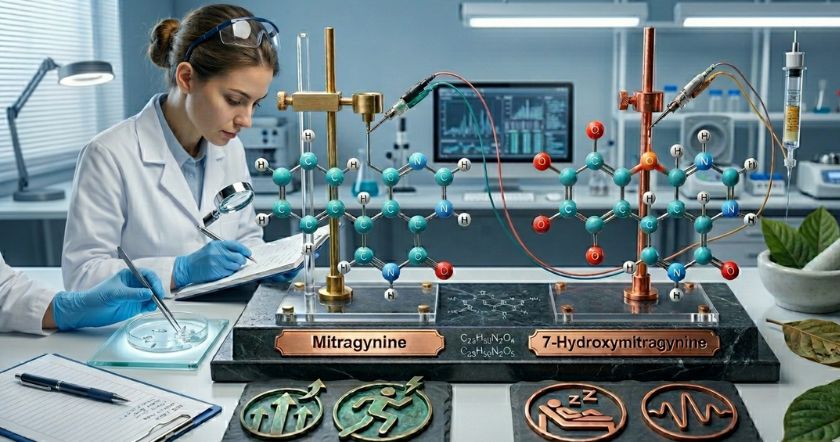
Kratom Alkaloids Explained: Mitragynine & 7-Hydroxymitragynine (7-OH)
In recent years, Kratom has drawn a lot of interest as a plant-based drug with a variety of benefits, from relaxation to increased energy. However, the real influence of healthy Kratom is found in its alkaloid profile, namely in two important compounds: mitragynine and 7-hydroxymitragynine (7-OH).
Anyone wishing to learn more about the best Kratom, whether for study, teaching, or responsible usage, must have a thorough understanding of these alkaloids. This article explains these substances, their functions, and their significance.
Alkaloids In Kratom: What Are They?
Plants naturally contain chemical molecules called alkaloids. They frequently affect human physiology, particularly the nervous system and brain. Caffeine, nicotine, and morphine are typical examples.
Although there are more than 40 known alkaloids in Kratom (Mitragyna speciosa), two predominate in its effects:
- The main alkaloid, mitragynine
- 7. Hydroxymitragynine, a secondary alkaloid with great potency
These substances affect mood, energy, and discomfort perception through their interactions with bodily receptors.
The Main Alkaloid: Mitragynine
Mitragynine: What Is It?
The most prevalent alkaloid in Kratom is mitragynine, which usually accounts for 60–70% of the total alkaloid content in dried leaves.
How It Functions
The main ways that mitragynine interacts with
- Opioid receptors (mu-receptors in particular)
- Adrenergic receptors (which impact vigilance and vitality)
But mitragynine acts differently from conventional opioids:
- Because it only partially activates receptors, it functions as a partial agonist.
- It may have sleepy effects at larger dosages and invigorating effects at lesser ones.
Consequences Of Mitragynine
Researchers and users frequently connect mitragynine with:
- Enhanced vitality and vigilance
- Increased efficiency and concentration
- Moderate discomfort alleviation
- Improvement of mood
Because of this, best Kratom strains with high mitragynine content—such as white and green Kratom strains—are frequently utilized for daytime assistance.
7-Hydroxymitragynine (7-OH): The Strong Partner
7-OH: What Is It?
Natural Kratom leaves contain extremely little 7-hydroxymitragynine (often less than 2%). It is far more powerful than mitragynine, even at low concentrations.
How It Operates
Due of its greater affinity for mu-opioid receptors, 7-OH is:
- More successful in reducing restlessness
- More closely linked to calming and sedative effects
It’s interesting to note that the body produces some 7-OH during the metabolism of mitragynine, which means that its effects may intensify after ingestion.
7-OH’s Effects
This alkaloid is associated with:
- Strong uneasiness alleviation
- Extreme relaxation
- Sedation
- Relaxing effects
Red vein Kratom and other Kratom strains with greater 7-OH content are commonly used for relaxing or night time usage.
Important Distinctions Between 7-OH F And Mitragynine
| Aspect | Mitragynine | 7-Mitragynine hydroxide |
| An abundance | 60–70% high | Minimal (<2%) |
| Influence | Average | Very strong effects |
| Effects | Mild analgesic, stimulating (low dosage) | Potent sedative and analgesic |
| Activity of Receptors | A partial agonist | More potent agonist |
| Optimal Use | Daytime, concentration, and vigor | Nighttime, unwinding, and alleviating discomfort |
The Interaction Of These Alkaloids
Mitragynine and 7-OH have a synergistic impact rather than operating independently. This implies:
- A baseline effect is produced by mitragynine (energy, mood, slight alleviation).
- 7-OH increases intensity and depth, particularly in terms of restlessness relief and relaxation.
This equilibrium illustrates how popular Kratom may feel:
- Initially stimulating, then progressively calming
- Unlike synthetic materials, which are abrupt, they are smooth and progressive.
Factors Affecting Alkaloid Levels
There is no set ratio between mitragynine and 7-OH. It may differ depending on:
1. Type Of Strain
White Vein: Increased mitragynine (more energy) in white vein Kratom
Green Vein: A balanced profile with a green vein Kratom
Red Vein: The red vein 7-OH effects that are somewhat higher (greater relaxation)
2. Maturity Of Leaves
- Younger leaves are more stimulating.
- Mature leaves are calmer and more balanced.
3. The Drying Procedure
Fermentation and sun drying can raise the concentration of 7-OH.
4. Conditions Of Storage
Time, heat, and light can change the makeup of alkaloids.
The Body’s Metabolism And Conversion
The liver’s ability to metabolize mitragynine into 7-OH is one intriguing feature of Kratom. This implies:
- Your body may create some 7-OH after consuming a substance, even if it originally contains very little.
- Over time, effects may become more severe.
This adds to the distinctive, multi-layered experience that consumers frequently describe.
Safety And Things To Think About
Despite being naturally occurring, these alkaloids are still bioactive substances that have significant effects on the body.
Crucial Things To Think About:
- Individual body chemistry, tolerance, and dosage all have a significant impact on the effects.
- High dosages may make adverse symptoms including lightheadedness, or sedation more likely.
- Long-term impacts are not entirely understood, and research is currently underway.
The secret is to utilize it responsibly and intelligently, or just to grasp the science.
Why It’s Important To Understand These Alkaloids
Understanding 7-OH and mitragynine benefits you:
- Recognize the differences in how various strains feel.
- Make decisions based on the intended outcomes.
- Recognize the intricate pharmacology of Kratom
- Keep mythology and science apart.
It is more appropriate to think of Kratom as a complex botanical system powered by alkaloid interactions rather than as a single ingredient.
Conclusion
The main components of Kratom’s actions are mitragynine and 7-hydroxymitragynine, each of which has a unique but complimentary function. While 7-OH brings depth, relaxation, and potency, mitragynine offers vitality, balance, and moderate support.
When combined, they produce the complex experience that has made Kratom so fascinating and spoken about.
Our knowledge of these substances will only grow as study goes on, assisting users, scientists, and decision-makers in navigating this special plant’s future.
FAQ’s
1. Which Alkaloids Are The Primary Active Ingredients In Kratom?
Mitragynine and 7-hydroxymitragynine (7-OH) are the two main alkaloids found in Kratom. While 7-OH is more effective and associated with relaxation and discomfort reduction, mitragynine is the most prevalent and supports energy and mood.
2. Which Is More Potent, 7-hydroxymitragynine Or Mitragynine?
Although it is present in considerably lesser concentrations in Kratom leaves, 7-hydroxymitragynine (7-OH) is far more effective than mitragynine. Its effects are more noticeable due to its higher contact with receptors.
3. Why Does Kratom Feel Calming At Larger Dosages And Stimulating At Lower Ones?
This occurs as a result of mitragynine’s interactions with various bodily receptors. Higher doses seem to boost calming and relaxing effects, mainly due to 7-OH, while lesser doses might increase alertness and vitality.
4. Is 7-Hydroxymitragynine Present In All Kratom?
Yes, but only in tiny amounts. But after taking mitragynine, the body may also produce some of it, which adds to the overall benefits of Kratom.
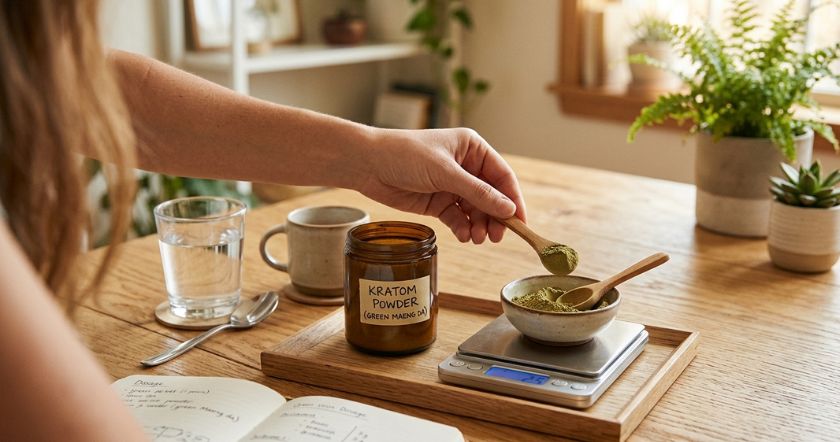
Kratom Dosage Guide For Beginners
In recent years, Kratom has been increasingly well-known as a natural herb that supports general well-being, relaxation, and vigor. However, knowing the right dose is one of the most crucial parts of utilizing Kratom safely and efficiently. Because of the variety of strains, personal tolerance levels, and intended effects, this might be bewildering to novices.
Everything you need to know about Kratom dosage will be covered in this book, from fundamental ideas to specific suggestions, so you can make wise and responsible decisions.
What Kratom Is?
Mitragyna speciosa, the formal name for Kratom, is a tropical plant that is indigenous to Southeast Asia. Alkaloids, which are active substances found in its leaves, namely mitragynine and 7-hydroxymitragynine, have intricate interactions with the body.
Understanding dose is crucial, especially for novices, as the best Kratom may have either energizing or soothing effects depending on the quantity.
The Significance Of Dosage
The effects of Kratom are very dose-dependent, which makes it special:
- Low dosages have invigorating and stimulating effects
- Moderate dosages have balanced effects, including relaxation and moderate vigor.
- High dosages provide relaxing and sedative effects.
While consuming too much might cause discomfort like dizziness, taking too little may have no discernible consequences. For this reason, novices should always start small and work their way up.
Buy NOMS Kratom Seltzer In Bulk – Wholesale Program
Factors Affecting The Dosage Of Kratom
It’s crucial to realize that there is no one-size-fits-all Kratom dose before getting into precise figures. Your body’s reaction is influenced by many factors:
1. Weight
While lighter people usually need lower dosages, heavier people could need somewhat greater ones.
2. Level Of Tolerance
Smaller dosages will work if you’re new to Kratom and have a poor tolerance.
3. The Metabolism
Kratom may be processed more quickly by a faster metabolism, which might impact intensity and duration.
4. Type Of Strain
The potency of the various strains (red vein Kratom, green vein Kratom, and white vein Kratom ) varies.
5. Kratom Form
- Kratom Powder
- Kratom Capsules
- Kratom Extracts (higher concentration)
The measurement and absorption of dose are influenced by each type.
Shop Best Kratom Strains Online
Suggested Kratom Dosage For Novices
This is a basic Kratom powder dose guide:
Minimal Amount (1-2 grams)
- Ideal for novices
- Moderate stimulation
- Enhanced awareness and concentration
- Similar to a little caffeine spike
If you’re new to Kratom, start here.
Moderate Amount (2–4 grams)
- Equilibrium effects
- A little leisure with a little vigor
- Improvement of mood
Once you know how your body responds.
High Dosage (4-6 grams)
- Strong relaxation
- Consequences of sedation
- May ease discomfort
Initially, it is not advised for novices.
Extremely High Dosage (6+ grams)
- Strong sedation
- An increased chance of adverse consequences
This range should be avoided by beginners.
Ideal Initial Dosage For Novices
If you’re brand-new:
- Begin with 1 gram
- Wait 30 to 45 minutes.
- Increase by 0.5–1 gram if necessary.
You may discover your “sweet spot” without going overboard with this methodical technique.
How To Accurately Measure Kratom
When using Kratom, accuracy is crucial.
Make Use of a Digital Scale: A gram scale is the most accurate way to measure Kratom.
Spoon Approximations (Less Precise): One teaspoon is equivalent to two to three grams.One gram, or half a teaspoon.
The density of the powder might affect spoon measures.
Various Kratom Forms And Dosages
1. Kratom Powder
- The most typical form
- Simple to quantify
- Adaptable dosage
2. Kratom Capsules
- Pre-calculated dosages
- Typically, each capsule contains 0.5–1 gram.
- Convenient, but takes longer to manifest
3. Kratom Extracts
- Extremely focused
- Considerably more powerful than powder
- Requires utmost caution.
At first, beginners should avoid extracts.
When To Take Your Dosage
The way Kratom functions can change when you take it:
Stomach Empty
- Quicker onset
- More potent effects
After Meals
- Delayed onset
- Less dramatic effects
For greater control, beginners frequently choose a light stomach.
How Frequently Should Novices Take Kratom?
The key is moderation.
- Start with one daily dosage.
- Avoid using it every day for the first few days.
- Take pauses to avoid developing a tolerance.
It’s a good idea to use Kratom two or three times a week rather than daily.
Typical Beginner Errors To Avoid
Taking Too Much Too Quickly
Many novices believe that more is better, but when it comes to Kratom, less is frequently more.
Not Enough Time Has Passed
It may take up to 45 minutes for effects to manifest. Don’t take another dose too soon.
Ignoring Hydration
Kratom may cause dehydration. Drink plenty of water at all times.
Combining Other Materials
Don’t mix Kratom with alcohol or prescription drugs without supervision.
Possible Adverse Reactions To Improper Dosage
Overdosing on Kratom can result in:
- Feeling queasy
- Lightheadedness
- Headaches
- Sleepiness
- Stomach disturb
With the right dosage, these symptoms may be prevented and are often transient.
Determining Your Optimal Dosage
The optimal dosage of Kratom varies from person to person. Here’s how to locate yours:
- Start with only one gram.
- Examine the impacts
- Gradually increase throughout time
- Maintain a dose log.
Track:
- Quantity of the dose
- Time spent
- Impacts experienced
You can improve your experience by doing this.
Variations in Dosage And Kratom Strains
White Vein
- More engaging
- Frequently calls for smaller dosages
Green Vein
- Equilibrium effects
- Moderate dosage
Red Vein
- Calm and soothing
- It is possible to utilize somewhat greater dosages.
For balance, green vein Kratom is frequently used by beginners.
Is Kratom Safe And Legal?
Every nation and area has a different legal status for Kratom, so always check local laws.
Concerning safety:
- Many people report favorable experiences when utilized appropriately.
- Unwanted consequences may result from abuse or high dosages
- Always put awareness and moderation first.
Conclusion
As a novice, determining the appropriate dosage of Kratom requires patience, mindfulness, and moderation. There is no one “perfect” dosage that works for everyone because the effects of Kratom differ depending on strain, body chemistry, and dose. Starting with a modest amount, seeing how your body reacts, then gradually adjusting until you get your optimal balance, is the safest and most efficient method.
Starting with tiny doses, usually between one and two grams, reduces the possibility of unintended side effects and allows you to learn how Kratom affects your body. Don’t make the typical error of raising your dosage too soon; instead, give the benefits ample time to manifest before thinking about increasing it.
The keys are conscious usage, correct measurement, and consistency. Over time, maintaining a happy and regulated experience can be facilitated by using a digital scale, drinking enough water, and taking frequent pauses. To guarantee safety and dependability, it’s also critical to select premium Kratom from reliable suppliers.
In the end, when utilized properly, healthy Kratom may be a helpful supplement to your wellness regimen. Respect it, pay attention to your body, and give thoughtful choices top priority. Beginners may comfortably investigate Kratom while reducing dangers and optimizing its potential advantages with the correct strategy.

How Long Does Kratom Take To Work? A Complete Timing Guide
How long does Kratom take to work? is one of the most vital questions that beginners and regular users often ask, as the plant-based properties and a wide range of effects are one of the most well-known and major facts about Kratom.
It is not as simple as a definite number. Kratom acts with the body in complicated manners and the time it takes to set in is based on digestion, metabolism, dosage, as well as the way the drug is ingested.
This comprehensive guide covers all the information you will need to know, including the time of day to take it, and how the science of Kratom in your body works.
Buy Our Top Selling Kratom Capsules
Quick Overview Of Average Kratom Onset Time
For most individuals, Kratom starts working within:
- 15 to 45 minutes (typical range)
- As fast as 10–15 minutes in some cases
- Up to 60–90 minutes for slower absorption
Full Timeline At A Glance:
- Onset: 15–45 minutes
- Peak Effects: 1–3 hours
- Total Duration: 3–6 hours (sometimes longer)
Shop Best Kratom Extracts In The Market
What Happens in Your Body After Taking Kratom?
The active compounds (alkaloids) such as the mitragynine and 7-hydroxymitragynine found in Kratom react with brain and body receptors. The interactions affect mood, physical comfort, alertness and relaxation.
Step-By-Step Process:
- Ingestion: You consume Kratom (powder, capsule, tea, or extract).
- Digestion: The body begins breaking it down in the stomach.
- Absorption: Active compounds enter the bloodstream through the digestive system.
- Circulation: These compounds travel to the brain and nervous system.
- Effect Activation: You begin to feel noticeable changes in energy, focus, or calmness.
This entire process determines how quickly Kratom starts working.
Buy NOMS Kratom Seltzer In Bulk – Wholesale Program
Detailed Timeline: Minute-By-Minute Breakdown
0–15 Minutes (Initial Phase)
- No strong effects yet
- Early digestion begins
- Some individuals may feel slight shifts in body awareness
15–30 Minutes (Early Onset)
- First noticeable changes appear
- Mild uplift in mood
- Slight reduction in physical discomfort
- Subtle energy or calmness begins
This is the stage where many users start wondering, “Is it kicking in?”
30–60 Minutes (Active Onset)
- Effects become clearer and more defined
- Increased focus or relaxation depending on type
- Enhanced mental clarity or steady calm feeling
- Body sensations become more noticeable
1–3 Hours (Peak Effects)
- Maximum intensity reached
- Strongest mind-body balance
- Deep sense of physical ease or mental clarity
- Effects are most stable and consistent
3–6 Hours (Decline Phase)
- Gradual reduction in intensity
- Effects become milder
- Smooth transition back to baseline
6+ Hours (After Effects)
- Light lingering sensations may remain
- Subtle calmness or clarity can persist
How Different Forms Of Kratom Affect Onset Speed?
The form you choose plays a major role in how quickly Kratom strains work.
Powder (Raw Form)
- Onset: 20–40 minutes
- Must be digested fully before absorption
- Most commonly used method
Capsules
- Onset: 30–60 minutes
- Slower because capsules must dissolve first
- Convenient but less efficient for fast results
Tea (Liquid Form)
- Onset: 20–30 minutes
- Faster absorption due to liquid form
- Easier on digestion
Extracts / Tinctures
- Onset: 5–25 minutes
- Fastest acting form
- Highly concentrated
Key Insight: The more processed and liquid the form, the faster it typically works.
Key Factors That Influence How Fast Kratom Works
These aspects directly influence the rate of absorption of the active compounds and when you will start feeling the effects.
Empty vs Full Stomach
This is among the most powerful effects on the activation time of Kratom.
By taking Kratom on an empty stomach, it will be digested much quicker. As there is no food competing with digestion, the active compounds are quicker absorbed into the bloodstream.
- Empty stomach: Faster onset (15–30 minutes)
- Full stomach: Slower onset (45–90+ minutes)
When food is available, particularly heavy or fatty food, the stomach will first break down that food. This slows down the absorption of Kratom and may weaken or slow down its effects.
Dosage Size
The amount you take plays a surprisingly important role in both timing and intensity.
- Lower amounts: These are absorbed more quickly, leading to a faster onset. Effects tend to feel lighter, more energizing, and clearer.
- Moderate amounts: Provide a balance between onset speed and overall experience. This is often where users find the most consistent results.
- Higher amounts: Larger quantities take longer to digest and process. This can delay onset but extend the duration of effects. The experience may feel heavier and slower to build.
Taking more doesn’t necessarily mean faster results, in fact, it can do the opposite.
Metabolism Speed
Your metabolism determines how efficiently your body processes substances, including Kratom.
- Fast metabolism: Leads to quicker digestion and faster absorption, meaning effects may begin sooner.
- Slow metabolism: Slows down digestion, which can delay onset and make effects take longer to appear.
Metabolism varies from person to person based on age, activity level, diet, and overall health. This is why two people taking the same amount may feel effects at completely different times.
Type (Color Variety)
Different Kratom varieties (often referred to as “colors”) can influence how quickly effects are noticed.
- White varieties: Known for their faster onset and more stimulating feel. Effects often appear sooner and feel more uplifting.
- Green varieties: Offer a middle ground with moderate onset speed and balanced effects.
- Red varieties: Typically slower to take effect but tend to last longer. The experience is often smoother and more gradual.
While timing differences aren’t extreme, they are noticeable, especially for experienced users.
Why Kratom Sometimes Feels Delayed?
If Kratom doesn’t seem to work quickly, common reasons include:
- Recently eating a heavy meal
- Using capsules instead of powder or tea
- Taking a higher amount than needed
- Individual digestion differences
- Low hydration
Patience is key, sometimes effects take longer to fully develop.
Effective Tips to Make Kratom Work Faster
If your goal is a quicker onset, a few simple adjustments can make a noticeable difference.
- Take Kratom on an empty stomach
- Choose tea or liquid extracts instead of capsules
- Stay well-hydrated
- Avoid heavy or greasy meals beforehand
- Use a moderate amount instead of a large one
Final Words
So, how long does Kratom take to work? In most cases, you’ll begin to feel effects within 15 to 45 minutes, with peak intensity around 1 to 3 hours. However, timing varies based on how you take it, your body’s metabolism, and other lifestyle factors like diet and hydration.
Understanding these variables helps you get more predictable results and avoid common frustrations. The key is to stay patient, start with a moderate amount, and allow enough time for the effects to fully develop.
FAQs
How Long Does Kratom Take To Work For Different People?
Most people feel effects within 15 to 45 minutes, but factors like metabolism, stomach contents, and body chemistry can make it faster or slower.
Can Kratom Take Longer Than An Hour To Kick In?
Yes, in some cases it can take over an hour, especially if taken after a heavy meal or in capsule form.
What Are The First Signs That Kratom Is Starting To Work?
Early signs may include a slight lift in mood, reduced physical discomfort, improved focus, or a gentle sense of calmness.
Does Kratom Work Faster When Mixed With Drinks?
Yes, mixing Kratom with water, juice, or tea can help it absorb faster compared to capsules.
Why Do I Sometimes Feel Delayed Or Weaker Effects?
Delayed or mild effects can happen due to factors like eating beforehand, low hydration, higher intake, or individual digestion speed.
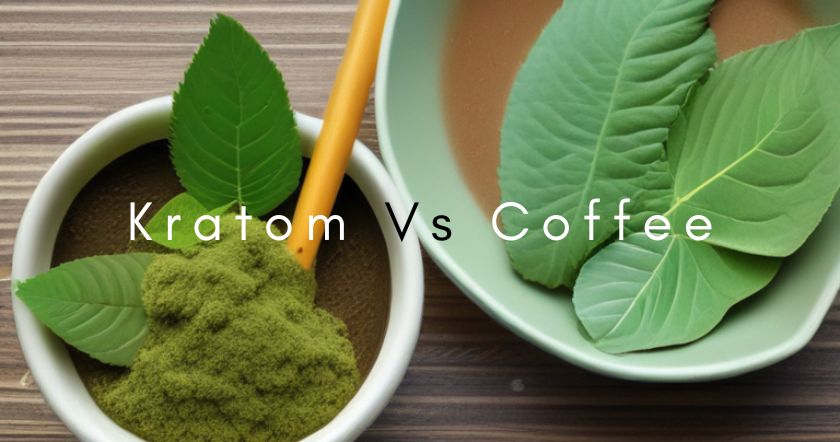
Comparing Kratom To Coffee: Benefits, Effects, & More
Kratom and coffee leaves belong to the same family and they seem identical in appearance but there are major differences you might want to know before consuming them both together.
Millions of people around the world want nothing but their coffee mug first thing in the morning. Just like that, Kratom Bedrock Powder has been in demand over the past few years, and the reason behind its popularity is its energy-boosting and relaxing effects.
As the love for coffee and Kratom grows, many of us wonder what it’s like using them both together, but not before fully understanding both these leaves.
This article is your guide to understanding these natural wonders in a way that you can enjoy them to the fullest.
Understanding The Rubiaceae Family
The family that coffee and Kratom belong to is called Rubiaceae, also called the coffee, madder, or bedstraw. This family has over 13,000 species, with many plants containing alkaloids that have various beneficial uses.
The diversity within the coffee family highlights how related plants can have different effects on people. This is why understanding the differences between the plants we consume is important.
The Rubiaceae family is divided into many subgroups. Coffee and Kratom belong to different ones. While Kratom is closely related to other plants used in traditional medicine, coffee is not.
Kratom belongs to a small group with only about 10 species, whereas coffee is related to over 120 species, many of which are grown for consumption as coffee beans.
Because of this reason, Kratom grown in different regions generally doesn’t differ much unless farmers intentionally change the growing conditions or mix it with other substances. On the other hand, coffee can have a variety of variations depending on the species of bean being cultivated.
What Is Coffee?

About 75% of Americans drink coffee every day. It originates from the berries of the coffee tree (Coffea arabica), known as coffee cherries. These small fruits resemble tiny green beans.
After being harvested, these green coffee beans are taken to roasteries, where they’re heated. This roasting process transforms the bitter flavours into the familiar coffee taste we all love. The longer the roasting, the darker the beans become, and the caffeine level grows.
Even without caffeine, coffee has a rich, earthy, nutty flavour. Caffeine doesn’t change the flavour but adds the energy that coffee is famous for. It helps you feel less tired, more focused, alert, and energized.
Experts say that a small amount of caffeine, especially from coffee, can be good for you. But too much can lead to problems like dehydration, headaches, irritability, sleep issues, and even addiction.
What Is Kratom?
Kratom, scientifically known as Mitragyna Speciosa, has been used for centuries, the local people have used its leaves in their traditional medicine. Its leaves are rich in alkaloids, mainly mitragynine and 7-hydroxy mitragynine.
People typically consume Kratom in powdered form, made from crushed leaves. It is also consumed in the form of capsules, gummies, and liquid shots of different flavours.
Its effects depend on the strain and dosage. At lower doses, Kratom tends to act as a mild stimulant, while higher doses can have sedative effects.
Kratom VS Coffee: Major Similarities
If you’re asking yourself, “Is Kratom related to coffee?” here’s your answer. Here are a few things that make them alike.
| Aspect | Kratom | Coffee |
| Effects | Contains alkaloids that can enhance focus, boost energy, and elevate mood. | Contains caffeine which enhances focus, boosts energy, and elevates mood. |
| Consumption | Brewed into a tea, taken in capsules, powder, or extract form. | Brewed as traditional or instant coffee. |
| Source | Leaves of the Mitragyna speciosa tree in the Rubiaceae family. | Roasted beans from the Coffea plant in the Rubiaceae family. |
| Legal Status | Legal in many areas but facing bans and regulations in some states due to safety concerns. | Generally legal worldwide with no significant restrictions. |
| Preparation Methods | Dried and crushed into powder or brewed into tea. | Roasted and ground before brewing. |
Both kratom and coffee have stimulant properties that can enhance focus, boost energy, and elevate mood. Both are commonly consumed in various forms.
Another similarity between coffee and Kratom is that they belong to the same Rubiaceae family and originate from nature.
Both these substances are widely consumed because of the health benefits they offer.
Despite their similarities, Kratom faces more legal issues due to safety concerns. Both also require specific preparation methods before consumption.
Kratom VS Coffee: Differences

| Aspect | Kratom | Coffee |
| Active Compounds | Alkaloids like mitragynine & 7-hydroxy mitragynine | Caffeine & antioxidants |
| Primary Effects | Stimulant in small dosages & relieves discomfort in higher doses | Acts as a stimulant, boosting alertness, concentration, & energy |
| Availability | Varied legal status; found in Kratom stores, online, & some Kava shops | Widely available in grocery stores, coffee shops, restaurants, & online |
| Safety | Risks include addiction, overdose, and withdrawal symptoms | Overconsumption might cause uneasiness, insomnia, and increased heart rate |
Kratom and coffee differ in several key aspects. Kratom’s active compounds are alkaloids like mitragynine and 7-hydroxy mitragynine, while coffee contains caffeine and antioxidants.
Kratom acts as a stimulant if taken in small dosages that helps enhance focus and energy, when taken in higher dosages, it relieves discomfort. Coffee acts as a stimulant, boosting alertness and energy levels.
The availability of kratom depends on its legal status, while coffee is widely accessible everywhere. Regarding safety, kratom poses risks of addiction and withdrawal, while excessive coffee consumption can lead to uneasiness and other diseases.
Is It Safe To Mix Kratom With Coffee?
Mixing coffee and Kratom is a widely discussed topic, and the reason is some of the similar effects of these two substances. However, it’s essential to consider the following factors before combining them for safe usage.
- If you want to mix the two substances together, you should always start with a low dosage to understand how your body reacts. Then, you can slowly increase the dose based on your experience.
- Keep drinking lots of water to avoid dehydration effects caused by both coffee and Kratom.
- Be aware of how your body reacts if you start experiencing any harsh side effects; you must immediately stop taking them.
- Before you mix them together, you should consult with a healthcare provider, especially if you are already using any medication.
Benefits & Side Effects Of Mixing Coffee With Kratom
| Benefits | – Enhances alertness and energy levels |
| – Boosts focus and productivity in small amounts | |
| Side-Effects | – Nervousness, rapid heartbeat, and confusion with large doses |
| – Increased risk of dehydration due to diuretic properties |
Combining Kratom and coffee, both stimulants, can improve alertness and energy levels. A small amount of Kratom with coffee might enhance focus and productivity.
However, larger doses can cause nervousness, a fast heartbeat, and confusion. Additionally, since both are diuretics, consuming them together in large amounts can lead to severe dehydration.
Dosage
However, generally, a standard cup of coffee contains about 95 mg of caffeine, and it’s recommended not to exceed 400 mg of caffeine per day for a healthy individual.
Kratom dosage varies depending on the strain, potency, body weight, and individual tolerance. Generally, a low dose ranges from 1 to 3 grams, a moderate dose ranges from 3 to 5 grams, and doses above 5 grams are typically considered high. Many users who choose to use kratom start with 2 to 3 grams to assess their individual response.
Bottom Line
If you’re thinking about trying Kratom and coffee together, it’s important to understand their differences so you can make an informed decision.
Make sure that you buy both substances from reputable suppliers to avoid any potential toxins. This way, you can ensure a safe and enjoyable experience, getting the benefits of both these substances without risking your health.
FAQs
Can Coffee Make Kratom Stronger?
Yes, consuming coffee with Kratom may enhance its effects because the caffeine in coffee and the alkaloids in Kratom might work together, making the effects stronger.
How To Mix Kratom With Coffee?
There are plenty of ways to mix them. You can mix Kratom powder into your brewed coffee. You can also brew Kratom tea and use it as a base for your coffee. And if you don’t want to go through all this hassle, you can simply buy a Kratom coffee shot to enjoy them both together.
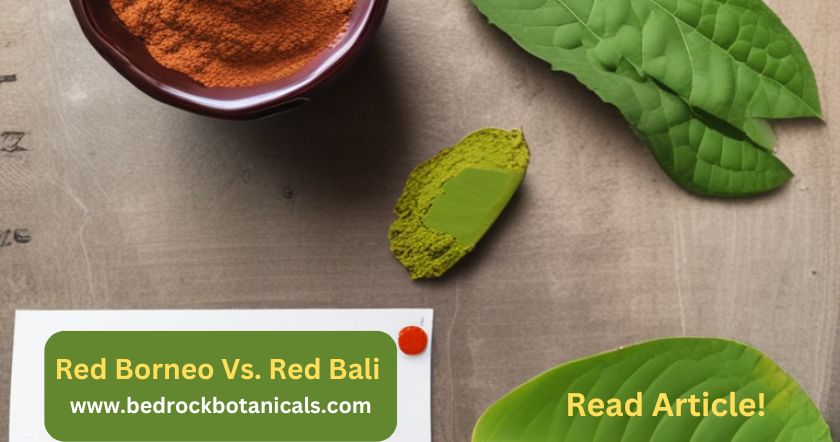
Red Borneo Kratom Vs. Red Bali: Differences And Comparison
If you are new to Kratom then you must be wondering what’s the deal with all these different Kratom strains? Let us tell you that each strain has its unique properties, effects, alkaloid composition, and taste. Among the wide selection of strains available, Red Borneo and Red Bali shine as popular favourites. These red-veined varieties hold a special place in the hearts of Kratom enthusiasts and people looking for natural ways to relax and unwind. For people who want to know more about Red borneo vs. Red Bali, let’s take a closer look at these two red vein varieties and see what sets them apart.
Red Vein Kratom
Before we talk about Red Borneo Kratom Vs. Bali, let’s first discuss what red vein Kratom variety is. You might already know that there are four main sorts of varieties: red, green, white, and yellow veins. Since out of these four, Red-veined Kratom is the most mature, red Kratom strains have the highest level of alkaloid concentration. This is why many people prefer to use Red Bali and Red Borneo.
Red vein Kratom strains are well-liked for their ability to reduce discomfort. But, depending on the area from which they originate, they may also have other advantages. Now let’s learn everything there is to know about Red Borneo and Red Bali Kratom.
Red Bali vs. Red Borneo
When naming a Kratom strain, it typically reflects both the vein colour and the region of origin. This naming convention can be clearly seen in strains like Red Bali and Red Borneo. Kratom is indigenous to Southeast Asia, with Bali and Borneo being renowned regions for its cultivation. Skilled farmers in these areas use various techniques to cultivate and harvest Kratom, leading to a diverse range of bedrock Kratom products available in the market.
Name And Origin
Red Bali leaves are huge and visible from a distance. Kratom enthusiasts adore this strain because of its potent alkaloid mix. As you may have already figured, Red Bali originates from the Indonesian Bali Islands. The temperature and soil conditions in this region are perfect for producing high-quality and potent Kratom varieties.
Red Bali Kratom comes loaded with a total of 40 distinct alkaloids. Among the most prevalent alkaloids found in Red Bali are Mitraphylline, 7-hydroxy mitragynine, Mitragynine, and 9-hydroxycorynantheidine.
As you might have guessed, Red Borneo, on the other hand, originates from the Borneo Islands. However, Kratom Red Borneo is not like Bali since this strain is not as exclusive. It is grown in Indonesia and Malaysia, as well as in Brunei. Borneo is referred to as Kalimantan in Indonesia.
Red Borneo is known to be one of the strongest red-veined strains on the market. Borneo originating from these islands is also available in green, white, and yellow veined varieties. The alkaloids found in this particular variety include corynoxine A and B, mitragynine, 7-hydroxy mitragynine, and 9-hydroxycorynantheidine.
Appearance
Distinguishing between different Kratom leaves can be challenging for those less acquainted with the plant. However, experienced Kratom farmers possess the ability to identify strains simply by observing the trees.
Red Bali leaves are notably large, and the growth rate of these Kratom plants surpasses that of others. Regardless of the vein colour chosen from the Bali variety, all leaves exhibit a reddish hue. On the other hand, Red Borneo powder often features a purple hue. Other than the leaf appearance, one thing that sets apart this variety from all the other strains is its aroma. Red Borneo is well-known for its calming smell. The aroma makes it easy to identify from other strains. This is one more way red Borneo and red Bali differ from one another.
Effects
Everything boils down to Kratom’s effects. You need to know what you want in a Kratom strain before you select one for yourself. When talking strictly about the potency of the effects, compared to Red Borneo, Red Bali has less potent effects.
While some use Kratom for medical reasons, others use it for recreational purposes. Some people wish to combine the two as well. In light of this, selecting the appropriate strain of Kratom is crucial if you have a preference for the effects.
Here are the typical Bali Kratom effects you can expect from using it:
- Red Bali induces relaxation in both the mind and body, offering sedative effects.
- It boosts physical stimulation and enhances cognitive function, leading to improved focus and concentration.
- Red Bali serves as a potential mood enhancer.
Red Borneo Kratom is well-known for its high potency. It is regarded as one of the most powerful strains of red veins, thanks to its alkaloids. The forests where this variety is cultivated foster the growth of Kratom with mature leaves, which significantly contributes to the potency of the Kratom.
Red Borneo Kratom effects are similar to those of red Bali. However, red Borneo has a higher potency, thus even a small dosage is more than enough to get you the desired effects.
Red Borneo offers the following effects:
- It is renowned for its exceptional relaxation properties, soothing the body and promoting a sense of calm.
- The sedative effects of red Borneo are beneficial in achieving better sleep quality.
- It reduces bodily discomfort, making it an ideal choice for unwinding after a taxing day.
- Red Borneo also induces euphoria, fostering feelings of positivity and warmth throughout the body
Final Word: Choosing Your Strain
When comparing Red Borneo vs. Red Bali Kratom, the optimal choice hinges on personal preference. Red Borneo and Red Bali are comparable in their effects, therefore what sets them apart is not so much their effects but their differing alkaloid composition, i.e. their potency. It is important to be aware of these two varieties before trying out any of these strains in order to ensure that red vein Kratom is enjoyable. We hope that this blog has helped you choose the best strain for your needs by highlighting the distinctions between Red Borneo and Red Bali Kratom.
Disclaimer: The statements in this article are only the authors’ best information on the subject and, as such, should not be interpreted as a form of medical advice. Consult with a doctor before use.
Wholesale Benefits Just a Click Away!
Kratom Potentiation: 6 Ways To Potentiate Kratom For Fuller Experience
Do you know that you can enjoy the fuller effects of Kratom by potentiating it? However, the question is, what potentiates Kratom?
Kratom potentiation is a popular method among Kratom enthusiasts as it not only helps in enhancing the Kratom effect. But also is cost-effective, and your kratom supplement lasts a longer time. Several potentiators can be taken, some of which are in your home and on your shelves.
Don’t know how to start your Kratom potentiation journey? No worries, this guide will show you which Kratom potentiators you should take to have the best euphoria.
Click Here To Read About Kratom Legality In USA
What Is Potentiator And How To Potentiate Kratom?
Potentiators are basic ingredients that, when combined with Kratom, enhance the availability of Kratom to the body, giving a stronger effect.
Kratom potentiation works by inhibiting specific enzyme receptors in the body. This allows the Kratom to work effectively, giving the users a fuller experience.
Kratom can be potentiated with the help of a lot of natural substances. This helps increase energy, promote relaxation, and increase productivity.
Moreover, the best part is that you will be saving a lot of Kratom supplements by potentiating it. That is because when you combine potentiator with Kratom, you decrease the serving size of the Kratom.
How to potentiate Kratom? Simply mix it in smoothies, make herbal teas, or take it after some kind of caffeine.
6 Best Kratom Potentiators To Increase Kratom Tolerance
If you are looking for ways how to potentiate Kratom, then the following are the best Kratom potentiators to use:
- Magnesium
Magnesium is one of the famous potentiators being used these days. Magnesium not only helps in increasing the Kratom effect but can also be used to break the Kratom tolerance.
Moreover, magnesium increases the absorption and metabolic capabilities of the stomach. This leads to absorption of the Kratom effectively.
Magnesium is also said to aid in reducing the side effects of Kratom, like constipation while helping in better digestion and bowel movement.
Simply mix the Kratom in magnesium-rich smoothies and kickstart your day.
- Pickle Juice
Many people do not know, but pickle juice can be used as a potentiator for Kratom. Yes, the pickles sitting in your refrigerator have patenting properties. This is because pickle juice contains a lot of electrolyte content like magnesium, potassium, etc. The acidic nature of pickle juice is also said to be great for enhancing the Kratom effect.
Magnesium, as we know, is a great potentiator of Kratom, and if you do not want to buy magnesium, go for pickle juice. Any kind of pickle juice is fine.
- Lemon Juice
Using lemon juice as a Kratom potentiator is an excellent idea, as citrus juices are said to prolong the effect of Kratom. Lemon juice can slow down the Kratom metabolization, allowing it to have a longer-lasting effect.
Lemon juice works by pulling out the alkaloid from the Kratom powders, potentiating the Kratom and giving you a fuller experience. Another reason to take kratom with lemon juice is to make it taste better. As you know, kratom doesn’t taste appetizing.
- Black Pepper
Did you know that this small round pepper seed can act as a potentiator for Kratom? A small pinch taken with Kratom can do wonders. The piperine present in black peppers is a natural alkaloid that helps increase Kratom absorption. Piperine is an enhancer that helps in the absorption of substances, explaining why it acts as a potentiator.
- Black Seed Oil
Black seed oil has proved to be not only a good Kratom potentiator but also beneficial for reducing the effects when Kratom wears off. This antioxidant-rich oil is said to block many brain enzyme receptors, leading to an increase in the overall effect of Kratom.
You can take black seed oil with any type of vein; however, it is recommended to combine it with red vein Kratom. It increases the general relaxation of the body and reduces stress.
- Kombucha
How kombucha works in potentiating Kratom is still unknown. However, Kratom users reported that it does act as a potentiator when taken after the Fratom dose. The Kratom Kombucha combo is great for relieving stress, soothing nerves and muscle relaxation.
Kombucha aids the stomach and relieves any discomfort if it arises while increasing the euphoric effects of Kratom. Taking about 7-12 oz of kombucha can do the perfect job for you.
Become a Wholesale Partner – Explore Our Kratom Seltzer Deals Today
Taking Kratom Empty Stomach: Does It Help In Kratom Potentiation?
There has also been speculation that if you take Kratom on an empty stomach, it has the same effects as using it with a potentiator. Whether it is true or not has not been medically proven.
However, many Kratom lovers who have actively used Kratom on an empty stomach reported that they felt the amplified effects of Kratom.
However, some other users reported that taking Kratom on a full stomach can increase its effects as the food already present potentiates it.
So, whether you should take Kratom on an empty stomach or not is your personal preference. That is why it is recommended to experiment and find out what is best for you.
Potentiating Kratom: Final Thoughts
Kratom potentiation is a great way of achieving the desired effects of Kratom. According to many users, the ingredients mentioned above are the most commonly used substances these days and have proven to be effective.
However, as we always recommend. Every body type is different, so what works for others may not work for you. Trying different things is the best way to find what suits you. Do your research, and do not forget to consult your healthcare professional whenever starting your Kratom potentiation journey.
Frequently Asked Questions
- Can I Use Herbal Teas with Kratom?
Although it is recommended not to combine Kratom with any other herbs, some herbs are an exception. For example, valerian root and chamomile tea are said to be the best Kratom potentiators to combine with Kratom. There is no specific way as to how they work; however, both of these teas are said to enhance the relaxing effect of Kratom, making them best for restful sleep.
- Are Natural Kratom Potentiators Safe to Use?
If you are using all the daily life Kratom potentiators like lemon juice, caffeine, and black seed oil, then no, they are not dangerous. These are natural substances, so they tend to have less disadvantageous effects when combined with Kratom. However, if you are trying to combine Kratom with other drugs or medication, then yes, you can face some severe side effects.
- Is Taking Kratom Potentiators Any Beneficial?
Yes, Kratom potentiators are quite beneficial as they make taking Kratom quite cost-effective. When you do Kratom potentiation, you use less serving size, meaning your Kratom supplement will last longer. Moreover, other benefits are: It reduces the tolerance, makes the Kratom effect stronger, and the effect lasts a longer time.
Are Kratom And Kava The Same Thing?
In the landscape of herbal supplements, two names often come up in vibrant discussions: Kratom and Kava. Both have their unique appeal and traditional backgrounds, but they cater to different needs and experiences. Bedrock Botanicals specializes in providing premium Kratom products, while our friends at KavaKazees (visit here) are your go-to experts for all things Kava. Let’s dive into what makes each of these botanicals distinct and how you can explore them responsibly.
Understanding Kratom: The Energizing Botanical Kratom, scientifically known as Mitragyna speciosa, hails from the lush forests of Southeast Asia. It’s revered for its versatility in effects, ranging from stimulating to soothing, depending on the strain and dosage. Bedrock Botanicals offers a curated selection of Kratom strains (explore our collection), each carefully sourced to ensure the highest quality.
Why Choose Kratom?
- Versatile Use: Whether you’re looking for an energizing start to your day or a tranquil end, there’s a Kratom strain that fits the bill.
- Cultural Heritage: Kratom’s use in traditional Southeast Asian cultures adds a rich historical layer to its appeal.
Exploring Kava: The Calming Root Kava, or Piper methysticum, originates from the Pacific Islands, where it’s been a cornerstone of social ceremonies and rituals. Renowned for its calming effects, Kava offers a serene escape from the stresses of daily life. For those curious about this soothing root, KavaKazees provides an exceptional array of Kava products (find your calm with KavaKazees).
Why Dive Into Kava?
- Relaxation: Kava is celebrated for its ability to promote relaxation without diminishing clarity.
- Communal Experience: The traditional Kava circle is a testament to its role in fostering community and connection.
Kratom vs. Kava: Key Differences
- Botanical Family: Kratom is part of the coffee family, offering a more energizing effect, while Kava comes from the pepper family, known for its relaxing properties.
- Legal Aspects: It’s crucial to stay informed about the legality of Kratom (read more about Kratom legality) and Kava in your area, as regulations can vary.
Incorporating Kratom And Kava Into Your Lifestyle Considering adding Kratom or Kava to your routine? Here are a few tips:
- Quality First: Choose reputable suppliers like Bedrock Botanicals for Kratom and KavaKazees for Kava to ensure you’re getting the best quality.
- Start Small: Especially if you’re new, begin with lower doses to understand how your body responds.
- Stay Informed: Keep up with the latest research and legal updates regarding both Kratom and Kava.
Conclusion: Kratom and Kava offer distinct experiences, each with its unique charm and benefits. Whether you’re drawn to the versatile nature of Kratom or the calming embrace of Kava, understanding the nuances of each can enhance your herbal exploration journey. Visit Bedrock Botanicals for your Kratom needs and explore KavaKazees for premium Kava products.
Disclaimer: This content is for informational purposes only and not intended as medical advice. Kratom is not FDA-approved, and regulations around Kava and Kratom vary. Always consult a healthcare professional and adhere to local laws when exploring herbal supplements.

Navigating Kratom Legality: What You Need to Know!
In recent years, Kratom has become a topic of interest for many, offering a range of experiences based on its traditional use in Southeast Asia. However, its legal status is a complex and evolving issue. At our company, we prioritize informing our customers about the legal aspects of Kratom. It’s crucial to understand that while Kratom is legal in some places, it faces restrictions or bans in others. This blog aims to provide a general overview of Kratom’s legal landscape, but we always recommend checking your local state laws before making a purchase.
Understanding Kratom’s Legal Status
- Global Perspective: Kratom’s legal status varies significantly around the world. In some countries, it is entirely legal, while others have strict regulations or outright bans.
- United States: In the U.S., Kratom’s legality varies from state to state and even within counties and cities. While federally not classified as a controlled substance, some states have their own regulations regarding its sale, possession, and use.
- Legality vs. Regulation: It’s important to differentiate between legality and regulation. Some regions might allow the use of Kratom but have regulations regarding its purity, age restrictions for purchase, or labeling requirements.
Why Does Legality Vary?
- Research and Regulation: The varying legality often stems from differing levels of research, public opinion, and regulatory decisions based on those factors.
- FDA Stance: The FDA has not approved Kratom for any medical use and has raised concerns about its safety and potential for abuse. Their recommendations play a significant role in how local laws are shaped.
How to Stay Informed
- Check Local Regulations: Always verify the legal status of Kratom in your specific area. Laws can change, so it’s vital to have the most current information.
- Stay Updated: Follow news and updates from reliable sources. Joining Kratom advocacy groups can also provide insights into legal changes and efforts.
Conclusion: At our company, while we offer a range of Kratom products, we are committed to responsible usage and adherence to legal guidelines. Understanding the legal landscape is a key part of being a responsible Kratom consumer. We encourage all potential buyers to thoroughly research and comply with local laws regarding Kratom.
Disclaimer: This content is provided for informational purposes only and is not intended as legal advice. Kratom is not approved by the FDA, and its safety and efficacy are not established. We do not endorse or encourage the use of Kratom where it is illegal or regulated.