
Education
Kratom Vs. Matcha: Similarities, Differences, And How To Mix Them

Who doesn’t love Matcha and Kratom? A few years ago both Kratom and Matcha started popping up everywhere in the States and ever since then, their popularity has only continued to grow. While many people have enjoyed each substance on its own for years thanks to their unique properties and benefits, recently people have started wondering how it would be to mix their two favourite herbs together into one single powerful potion.
In this article, we will walk you through the introduction of Kratom vs. Matcha, their similarities, and differences, and the process to mix them to reap the benefits of this powerful concoction. So, without further ado, let’s begin!
What Is Matcha: A Closer Look
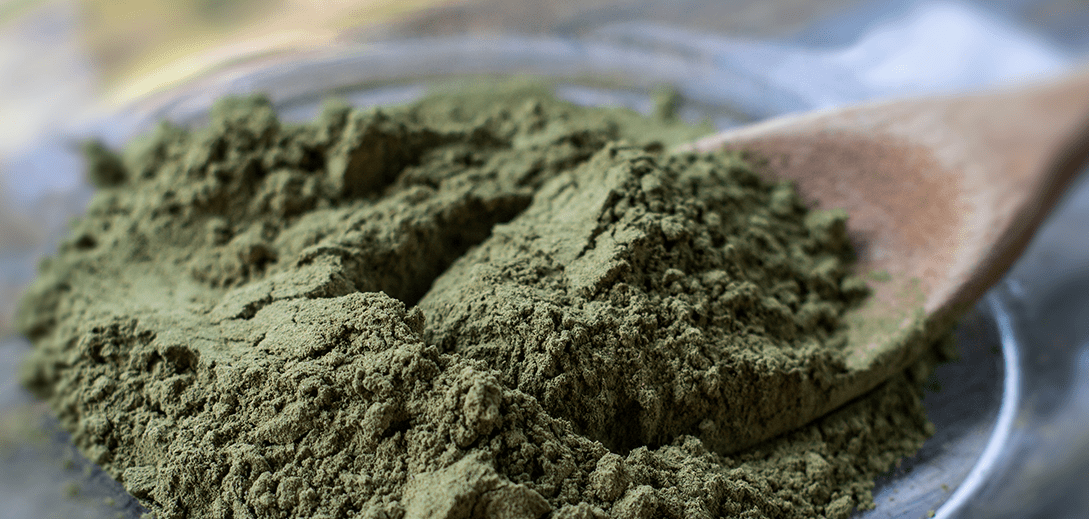
If you don’t know what matcha is, don’t worry. We have got you covered! Matcha is a finely ground powder derived from specially cultivated and processed leaves of the Camellia sinensis plant. Thanks to its high chlorophyll content, it has a slightly bitter, vegetal flavour and a vivid green colour. It has been a staple of traditional Japanese tea ceremonies for decades, but owing to its newfound popularity in the States, many more Americans have been trying it to discover its therapeutic properties.
How Is It Different From Green Tea?
Matcha powder is more than simply green tea; it is a distinct form which is created by carefully processing young tea leaves into a vivid green powder. However, not every green tea leaf has the potential to yield matcha powder.
Matcha tea plants (Camellia Sinensis) must be grown in the shade for three to four weeks before harvesting, and the leaves veins and stems must be removed during processing. As a result of all this meticulous care, ordinary green tea leaves turn into our loved matcha powder that can be brewed into a timeless beverage.
How else does matcha differ from your regular green tea? Well, when brewing green tea, you steep the leaves in hot water and then remove the tea bag before drinking. On the other hand, matcha involves dissolving ground-up pieces of the complete green tea leaf into water. This means you’re consuming the entire leaf (except the veins and stems that were removed before grinding).
What About The Caffeine In Matcha?
Well, you would be happy to know that matcha does contain caffeine. Matcha tea plants are shade-grown for many weeks before harvest, which increases the chlorophyll content in the plant and produces higher levels of amino acids such as L-theanine. After harvesting, the leaves are steamed, dried, and powdered into a fine powder to preserve the caffeine content.
Although matcha contains more caffeine than normal green tea, it does not provide the same buzz as coffee. It leaves me feeling energized and concentrated, yet relaxed. A typical serving of Matcha (1 teaspoon or roughly 2 grams) contains 60-70 milligrams of caffeine. On the other hand, a regular cup of coffee has approximately 95 milligrams of caffeine. Despite the decreased caffeine level, Matcha delivers a more balanced and long-lasting energy boost.
A Deep Dive Into Kratom
Kratom, scientifically known as Mitragyna speciosa, is a tropical evergreen tree in the coffee family native to Southeast Asia, specifically Thailand, Indonesia, Malaysia, Myanmar, and Papua New Guinea. Local growers collect the tree’s leaves at various stages of ripeness, sun-dry them, and grind them into the powder known as Kratom.
People use Kratom in a variety of ways, including taking Bedrock capsules, chewing leaves, drinking powder, making tea, and taking extracts. Mitragyna speciosa is the botanical name given to the plant because it contains mitragynine and 7-hydroxymitragynine as active components.
Similarities Between Kratom And Matcha
Now that we have discussed both Kratom and Matcha and talked about how each one holds a special place in the hearts of the users, let’s take a look at how these two herbs are similar.
Traditional Use
First of all, both of these botanicals have a rich history of traditional use. Kratom has been used for centuries in Southeast Asia as a traditional medicine for relief, energy boosting, and enhancing mood while Matcha has been integral to Japanese tea ceremonies and valued for its meditative and calming effects.
Health Benefits
Plus both Kratom and Matcha are valued for their health benefits. Kratom is rich in alkaloids, mitragynine, and 7-hydroxymitragynine which are responsible for relieving and soothing properties of the plant.
Similarly, Matcha is rich in catechins, especially epigallocatechin gallate (EGCG). Thanks to these catechins, Matcha comes packed with potent antioxidants. This high antioxidant content helps protect cells from damage and promotes general health. Matcha also contains L-theanine, an amino acid that promotes relaxation and focus, making it a popular choice for people looking to maintain a calm, alert mood.
Preparation
That is not all. Matcha and Kratom also share similarities in how they are prepared and consumed. Both may be added into beverages, however Matcha is typically whisked into hot water to make a frothy tea, whilst Kratom is commonly brewed or blended into juices and smoothies.
Matcha and Kratom have both gained popularity in recent years as part of modern wellness fads. Health and wellness bloggers commonly promote Matcha’s benefits in smoothies, lattes, and baked goods. Its versatility and health benefits make it a must-have in healthy diets. Kratom has also received its fair share of attention. More often than not, it is talked about as a healthy natural alternative and a holistic health approach.
Become a Wholesale Partner – Explore Our Kratom Seltzer Deals Today
How Are These Two Different?
Let’s take a look at the table below that discusses all the specific differences between the two botanicals.
| Feature | Kratom | Matcha |
| Origins | Thailand, Malaysia, Indonesia, and Papua New Guinea. | Mostly Japan |
| Source | Mitragyna speciosa tree leaves | Camellia sinensis plant leaves |
| Key Compounds | Mitragynine, 7-hydroxymitragynine | Catechins (EGCG), L-theanine |
| Effects | Stimulant (low dose), sedative (high dose) | Calm alertness, metabolic boost |
| Taste | Bitter, earthy | Smooth, umami, slightly sweet |
| Legal Status | Illegal is a few states | Legal everywhere |
| Health Benefits | Relief and mood enhancement | Antioxidant, anti-inflammatory, relaxation, focus |
| Popular Forms | Powder, capsules, extracts | Tea, smoothies, baking, lattes |
How To Mix Kratom And Matcha
Mixing Kratom and Matcha can create a drink that is one of a kind. It combines the energizing properties of Matcha with the potential mood-enhancing effects of Kratom. Here is a step-by-step guide to making a Kratom and Matcha blend:
Ingredients
- 1 teaspoon of Matcha powder
- 1 to 2 grams of Kratom powder (adjust based on your tolerance and desired effects)
- 1 cup of water (approximately 8 ounces)
- Sweetener of your choice (honey, agave syrup, or sugar) – Optional
- Milk or milk alternative – optional
Equipment Required
Fine mesh strainer or Matcha sifter
Whisk (preferably a bamboo Matcha whisk, known as a chosen)
Small bowl
Measuring spoons
Mug or cup
Instructions
1. Prepare the Water:
Heat water to around 175°F (80°C). Avoid boiling water, as it can make the Matcha bitter.
2. Sift the Matcha Powder:
Place the Matcha powder into a small bowl using a fine mesh strainer or Matcha sifter. Sifting helps remove clumps and ensures a smooth, lump-free beverage.
3. Measure the Kratom:
Measure 1 to 2 grams of Kratom powder. It’s essential to start with a small amount if you’re new to Kratom, as its effects can vary. Add the Kratom powder to the same bowl with the sifted Matcha.
4. Mix the Powders:
Gently mix the Kratom and Matcha powders together using the whisk to ensure they are evenly combined.
5. Add Water:
Pour a small amount of the hot water (about 2 ounces) into the bowl with the Matcha and Kratom mixture. This initial addition of water helps to blend the powders into a smooth paste. Use the whisk to mix the powders and water in a “W” or zigzag motion until a frothy paste forms.
6. Whisk to Perfection:
Once the paste is smooth and lump-free, add the remaining hot water (approximately 6 ounces). Continue whisking in the same “W” motion until the mixture is frothy and well combined.
7. Sweeten and Add Milk:
If desired, add a sweetener of your choice to taste. You can add milk or an alternative to create a creamy texture. Pour the milk into the mixture and whisk until well combined.
8. Serve and Enjoy:
Pour the Kratom and Matcha blend into a mug or cup. Enjoy your unique beverage warm.
Buy Kratom From BedRock
If you have made it this far and have gone over the Kratom Matcha tea recipe, you must be craving this drink now. If you are and you want some good quality Kratom to mix with your Matcha powder, BedRock is the best place to buy fine quality Kratom online. Check out their latest Kratom sale for some amazing deals and enjoy the perfect blend of Kratom and Matcha at home.
Final Word
Unless you have been living under a rock and haven’t opened your social media for some time now, you must have noticed that Kratom and Matcha are a growing fad these days. Hopefully after going over this article, you now have a better understanding of the two botanicals, their similarities, and differences, and how to mix them.
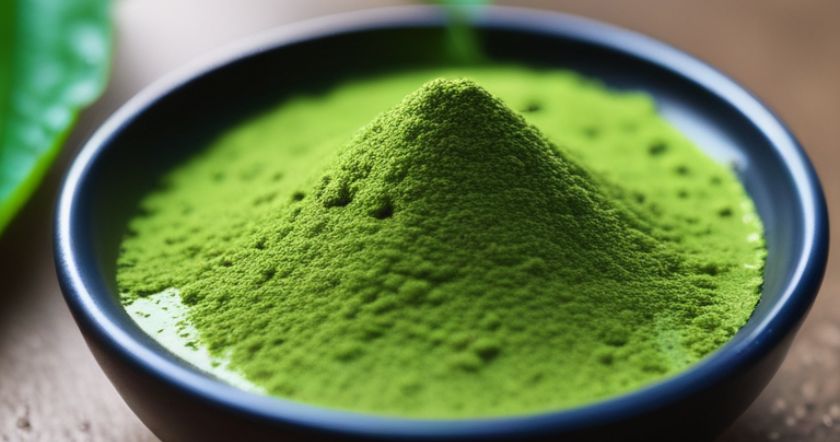
How You Can Change Your Kratom Taste With New Flavor Ideas

Kratom, a dietary supplement derived from the leaves of Mitragyna speciosa, is known for its unique, often bitter taste. To make the consumption of Kratom more enjoyable, new flavor ideas can be introduced. These flavors enhance the overall experience and help mask the bitterness inherent in Kratom. Users can find a taste profile that suits their preferences by incorporating flavors such as citrus, tropical fruits, mint, berries, and spices. This makes the process of consuming Kratom much more appealing and accessible, especially for those who find the traditional taste off-putting.
Improved Taste and Aroma
Introducing new flavors to Kratom can significantly improve its taste and aroma. Flavors like citrus burst, berry bliss, and mint fusion add refreshing and pleasant notes that mask the bitterness of Kratom. These flavors make the taste more palatable and enhance the aroma, making the experience more enjoyable. The sharpness of citrus, the sweetness of berries, and the coolness of mint create a well-rounded sensory experience. By experimenting with different flavors, users can discover combinations that transform Kratom into a delightful beverage.
Convenience and Versatility
Adding new flavors to Kratom enhances its convenience and versatility. Flavored Kratom can be easily mixed into beverages such as smoothies, teas, and juices, making it simple to incorporate into daily routines. This versatility allows users to enjoy Kratom in various forms, whether hot or cold, sweet or savory. Pre-flavored Kratom products are also available, offering ready-to-use options that save time and effort. The adaptability of flavored Kratom ensures that users can find the best method of consumption to fit their lifestyle.
Consistent Quality and Potency
Flavored Kratom products are often manufactured with a focus on maintaining consistent quality and potency. By using high-quality ingredients and precise formulations, these products ensure that users receive a reliable and effective dose with every serving. The addition of flavors does not compromise the potency of Kratom; instead, it enhances the overall experience. This consistency provides users with confidence in their Kratom products, knowing they can enjoy the benefits without the bitter taste.
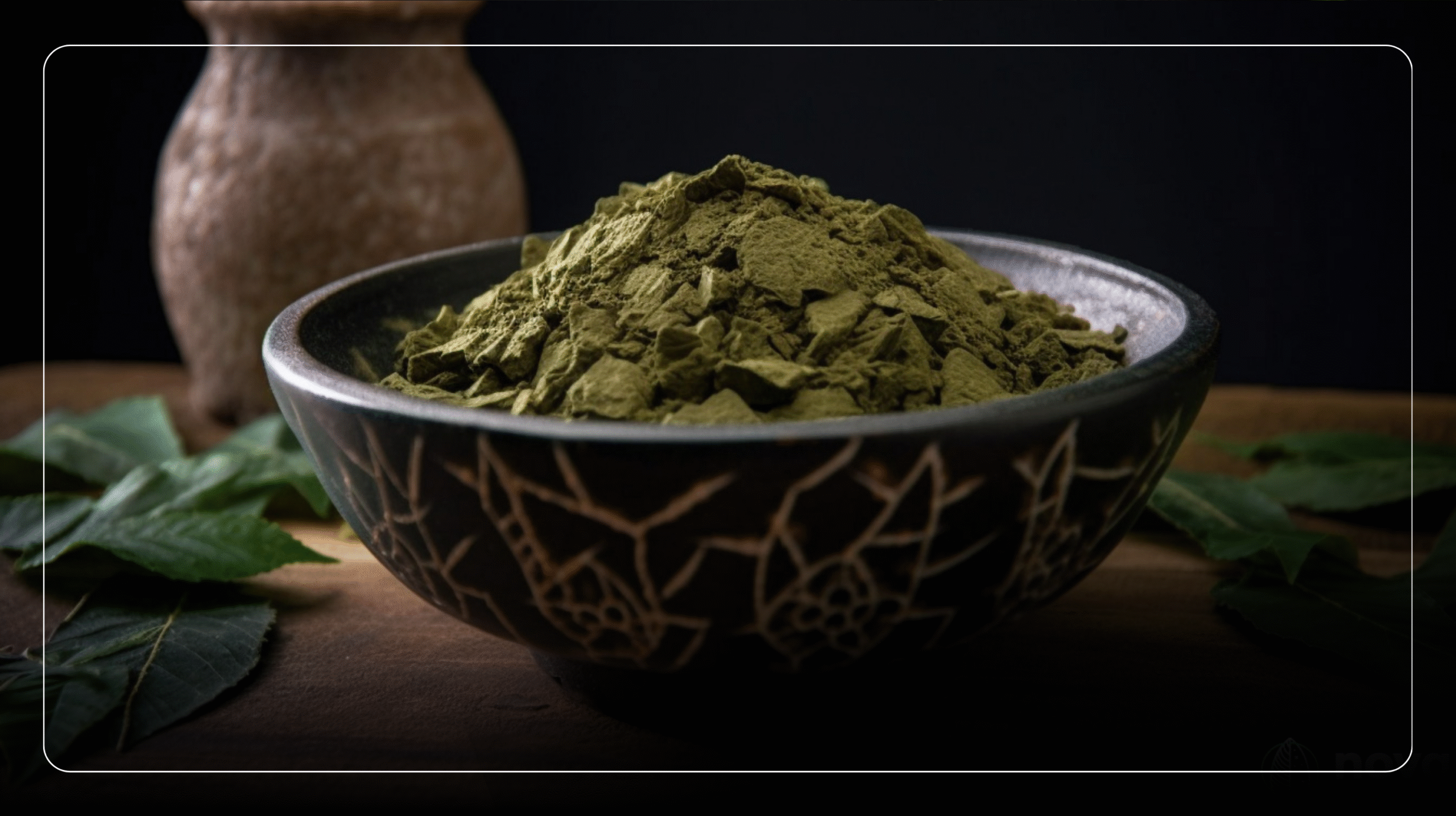
Flavours that can be used
Citrus Burst
Every Kratom lover should consider the use of citrus flavors such as lemon, lime, and even orange since they really help boost the flavor of the product. The juiciness in these fruits neutralizes the bitter taste of Kratom through its acidic nature, which counterbalances its terrible taste. Kratom powder or Kratom extract base can be combined with freshly squeezed citrus juice or flavored syrups in order to prepare a drink. Moreover, citrus fruit is rich in flavor and complementary to the taste profile of Kratom due to its distinct earthy elements. Lemon and lime work well with Kratom because their tartness reduces the bitterness of the plant and the sweet orange complements the bitterness and enhances the experience.
Tropical Delight
The main flavors associated with Kratom include ginger, cinnamon, chocolate, pineapple, mango, and coconut. These fruits are not only secretive about bitterness but at the same time, give an impressive twist to the Kratom experience. The orange and slightly tangy taste of pineapple juice complements Kratom, while the semi-sweet and thick texture of mango puree goes well. Additional products from coconut, like coconut milk or water, also serve to introduce creaminess and a luxurious feel to the beverage. This not only brings up the mood for eating and consuming kratom but also makes you feel as if you are on a tropical island.
Mint Fusion
Mint is another perfect companion to be added to Kratom as it also gives a good taste. It can hide the bitterness well and also brings a cooling mouthfeel with the refreshing quality of its taste. Kratom with mint tea or ground fresh mint leaves in the Kratom smoothie gives the product a refreshing feature. It is also important to note that mint contains mint has a cooling effect principally due to the presence of menthol – this would help to boost the relaxation effect associated with Kratom. This combination not only enhances flavor but also helps make the consumption of Kratoms more refreshing and perky.
Berry Bliss
Strawberry, blueberry, and raspberry flavorings can enhance the sweet and naturally sour taste of Kratom, along with its papery texture. Due to their vibrant colors, they are capable of masking the bitterness related to Kratom while at the same time introducing fruits to the blend. By preparing berry-flavored syrups or fresh berry purees, it is possible to add Kratom powder to prepare a fine drink. The natural sugars contained in berries also make the concoction tastier, and this contributes to making the Kratom drink even more appealing. This combination is ideal for those who would love to see a blend of sweet taste as well as the tangy taste when taking Kratom.
Spiced Chai
Spiced chai, with its warm and soothing taste, could be a great blend with Kratom when in the right combination. Such spices as cinnamon, cardamom, ginger, as well as cloves are excellent in enhancing the blend’s flavor where bitterness from Kratom may be present. Drinking Kratom with spiced chai tea or adding it to a latte forms a tasty concoction that is more pleasing to the palate. The spices not only enhance the flavor of the meals taken but also gain other nutritional values like the anti-inflammatory value. This combination is perfect for those with a higher tolerance for substance, and the flavor is warm and complex.
Green Apple
Green apple flavor provides a sour taste like the taste of the green apple fruit and is well combined with Kratom. Raw green apple has a cutting ability in terms of sharpness, and this would nicely counter Kratom’s bitterness. To make Kratom better tasting and more palatable, it can be mixed with flavored syrups or green apple juice. The biting note or the sourness of the apple offers a zing, which adds extra energy to Kratom consumption. This taste profile makes it ideal for anyone who prefers his or her food to be slightly sour and tangy.
Vanilla Honey
Vanilla and honey are among the most popular ingredients and can greatly improve the flavor of Kratom. Vanilla gives you a creamy flavor, which complements the natural sweetness of honey and balances the bitterness of Kratom. It is also important to know that mixing Kratom with vanilla extract and honey will help prepare a yummy and sumptuous concoction. This combination enhances the taste, and it is relaxing and comforting to the consumer when taking Kratom.
Herbal Harmony
You can mix Kratom with other herbal flavors like chamomile, lavender, or even rosemary, and it will taste great. These herbs are used to add a slight, fresh, aromatic note, which may be useful in boosting the flavor of Kratom. Intermittent flavors can be brewed from herbs and used as a mixer with Kratom powder to create a soothing experience. The mild blend of these herbs helps enhance the taste of Kratom and, at the same time, reduces the earthy taste, which may be off-putting for some consumers. This combination is ideal for those who use moderate and subtle flavors for their cooking.
Chocolate Delight
Chocolate can effectively be used as an edible additive for enhancing the Kratom experience since it tastes delicious. The smooth and rich properties of the taste in chocolate can easily overpower the natural bitterness of Kratom. The Kratom blended with chocolate milk or simply incorporating cocoa powder on an adequate Kratom smoothie produces a delicious meal. Kratom is bitter, but the combination of chocolate allows its consumption to be fun and bearable due to the taste of chocolate. This combination is perfectly suitable for those who like to add extra glamour and richness to their taste.
Lavender Lemonade
Lavender lemonade is quite unusual but goes well with Kratom and cools you down in the process. Flavors of lavender added to quenched lemonade make a delicious drink that can potentially conceal the bitterness of Kratom. Some possible ways of consumption may include using Kratom with lavender-lemonade, where consumers gain a tranquil and fragranced beverage. These two flavors complement each other to improve the Kratom experience by boosting the feel of the Kratom. This flavor is best for people who are more inclined towards light and easy taste.
Health and Wellness Benefits
Flavored Kratom offers health and wellness benefits by making it more accessible and enjoyable to consume. The improved taste encourages regular use, allowing users to experience Kratom’s potential benefits fully. Additionally, using natural flavors like citrus and berries can contribute to the overall nutritional value of the beverage. By enhancing the flavor and making Kratom more palatable, users are more likely to incorporate it into their wellness routines consistently, supporting their health goals.
Tap to Access Wholesale Savings Today!
Red Vein Kalimantan Kratom: Understanding Effects, Dosage, & More
Being a Kratom enthusiast, you might know that there are plenty of Kratom strains available, but within these Bedrock Kratom strains, there are further varieties. Red vein Kratom, a popular choice among Kratom lovers, has a variety known as “Red Kalimantan Kratom”, which is widely known for its mild stimulating effects.
Found in the Kalimantan region in Indonesia, this red strain was the first to be grown in the Indonesian part of the island of Borneo. This article is an easy guide for you to understand everything related to red Kalimantan so you can get the most out of your overall experience.
Varieties Of Kalimantan Kratom Strains
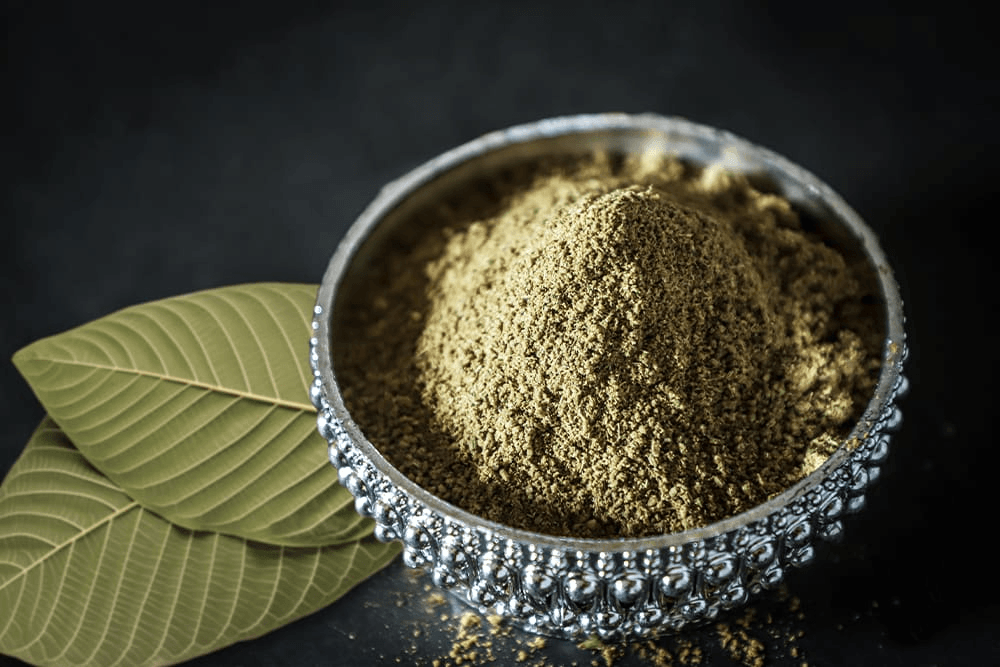
Although this guide is solely based on the red vein kali, first, you must understand that Kali strains come in four distinct vein colours with distinct properties, here’s a brief overview.
Green Kalimantan: This vein colour has a fresh herbal smell and an earthy, energizing taste. Ideal for those looking for mental clarity and enhanced energy levels.
Red Kali: Famous for its deep, relaxing scent and rich flavour. This vein colour may be a good choice for those looking for relaxation and relief.
White Kali: This variety has a crisp aroma with quite a sharp, energizing taste. Ideal for an extra kick of energy and enhanced focus throughout the day.
Yellow Kalimantan: The sun-dried form of white-vein colour. Yellow Kali Kratom is the less stimulating form of white kali.
What Is The Potency Of Red Kalimantan Kratom?
Red kali is hard to find outside its native area, and the reason is the high demand for this vein colour. It’s highly potent because it has a high content of active compounds like mitragynine and 7-hydroxy mitragynine. These substances are the base of Kratom, and when consumed, they work with receptors in your brain to activate the strong effects of Kalimantan Red Vein.
The strong herbal aroma of this vein colour might take 15-20 minutes to kick in, and some users report that the effects may last for several hours.
Benefits Of Taking Red Kali Kratom

Although there is a lack of solid scientific evidence, users report that red kali offers highly stimulating effects that may include;
Mood Enhancement
Kratom Red Kali may help improve your mood. If you’ve lost interest in activities you used to love, this type might help you enjoy them again. It has a way of sparking your natural joy and giving you a mood boost.
Relaxation
One of the top reasons people consume Kratom is for its unique mix of effects, and Red Vein Kali Kratom is especially valued for its calming properties. When taken in the right amount, it may help you relax, ease your strain, and improve your sleep by helping you fall asleep faster and deeper.
Enhanced Focus
This strain is also known for its potential to sharpen your focus. Unlike caffeine, which mainly energizes your body, Red Kali might specifically help with your mental focus and energy. It’s a favourite among people who need sharp and quick thinking.
Ways To Use Kalimantan Red Vein
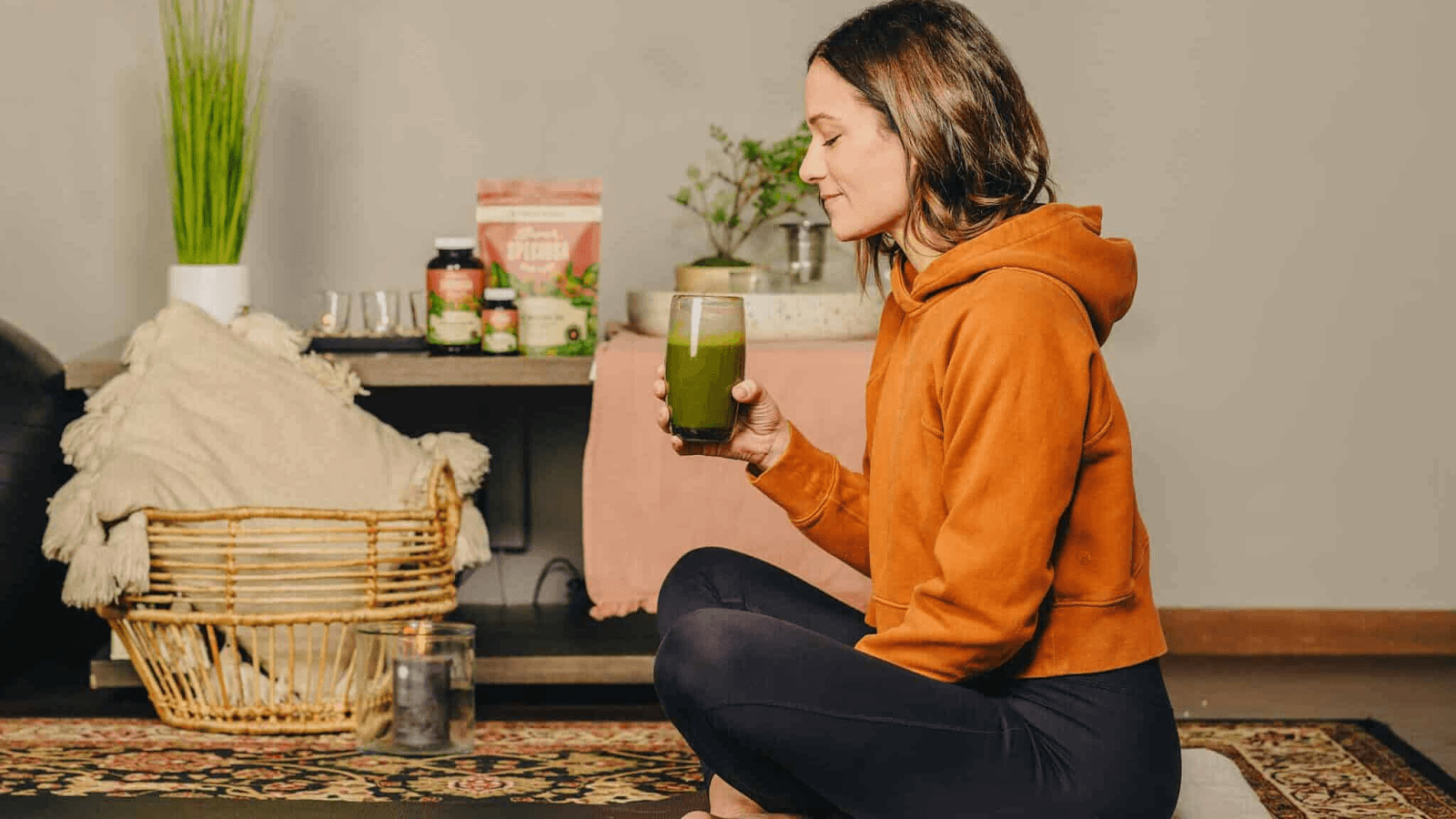
If you’re someone who doesn’t want to taste the bitterness of Kratom, here are some ways to consume it safely to enjoy the effects without having to taste it.
- Consuming Kratom tea is one such method that might even boost the effects of Kratom due to quicker absorption into your body. This method is especially good for those who use Kratom Bedrock Capsules to relax and ease discomfort. To improve the taste of your tea, try adding lemon and honey.
- Another method is adding red Kalimantan Kratom Bedrock powder to your protein shakes, smoothies, and even on your salads, doing this will not only mask its harsh taste but will also enhance its effects along with the healthy effects of fruits and veggies.
- You can also try the “toss and wash” method, where you put your dosage on your tongue and wash it down with your favourite drink.
- You can also try taking it in capsule form, this method is quick and convenient.
Kratom Red Kali Dosage
It is recommended to take it in moderation. Start with a low dosage and then gradually go up. Carefully notice what works for your body and what’s not. Here’s a simple guide to how much Red Kali Kratom you might want to use:
- For mild effects: 1-2 grams
- For moderate effects: 2-4 grams
- For typical effects for most people: 5-7 grams
Potential Side Effects of Kalimantan Red Vein Kratom

Using a lot of Kratom regularly can lead to side effects. Here are a few you might encounter and some tips on how to avoid them:
Dehydration
Kratom can cause dehydration because it’s a very drying herb. If you’ve ever felt how dry your mouth gets when you taste Kratom powder, drink a lot of water and keep sipping water while you’re using Kratom.
Constipation
Kratom can slow down your digestion, and when combined with not drinking enough water, this can cause constipation. If you notice this happening, you might need to lower your dose of Kratom. Also, make sure to drink plenty of water and eat foods rich in fibre.
Addiction And Tolerance
Regular or frequent Kratom use may lead some individuals to develop tolerance or physical dependence. This means a person may feel that they need to use more over time to experience similar effects or may experience unwanted symptoms after stopping.
If you use Kratom regularly and are considering reducing or discontinuing use, consider speaking with a qualified healthcare professional. Individual experiences may vary, and stopping after frequent use may cause uncomfortable symptoms in some people.
This information is provided for educational purposes only and is not intended to diagnose, treat, cure, or prevent any condition.
Things To Consider Before Buying Red Vein Kalimantan Kratom
Here are some important points to consider before buying Red Kalimantan:
- Source and Originality: Verify the origin of the Kratom. Authentic Red Vein Kali comes from the Kalimantan region in Indonesia. Make sure the vendor sources their product from this specific area to get a genuine product.
- Quality and Purity: Check the quality and purity of the Kratom. Look for vendors who provide lab-tested products to avoid contaminants or additives.
- Price: Compare prices with different vendors, but remember that extremely low prices might indicate poor quality. It’s worth paying a bit more for a safe and effective product.
- Legal Status: Check the legal status of Kratom in your area. It is not legal everywhere, so confirm that you can legally purchase and use it where you are currently living.
Bottomline
Now that you’ve understood why Red Kali is a widely known strain the reason is its mild effects and because it’s considered the original form of Kratom. It offers all the original benefits of Kratom, making it an excellent choice for both new users and experienced users.
This strain provides a well-balanced mix of active compounds. While it may not be the strongest available, Red Kali is a beginner-friendly strain. With the right dosage and careful usage, this vein Kratom is a recommended choice to enjoy the potential benefits according to your preferences.
FAQs
Is Red Kali Kratom Good For Beginners?
Absolutely, its balanced effects make Red Kali a good choice for those who are new to Kratom.
Can I Mix Red Kali With Other Strains?
Yes, some users mix it with other strains to adjust the intensity or type of effects, but it’s important to start with lower doses to see how your body reacts.
How Long Do The Effects Of Red Kali Last?
The effects may last for several hours, but this can vary depending on the individual and the dosage.
Kratom Preparation Methods: Tea, Toss and Wash & Mixing Tips
Kratom powder is most often prepared one of four ways: brewed as a tea, mixed into a drink, stirred into food like yogurt, or taken with the “toss and wash” method. The choice comes down to taste, texture and convenience. This guide walks through each preparation method step by step, plus how temperature, citrus and storage affect the powder itself. Shop powders in our kratom collection.
How do you make kratom tea?
Kratom tea is made by simmering powder in water and straining it. Measure the powder by weight, add it to 1 to 2 cups of water just below a boil (around 180–200°F), simmer 10 to 15 minutes, then strain through a fine mesh strainer or coffee filter. Most tea makers avoid a hard rolling boil because very high heat can break down plant compounds. Many people add lemon juice before simmering; citrus is a long-standing tea-making habit because its acidity helps pull more out of the leaf into the liquid. Honey, ginger or a regular tea bag can soften the bitter, earthy taste.
What is the toss and wash method?
Toss and wash means placing the measured powder in your mouth and washing it down with a drink. It is fast and needs no equipment, but the texture and taste are the strongest of any method. Tips that make it easier: use a small amount at a time, keep a full glass of water or juice ready, and use finely milled powder, which is less likely to clump. If texture is the problem, capsules skip it entirely. Our Kratom Gorilla Green Malay Jumbos are a capsule option with no taste or prep.
Prefer no prep? Kratom Gorilla Jumbos capsules, lab-tested. 21+.
What can you mix kratom powder into?
Kratom mixes best into thick or strongly flavored drinks and foods that mask its bitterness:
- Orange or grapefruit juice: acidity and sweetness cover the earthy taste.
- Chocolate milk or protein shakes: thick texture hides the grit.
- Yogurt or applesauce: stir in thoroughly and eat right away.
- Coffee: popular, though bitter on bitter. Our MIT percentage guide explains what is in the powder you are mixing.
Mix powder into a little liquid first to make a paste, then add the rest. That prevents the clumps described in our post on kratom powder clumping.
Does temperature or storage change kratom powder?
Yes. Heat, light, air and moisture all degrade kratom powder over time. Store it sealed, in a cool, dark, dry place, away from the stove and windows. Freezing works for long-term storage if the powder is in an airtight bag with the air pressed out; let it come to room temperature before opening so condensation does not form. Foam on a tea is normal plant material, as covered in our foam guide.
| Method | Prep time | Taste | Equipment |
|---|---|---|---|
| Tea | 15–20 min | Mild, earthy | Pot, strainer |
| Toss and wash | 1 min | Strong | Glass of liquid |
| Mixed drink | 2 min | Masked | Shaker or blender |
| Capsules | None | None | None |
Frequently asked questions
Should you boil kratom tea?
Most tea makers simmer just below a boil, around 180–200°F, rather than a hard boil.
Why add lemon to kratom tea?
Citrus is a traditional tea-making addition; its acidity helps draw more out of the leaf into the water and brightens the taste.
What is the easiest way to take kratom without the taste?
Capsules. They hold pre-measured powder with no taste or prep.
Shop lab-tested Kratom Gorilla powders and capsules. 21+ only.
Must be 21 or older to purchase. These statements have not been evaluated by the FDA. These products are not intended to diagnose, treat, cure, or prevent any disease.
Published by Bedrock Botanicals.
All About Kratom Hangover; Here’s What You Need To Know
If you’ve been using Kratom for some time now, you may have experienced a Kratom hangover. Many Kratom users don’t know what exactly it is, how it occurs, and how you can avoid or cure it but it’s a real thing. Kratom is an herbal substance that is known for its calming and relaxing properties but does Kratom give you a hangover?
If you’re asking this question, you’ve come to the right place. This article is a comprehensive guide on everything you must know about Kratom hangovers. Keep reading to get yourself educated on the topic to avoid and tackle such a situation in real time.
Understanding Kratom Hangover

A hangover is when you have overdosed on a substance beyond your body’s tolerance level, according to NIAAA (National Institute of Alcohol Abuse and Alcoholism).
Kratom, scientifically known as Mitragyna Speciosa is recommended to be taken in doses of 2-4 grams. As with any other substance, you should always be moderate to enjoy its effects, Kratom too should be taken in small doses (especially in the beginning). If you want to take another dosage of Kratom on the same day, you must wait for a minimum of 10 hours.
If you go beyond this time frame and dosage, no matter what Kratom strain you’re taking, your body will react to it resulting in a Kratom hangover.
Potential Signs And Symptoms Of Kratom Hangover
Now you know what Kratom Powder hangover is, this is the time to understand Kratom hangover symptoms. Once you understand these signs and symptoms, it’ll be easy for you to tackle the situation after quickly identifying it. The symptoms may include:
- Vomiting
- Headache
- Diarrhea
- Dry mouth
- Sweating
- Confusion
- Irritation
- Change in body temperature
- Weakness
- Muscle Cramps
Become a Wholesale Partner – Explore Our Kratom Seltzer Deals Today
What Causes A Kratom Hangover?
Now that you’ve understood what Kratom hangover is and what are the symptoms, the next question is what are the reasons behind this situation? Here’s a breakdown of the possible causes behind this phenomenon.
Kratom Overdosage
One of the main causes of hangover is consuming too much Kratom. Kratom, although a herbal supplement, is known to have a biphasic nature. This means that at lower doses, it is known to produce stimulating effects while on the other hand, at higher doses it can be highly sedating. So, an overdosage can push you towards its sedating effects leading to a hangover.
Taking Kratom On An Empty Stomach
Another reason behind a hangover might be taking Kratom on an empty stomach. Some users report that they had headaches and felt sick after taking Kratom on an empty stomach. So, make sure to take Kratom after you’ve had a meal, etc.
Poor Quality Kratom
A poor-quality Kratom strain may also be one of the reasons behind this situation. You must use quality Kratom that’s lab-tested and pure so you can avoid such a situation.
Dehydration
Not drinking enough water is one of the major reasons behind hangovers caused by Kratom. When you’re dehydrated, your body takes longer than usual to dilute the Kratom in your body.
Recovering From Kratom Hangover; What You Need To Do

At this point, you must have gotten the answer to your question does Kratom Capsules cause hangover? Yes, it does, and there can be plenty of reasons behind it. Now here’s the part that will tell you how to quickly recover from the Kratom hangover.
Hydrate Yourself
When you’re feeling the rough side effects of Kratom, grabbing a glass of water can be a huge help. Water gets to work by washing out those unwanted toxins and easing your headache.
Simply, having water helps keep everything in balance inside you, thinning out the Kratom in your bloodstream and keeping you in a normal state.
Take Healthy Diet
Never keep your stomach empty when you’re feeling a hangover. You need to recover and gain energy fast to get back on track. So, eating food rich in protein helps a lot in boosting your energy levels.
Exercise
Exercise can work wonders when you’re dealing with Kratom side effects. Whether it’s a gentle stretch, a brisk walk, or any light workout, getting your body moving helps a lot. Not only does it let you blow off some steam, but it also gets your blood flowing better. This boosts your body’s ability to clear out toxins quickly.
Over The Counter Medications
If your Kratom hangover is hitting hard, some common over-the-counter medicines like pain relievers or antacids may help. Just remember to talk to a doctor if you’re unsure about mixing them with other substances you’re taking.
Avoid Trying The “Hair Of The Dog” Strategy
Kratom for hangovers is not generally considered good. Dog of the hair strategy means consuming more Kratom to fix a Kratom hangover. This strategy is not recommended because it may mask some of the symptoms temporarily but it can lead to dependency and might worsen the situation if you keep doing it for a long time. Instead of this, you should go for another recovery approach for a stable outcome.
Kratom Hangover Vs Kratom Withdrawal – What’s The Difference
A lot of people confuse Kratom hangover with Kratom withdrawal. However, some symptoms are similar for both situations, but that doesn’t mean that they’re the same. Let’s see what’s the difference between the both.
A Kratom hangover is the result of an overdose of Kratom while a Kratom withdrawal is the result of not taking Kratom for a few days. Kratom withdrawal is when you’re trying to leave Kratom and your body’s taking time to adjust to a non-Kratom routine.
Bottom Line
Kratom hangovers are a tough reminder that even natural or herbal supplements need to be used in moderation. If you’re suffering from a Kratom hangover, remember you’re not alone. To get over it, focus on drinking plenty of water, resting, and taking good care of yourself. To avoid future hangovers, use Kratom responsibly and learn about its different strains.
Keep in mind that Kratom hangovers come from using too much. So, it’s important to know your limits to enjoy Kratom’s benefits without the regret the next day.
FAQs
How Long Does A Kratom Hangover Last?
Kratom hangovers can last between 2 to 3 hours. If you handle your symptoms well, the hangover might be easier to deal with.
How Much Kratom Can You Use Safely?
The safest amount of Mitragyna Speciosa, or Kratom, to take is between 1 and 3 grams. If you’re a regular user and your body is used to it, you may take a moderate dose of 3 to 5 grams.
Can You Take Kratom With An Empty Stomach?
No, it is not recommended to consume Kratom without eating anything. Either you eat something before taking your Kratom or you can take something after having your Kratom dose.
Kratom vs Ginseng: Plant, Origin, Forms & Legal Status Compared
Kratom and ginseng are unrelated plants: kratom (Mitragyna speciosa) is a Southeast Asian tree in the coffee family harvested for its leaves, while ginseng (Panax) is a slow-growing herb harvested for its root, native to East Asia and eastern North America. They differ in plant family, the part harvested, their main compound classes, the forms they are sold in, and how they are regulated. This page compares them side by side. It does not cover combining the two; ask a healthcare professional about that. Browse kratom in our kratom collection.
What is the difference between kratom and ginseng?
| Kratom | Ginseng | |
|---|---|---|
| Scientific name | Mitragyna speciosa | Panax ginseng (Asian), Panax quinquefolius (American) |
| Plant family | Rubiaceae (coffee family) | Araliaceae (ivy family) |
| Plant type | Tropical evergreen tree | Perennial herb |
| Part harvested | Leaves | Root |
| Native region | Indonesia, Thailand, Malaysia | Korea, China, eastern North America |
| Main compound class | Indole alkaloids (mitragynine) | Saponins (ginsenosides) |
| Common forms | Powder, capsules, extract shots, seltzers | Dried root, tea, capsules, extracts |
| U.S. status | Leaf legal federally; banned in some states | Sold as a food and dietary supplement |
Where do kratom and ginseng come from?
Kratom grows wild and on farms across Southeast Asia, where leaves are picked, dried and milled into powder. Ginseng takes years to mature: cultivated American ginseng is typically harvested after three to four years, and Wisconsin grows most of the U.S. crop. Wild American ginseng is listed under CITES Appendix II, so its export is regulated to protect wild populations.
What compounds are in each plant?
Lab testing for kratom focuses on alkaloids, especially mitragynine, which a certificate of analysis reports as a percentage. Read our MIT percentage guide for how to read that number. Ginseng is standardized by ginsenoside content instead, and supplement labels often list a ginsenoside percentage. The two compound classes are chemically unrelated.
Lab-tested kratom leaf in powder and capsule form. 21+ only.
How are kratom and ginseng regulated?
Ginseng is widely sold in grocery stores as tea and as a dietary supplement. Kratom’s status is more complicated. Natural kratom leaf is not federally controlled, but several states ban it, and concentrated or synthetic 7-OH has been federally scheduled since August 2026. Bedrock Botanicals sells natural leaf only and does not ship to states with bans. Check yours on our kratom legality by state page and verify your current local law before ordering.
How do the product formats compare?
Kratom is most often bought as fine powder or capsules, and increasingly as ready-to-drink shots like the Kratom Gorilla Howler. Ginseng is more often bought as whole or sliced root, tea bags, or standardized capsules. Both should come with batch numbers that link to lab results.
Frequently asked questions
Are kratom and ginseng related?
No. Kratom is in the coffee family and ginseng is in the ivy family.
Which part of each plant is sold?
Kratom products come from the leaf; ginseng products come from the root.
Can you take kratom and ginseng together?
We do not give advice on combining products. Talk to a healthcare professional.
Is ginseng legal everywhere kratom is?
Ginseng is legal nationwide as a food and supplement. Kratom is banned in some states, so check local law.
Shop Kratom Gorilla and Third Eye kratom. Lab-tested, 21+.
Verify your current local law before ordering.
Must be 21 or older to purchase. These statements have not been evaluated by the FDA. These products are not intended to diagnose, treat, cure, or prevent any disease.
Published by Bedrock Botanicals.
Red Borneo Kratom Vs. Red Bali: Differences And Comparison

If you are new to Kratom then you must be wondering what’s the deal with all these different Kratom strains? Let us tell you that each strain has its unique properties, effects, alkaloid composition, and taste. Among the wide selection of strains available, Red Borneo and Red Bali shine as popular favourites. These red-veined varieties hold a special place in the hearts of Kratom enthusiasts and people looking for natural ways to relax and unwind. For people who want to know more about Red borneo vs. Red Bali, let’s take a closer look at these two red vein varieties and see what sets them apart.
Red Vein Kratom
Before we talk about Red Borneo Kratom Vs. Bali, let’s first discuss what red vein Kratom variety is. You might already know that there are four main sorts of varieties: red, green, white, and yellow veins. Since out of these four, Red-veined Kratom is the most mature, red Kratom strains have the highest level of alkaloid concentration. This is why many people prefer to use Red Bali and Red Borneo.
Red vein Kratom strains are well-liked for their ability to reduce discomfort. But, depending on the area from which they originate, they may also have other advantages. Now let’s learn everything there is to know about Red Borneo and Red Bali Kratom.
Red Bali vs. Red Borneo
When naming a Kratom strain, it typically reflects both the vein colour and the region of origin. This naming convention can be clearly seen in strains like Red Bali and Red Borneo. Kratom is indigenous to Southeast Asia, with Bali and Borneo being renowned regions for its cultivation. Skilled farmers in these areas use various techniques to cultivate and harvest Kratom, leading to a diverse range of bedrock Kratom products available in the market.
Name And Origin
Red Bali leaves are huge and visible from a distance. Kratom enthusiasts adore this strain because of its potent alkaloid mix. As you may have already figured, Red Bali originates from the Indonesian Bali Islands. The temperature and soil conditions in this region are perfect for producing high-quality and potent Kratom varieties.
Red Bali Kratom comes loaded with a total of 40 distinct alkaloids. Among the most prevalent alkaloids found in Red Bali are Mitraphylline, 7-hydroxy mitragynine, Mitragynine, and 9-hydroxycorynantheidine.
As you might have guessed, Red Borneo, on the other hand, originates from the Borneo Islands. However, Kratom Red Borneo is not like Bali since this strain is not as exclusive. It is grown in Indonesia and Malaysia, as well as in Brunei. Borneo is referred to as Kalimantan in Indonesia.
Red Borneo is known to be one of the strongest red-veined strains on the market. Borneo originating from these islands is also available in green, white, and yellow veined varieties. The alkaloids found in this particular variety include corynoxine A and B, mitragynine, 7-hydroxy mitragynine, and 9-hydroxycorynantheidine.
Appearance
Distinguishing between different Kratom leaves can be challenging for those less acquainted with the plant. However, experienced Kratom farmers possess the ability to identify strains simply by observing the trees.
Red Bali leaves are notably large, and the growth rate of these Kratom plants surpasses that of others. Regardless of the vein colour chosen from the Bali variety, all leaves exhibit a reddish hue. On the other hand, Red Borneo powder often features a purple hue. Other than the leaf appearance, one thing that sets apart this variety from all the other strains is its aroma. Red Borneo is well-known for its calming smell. The aroma makes it easy to identify from other strains. This is one more way red Borneo and red Bali differ from one another.
Effects
Everything boils down to Kratom’s effects. You need to know what you want in a Kratom strain before you select one for yourself. When talking strictly about the potency of the effects, compared to Red Borneo, Red Bali has less potent effects.
While some use Kratom for medical reasons, others use it for recreational purposes. Some people wish to combine the two as well. In light of this, selecting the appropriate strain of Kratom is crucial if you have a preference for the effects.
Here are the typical Bali Kratom effects you can expect from using it:
- Red Bali induces relaxation in both the mind and body, offering sedative effects.
- It boosts physical stimulation and enhances cognitive function, leading to improved focus and concentration.
- Red Bali serves as a potential mood enhancer.
Red Borneo Kratom is well-known for its high potency. It is regarded as one of the most powerful strains of red veins, thanks to its alkaloids. The forests where this variety is cultivated foster the growth of Kratom with mature leaves, which significantly contributes to the potency of the Kratom.
Red Borneo Kratom effects are similar to those of red Bali. However, red Borneo has a higher potency, thus even a small dosage is more than enough to get you the desired effects.
Red Borneo offers the following effects:
- It is renowned for its exceptional relaxation properties, soothing the body and promoting a sense of calm.
- The sedative effects of red Borneo are beneficial in achieving better sleep quality.
- It reduces bodily discomfort, making it an ideal choice for unwinding after a taxing day.
- Red Borneo also induces euphoria, fostering feelings of positivity and warmth throughout the body
Final Word: Choosing Your Strain
When comparing Red Borneo vs. Red Bali Kratom, the optimal choice hinges on personal preference. Red Borneo and Red Bali are comparable in their effects, therefore what sets them apart is not so much their effects but their differing alkaloid composition, i.e. their potency. It is important to be aware of these two varieties before trying out any of these strains in order to ensure that red vein Kratom is enjoyable. We hope that this blog has helped you choose the best strain for your needs by highlighting the distinctions between Red Borneo and Red Bali Kratom.
Disclaimer: The statements in this article are only the authors’ best information on the subject and, as such, should not be interpreted as a form of medical advice. Consult with a doctor before use.
Wholesale Benefits Just a Click Away!