

Uncategorized
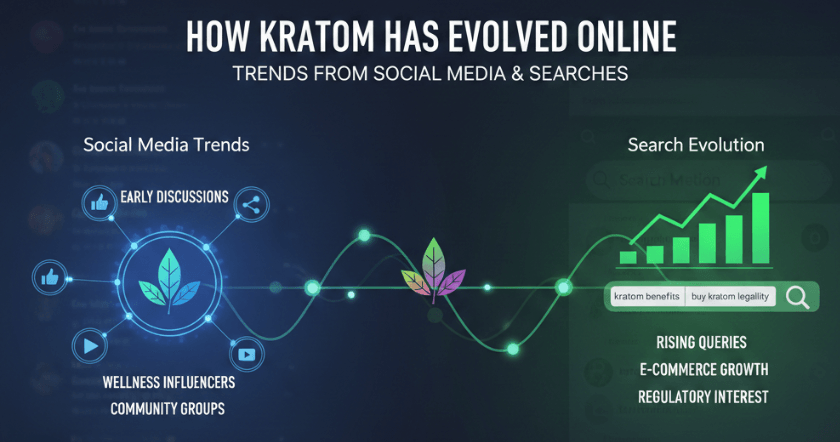
How Kratom Has Evolved Online: Trends From Social Media & Searches

Many lesser-known types of Kratom subtly provide distinctive effects and experiences; it’s not only about the well-known, popular strains. Whether you’re seeking deeper relaxation, balanced focus, or mild energy without the intensity of popular alternatives, these secret Kratom strains provide an opportunity to refine your habit. You may learn more about how minute variations in vein color, location, and processing affect your experience by investigating them. As usual, careful use and high-quality sources are crucial, but continuing to be interested in these obscure strains might help you discover your new favorite.
Third Eye: Kava + Kratom (Pineapple) – Bedrock Botanicals
1. Kratom’s Initial Online Presence
The majority of Kratom references in the early 2010s were limited to specialized blogs and specialist forums. The first places to use Kratom material were independent wellness websites, herbalist groups, and Reddit. These discussions were frequently anecdotal, with participants offering their own questions, theories, or experiences.
In contrast to the widespread internet presence of today, these early conversations were:
- Minimal volume
- Extremely specialized
- User-driven as opposed to popular
This time frame created organic interest that eventually escalated into search engine traffic, laying the groundwork for more widespread curiosity.
2. Search Trends: Awareness And Curiosity Throughout Time
Growing Worldwide Searches
The public’s curiosity is clearly indicated by search engines such as Google. Search volume began to increase over time for queries like “what is Kratom,” “Kratom effects,” and “Kratom legality.” These patterns point to many crucial stages:
- Early in the 2010s, the discovery phase saw a low search traffic that was mostly restricted to areas where users were first interested.
- Phase of expansion (mid-2010s): As more individuals learned about Kratom online and through word-of-mouth, there were noticeable increases.
- Peak mainstream awareness (late 2010s–early 2020s): Discussions about health, government disputes, and regulatory news saw a jump in searches.
Google Trends data, which tracks relative search interest over time, highlights how media coverage influences public searches by displaying recurrent peaks anytime Kratom is mentioned in news headlines or policy conversations.
People frequently looked for:
- Broad definitions
- “Is Kratom legal where I live?”
- “Kratom advantages vs. dangers”
- “Alternatives”
- Scientific research and news stories
Note: Rather than consumption rates, these patterns represent public interest and knowledge seeking.
Third Eye: Aurora Maeng Da (Capsules) – Bedrock Botanicals
3. Social Media: From Niche To Widespread Conversation
Specialized Communities And Reddit
One of the most popular sites for discussing Kratom is Reddit. Subreddits devoted to lifestyle, health, and herbal subjects received contributions from thousands of members. These topics often addressed:
- Individual experiences (anecdotal)
- Concerns regarding legality
- Links to scholarly publications
- Talking about news and trends
Although the quality of the material in these communities varied, they served as early centers for peer-to-peer dialogue and the exchange of collective knowledge.
YouTube And Educational Videos
There are many different types of films on Kratom on YouTube, ranging from news explainers and short documentaries to science-based analyses by content producers that are interested in drugs and health. Among the popular video subjects were:
- Explainers: “What is Kratom?”
- Updates to policies and changes in the law
- Interviews with journalists or researchers
This format helps spread Kratom herb discussions to people outside of text-based forums because video is very accessible.
TikTok, Instagram, And Short-Form Content
Instagram and TikTok are examples of short-form platforms that show a change in how consumers find topics:
Hashtags: Over time, terms like #Kratom, #herbs, and similar tags gathered millions of views.
Educational videos: Bite-sized summaries of research or legal news were released by the creators of educational videos.
Creative outreach: A few people posted amusing or imaginative “myth-busting” content.
But over time, platforms also imposed more stringent regulations on information on drugs, particularly anything that can be seen as endorsing usage, which influenced the public discourse surrounding Kratom.
4. The Function Of Niche Creators And Influencers
Some producers became interested in the best Kratom as a result of the growth of social media influencers in the lifestyle, holistic wellness, and alternative health sectors. These figures served as amplifiers of Kratom discussions, frequently providing clear explanations of difficult subjects.
Influencer participation typically follows more general trends:
- Increased queries and searches following postings that went viral
- Sharing videos and blogs across platforms
- User-generated material is quickly raising awareness
It’s crucial to recognize that the truth and goal of influencer material vary greatly, ranging from anecdotal personal tales to summaries supported by research.
Kratom Dosage Guide: From 1g to 7g And Beyond Safely – Bedrock Botanicals
5. Regulation And Media Attention Fueling Internet Interest
Policy and legal news have been one of the most reliable sources of Kratom searches and social conversations.
Policy Discussions Cause Increases
Search interest usually rises whenever a major news organization reports on the legal status of Kratom, whether in the US, the EU, or another country. People look for:
- How users are impacted by legislation
- Local laws and ordinances
- Views from knowledgeable sources
This trend demonstrates the public’s need for accurate, current regulatory information, particularly in situations when rules are complicated or changing.
Publications And Research In Science
Online information searches are also influenced by official health organization reports, clinical research, and academic studies. Online searches for research-related topics typically increase when a new study is released or mentioned in the media.
6. Narrative Shift: Promotion vs. Information
An important change in internet discourse is a move away from promotion and toward information:
- Early conversations frequently focused on individual experiences.
- Subsequent content increasingly consists of research-based, regulatory, and educational content.
- Platform rules and community moderators have promoted more impartial, educational conversations.
This change is indicative of a larger trend on the internet, as communities transition from anecdotal to organized, evidence-based discourse.
Kratom Drink Reviews | Best Kratom Beverages to Try This Year
7. Difficulties In Online Discussions
Even with more communication, internet platforms still have difficulties:
Misinformation: Not all sources are reliable or impartial.
Policy Restrictions: Social media sites may restrict conversations about drugs.
Data Gaps: While interest patterns are displayed by search engines, user intent and behavior are not.
These difficulties emphasize how crucial it is to value reliable information and evaluate internet information cautiously.
9. The Prospects For Online Kratom Discussions
In the future, many phenomena are probably going to keep influencing digital discourse:
Increased Integration Of Science
Online discussions may become more fact-based as research expands, particularly if respectable organizations release easily readable summaries.
Interest Driven By Policy
New waves of internet research and social discourse are likely to be sparked by regions reviewing laws or rules.
Community-Based Learning
Online communities might keep emphasizing fair discourse and creating tools to assist in distinguishing reality from fiction.
Kratom Seltzers: The Ultimate Alcohol-Free Chill Drink | Drink noms
Conclusion
The online Kratom narrative illustrates more general themes in the dissemination of knowledge in today’s world, from specialized forums to popular search engines and social media sites. Early curiosity has given way to more organized, research-focused conversations that are frequently motivated by news, politics, and scientific investigation.
Knowing these patterns makes it easier for academics, observers, and inquisitive students to understand how public opinion evolves online and how digital platforms influence how we learn about and discuss difficult subjects.