

Blog
Shipping Kratom To Your State: What Retailers Need To Know

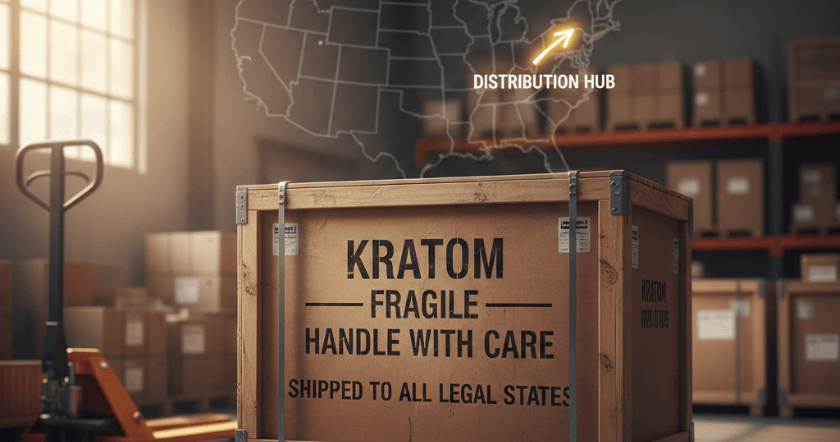
Over the past ten years, one of the botanical items with the greatest rate of growth in the U.S. supplement industry has been Kratom. Retailers nationwide sell Kratom, a natural substance made from the leaves of Mitragyna speciosa, both online and in physical places. However, delivering the best Kratom is more complicated than just packing an item and giving it to a carrier. For sellers that transport products over state borders, compliance is crucial because Kratom’s legality and regulatory requirements differ significantly by state, as well as by city and county.
This blog post explains what sellers should know before shipping Kratom to customers, as well as how to do so responsibly and legally.
Kratom vs. Yerba Mate: Best Natural Energy Boosters- Bedrock Botanicals
1. First, Comprehend The Federal Landscape
Kratom holds a special and rather confusing standing at the federal level. The U.S. Food and Drug Administration (FDA) does not authorize Kratom for medical use and has issued warnings regarding its safety, although it is not listed as a restricted substance under the U.S. restricted Substances Act. A proposal to schedule Kratom was originally made by the Drug Enforcement Administration (DEA), but it was shelved due to public opposition.
Crucially, This Implies:
- The transportation of healthy Kratom across state boundaries is not specifically forbidden by federal law.
- However, carriers may decline to ship products they believe to be herbal medications or supplements without making the necessary disclosures, and Kratom products may be the subject of FDA inspection or import warnings.
The majority of Kratom regulations are pushed to the state and municipal levels, where the true complexity is found, due to federal uncertainty.
2. Find Out Which States Outright Prohibit Kratom
Several states in the United States have taken the harshest possible approach by outright banning Kratom. Kratom possession, sale, distribution, and transportation are prohibited in these states. Kratom cannot be sent by retailers to the following states:
- Alabama
- Arkansas
- Indiana
- Rhode Island
- Vermont
- Wisconsin (as of the legal status as of 2025)
Retailers and even customers may face criminal charges if they ship Kratom to clients in certain states. Because of this, sellers must have a current list of prohibited areas and enforce stringent address screening at the point of sale.
3. Keep An Eye Out For County-Level And Local Bans
Cities and counties may have their own prohibitions or limitations that make shipment to specific addresses illegal, even in jurisdictions where Kratom is allowed. Examples consist of:
- Despite being lawful throughout the state, Kratom is prohibited within the municipal boundaries of San Diego, California.
- Denver, Colorado: Some jurisdictions ban the sale of Kratom, and stringent labels and regulations are in place.
- Local prohibition exists in Sarasota County, Florida, even though the state allows legal.
- Kratom has been outlawed in many Illinois and Mississippi small towns.
Retailers should check shipping addresses at checkout against the most recent local and municipal rules to prevent legal issues and unhappy customers.
Kratom Dosage Guide: From 1g to 7g And Beyond Safely – Bedrock Botanicals
4. Comply With State-Specific Regulations
Numerous states have passed Kratom Consumer Protection Acts (KCPA) or other legislation, including those that regulate rather than outlaw Kratom. These regulations mandate certain safety, labeling, and administrative controls, but do not forbid selling or shipment.
Typical components of these rules consist of:
- Minimum buying age (usually 18 or 21).
- Potency reports and independent laboratory testing.
- Warnings such as “not for human consumption,” “age restrictions,” and “keep out of reach of children” should be clearly labeled.
- Labels include information about the manufacturer or distributor.
As of 2025, Arizona, Georgia, Nevada, Utah, Oklahoma, and Oregon were among the states having current KCPA legislation; other states have expanded or updated their requirements.
For merchants, compliance is making sure your products and packaging meet the specifications of each state before sending them there. It is frequently beneficial to hire legal counsel or compliance experts who are knowledgeable about KCPA regulations.
5. Put Intelligent Checkout Controls In Place
A smart checkout system is the easiest way to stop illicit shipments since it:
- Prevents delivery to prohibited states and local areas.
- Confirms age using the delivery address and billing details in states that have age restrictions.
- Displays legal notices before the completion of the transaction, depending on the location of the consumer.
You run the risk of errors and responsibility when you rely on manual checks. Geolocation and address-validation solutions that automatically restrict forbidden destinations can be integrated into modern e-commerce systems.
6. Carefully Prepare The Shipping Paperwork
When USPS ships Kratom, carriers including USPS, FedEx, and UPS may need extra paperwork or disclaimers:
- Certain shipping declarations must be included on the bill of lading in some states. For instance, according to Florida law, shipping documentation must clearly indicate that Kratom can only be transported to those who are 21 years of age or older, and delivery firms must check identification at the time of delivery.
- Others insist on labels and warnings indicating that the product is not FDA-approved.
Retailers should inquire about carriers’ shipping rules for herbal supplements and be prepared to provide any supporting documents.
Jong Kong Kratom: Complete Guide & Key Insights
7. Stay Current On Quickly Changing Laws
Laws governing Kratom are constantly changing. For example, in order to increase consumer safety, New York recently passed new age limitations and labeling regulations.
Furthermore, other states that are now debating bans—like Ohio—may soon see a significant change in legislation.
Retailers ought to:
- Get legal updates from organizations that support Kratom.
- Consult state legislative tracking services on a regular basis.
- Assign legal counsel or a compliance officer to keep an eye on any developments.
If you don’t keep up with the latest developments, you can ship to a recently prohibited jurisdiction without recognizing it, which might be expensive from a legal standpoint.
8. Educate Your Staff And Clients
Responsible free Kratom shipping involves more than simply avoiding illicit shipments; it also involves safeguarding your company’s reputation and clientele.
Crucial Information To Share Internally
- A thorough comprehension of the Kratom shipping policies of the firm.
- State-by-state variations in legislation.
- Instructions on how to utilize the address-validation and compliance tools at your checkout.
What To Tell Clients When They Check Out
- The precise language of any statutory prohibitions or limitations that are relevant to their address.
- Criteria for identification and age.
- Why are some things not able to be transported to their destination?
In addition to lowering chargebacks and consumer complaints, clear communication fosters trust.
9. Recognize The Dangers Of Failure To Comply
A business may face severe repercussions if it ships Kratom to a state that prohibits:
- Order cancellations and refunds
- Refusal or confiscation by the carrier
- Civil penalties or fines from state regulators
- Criminal prosecution in states with stringent prohibitions
Since enforcement differs from state to state, you can’t rely on ignorance of the law as a defense. Risk can be reduced by taking proactive compliance measures.
10. The Best Strategies For Extended Success
For merchants that wish to ship Kratom while expanding sustainably:
- Keep a thorough compliance matrix with the legislation for each state and significant city.
- Every quarter or at the conclusion of significant legislative sessions, update that matrix.
- Invest in compliance technology that can instantly identify address limits.
- For license and label assessments, collaborate with knowledgeable lawyers from the Kratom sector.
- Join trade groups that keep an eye on legislative developments.
These recommended practices give you legal protection and establish your company’s credibility with both consumers and authorities.
Kratom Seltzers: The Ultimate Alcohol-Free Chill Drink | Drink noms
Conclusion
Transporting Kratom involves more than just logistics; it involves navigating several legal and regulatory frameworks. Not all Kratom is accepted everywhere, and even when it is, several standards regarding age, labeling, and delivery must be fulfilled. Retailers who make investments in smart technologies, compliance infrastructure, and continuous legal monitoring will be in the best position to prosper as rules continue to change in 2026 and beyond.
Compliance boosts consumer trust, safeguards your company, and increases the validity of the larger Kratom industry. You’re doing the right thing for both your consumers and your business when you put legal Kratom shipping procedures first.