
Blog
Why the Same Kratom Can Vary: Batch, Freshness, MIT % & Storage
Two bags of the same kratom strain can differ because kratom is a natural crop: alkaloid content changes with the harvest, drying and curing method, freshness, moisture and storage. The strain name alone does not guarantee an identical product from batch to batch. This guide explains the product factors behind batch variation and how to use lab results to compare. Shop lab-tested powders in our kratom collection.
Why does the same kratom strain vary between batches?
Kratom leaves are harvested from trees grown in different regions, soils and seasons, and leaf maturity at harvest changes alkaloid levels. Vein color names (red, green, white) mostly describe leaf maturity and drying method rather than a fixed genetic strain. So a “Red Bali” from one harvest can test differently from the next. That is normal for an agricultural product and is exactly why batch-level lab testing matters.
What does MIT percentage tell you?
Mitragynine (MIT) is the most abundant alkaloid in kratom leaf, and a certificate of analysis (COA) reports it as a percentage of weight. Comparing MIT percentage between two batches is the most objective way to compare them, far more reliable than the name on the bag. See our full guide to MIT percentage in kratom.
Every batch lab-tested. Compare the COA, not just the strain name. 21+.
How do freshness and storage change kratom?
Kratom powder slowly degrades when exposed to heat, light, air and moisture. Powder that has been opened and left in a warm, bright spot for months will not match a freshly sealed bag. Signs of old or poorly stored powder include faded color, a musty smell and clumping. Store kratom sealed, cool, dark and dry. Read more on kratom powder clumping and how long kratom powder stays fresh.
Does format matter?
Yes. Powder, capsules and extract shots are different products measured in different ways. Capsules hold a fixed weight of powder per capsule; shots list an extract figure in milligrams; powder is weighed by the gram. Switching formats is not a one-to-one swap, so read each label on its own terms. Our kratom serving size guide covers how measurements convert.
| Factor | Why it varies | How to check |
|---|---|---|
| Harvest / leaf maturity | Alkaloid levels change with age and season | COA by batch |
| Drying and curing | Sets vein color and alkaloid profile | Strain + COA |
| Freshness | Powder degrades over time | Pack date, smell, color |
| Storage | Heat, light, air and moisture | Sealed, cool, dark, dry |
| Format | Powder, capsule and shot are measured differently | Read each label |
How do you get a consistent product?
Buy from a vendor that publishes batch-level COAs, note the batch number of a product you like, store it properly, and stick with one format. Sticking with one brand line, such as Kratom Gorilla Jumbos, also helps because the same producer controls sourcing and processing.
Frequently asked questions
Is batch variation a sign of a bad product?
Not on its own. Kratom is a natural crop, so some variation is normal. A COA shows how much.
What does red, green or white vein mean?
Mostly leaf maturity and drying method, not a separate plant species.
How should I store kratom powder?
Sealed, in a cool, dark, dry place, away from heat and light.
Shop Kratom Gorilla and Third Eye, lab-tested by batch. 21+.
Must be 21 or older to purchase. These statements have not been evaluated by the FDA. These products are not intended to diagnose, treat, cure, or prevent any disease.
Published by Bedrock Botanicals.
Our Related Blogs
Our Products
-
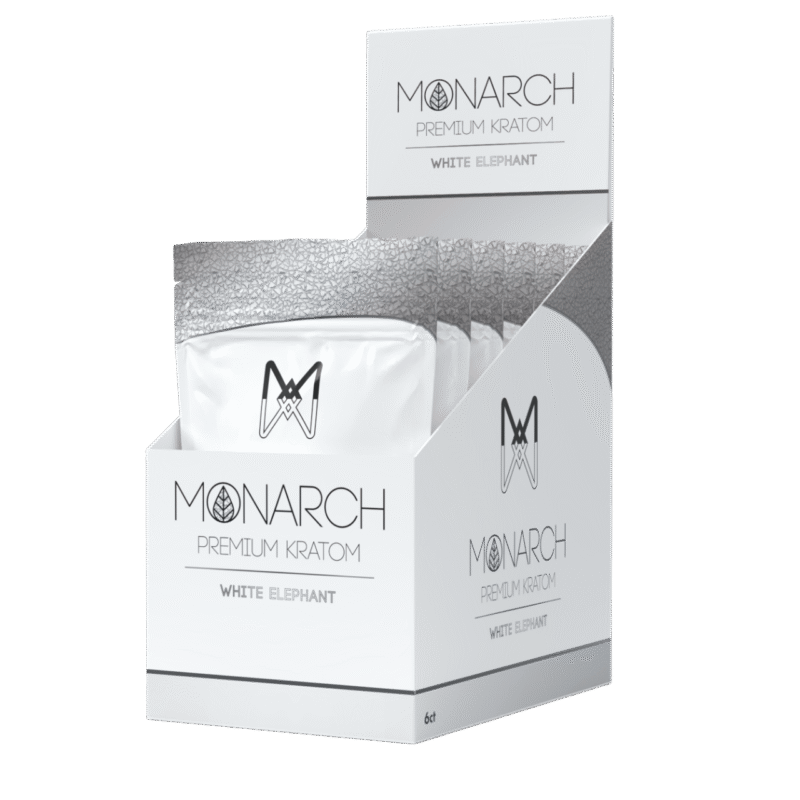 Monarch: White Elephant
$4.99 – $129.99Price range: $4.99 through $129.99
-
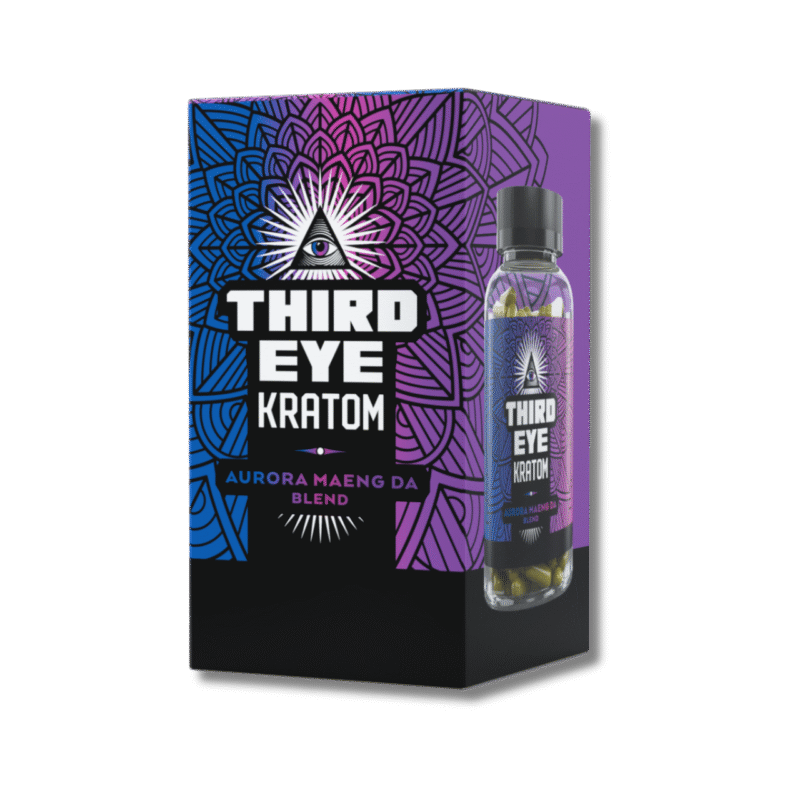 Third Eye: Aurora Maeng Da (Capsules)
$3.99 – $33.99Price range: $3.99 through $33.99
-
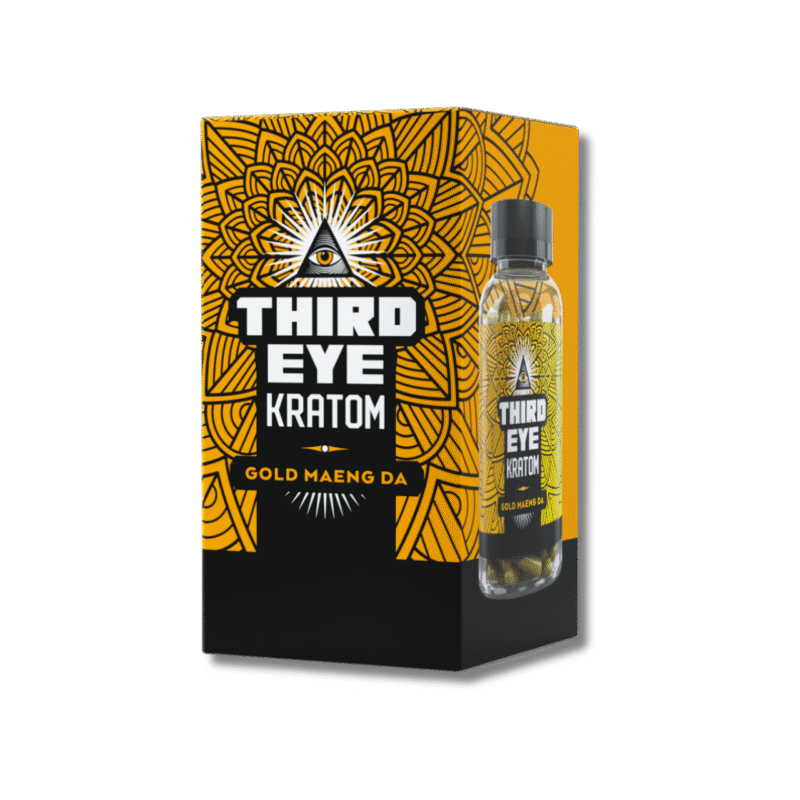 Third Eye: Gold Maeng Da (Capsules)
$3.99 – $33.99Price range: $3.99 through $33.99