
Posts by Justin Pickrell
What Are Kava Seltzers? Cans, Flavors & How to Compare

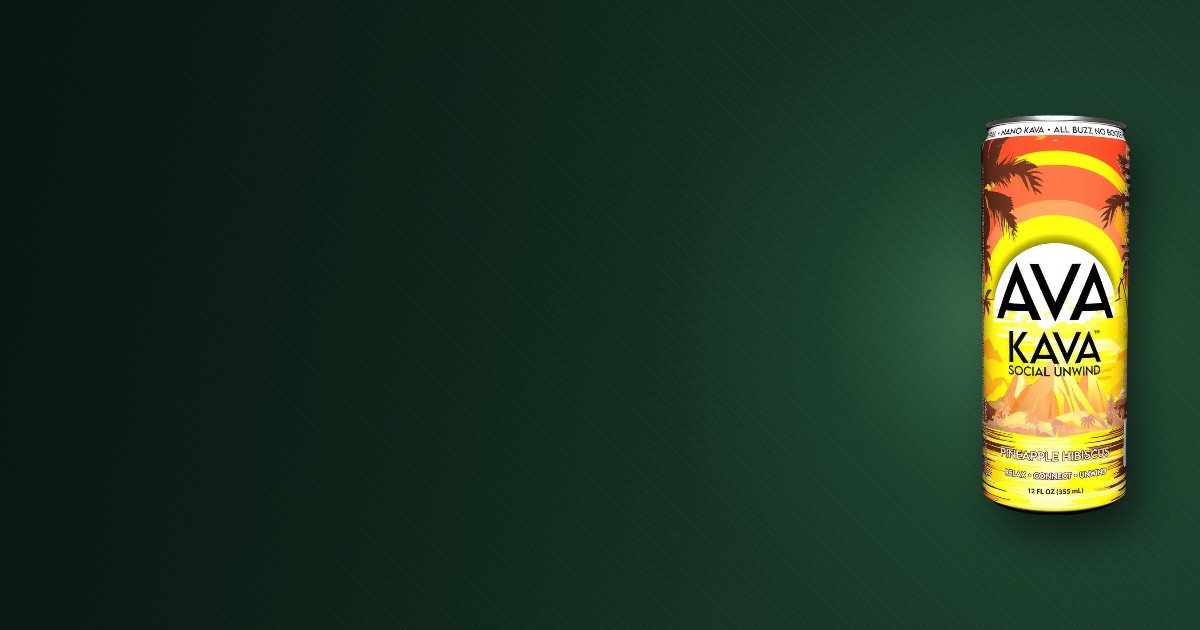
Featured: Ava Kava Pineapple Hibiscus kava seltzer, a 12 oz noble kava seltzer, one of six Ava Kava flavors at Bedrock.
Quick answer: Kava seltzers are canned, carbonated drinks made with kava (Piper methysticum) root, plus water and flavoring. Most come in 12 oz cans and are sold as singles or 12-packs. To compare them, look at can size, kava type (noble or not), the kavalactone figure on the can, price per can, and whether a lab report is available.
What is in a kava seltzer?
Kava is the root of a pepper-family shrub native to the South Pacific. The DEA’s kava fact sheet describes it as “a perennial shrub native to the South Pacific Islands.” For centuries the root has been ground and mixed with water as a traditional drink in Fiji, Vanuatu and Tonga. A kava seltzer takes that root, prepares it as an extract or concentrate, and blends it into sparkling water with natural flavoring and usually a sweetener.
A typical kava seltzer label lists:
- Can size: 12 fl oz is standard
- Kava type: look for “noble kava,” the cultivars traditionally grown for drinking
- Kavalactone content: kavalactones are kava’s measured compounds. Some brands print mg per can, and some don’t
- Flavor and full ingredient list
- Lot number, 21+ notice and FDA disclaimer
If a can doesn’t list kavalactones, ask the seller for the batch COA (certificate of analysis) before you compare brands on content.
How are kava seltzers different from kava shots, kava powder and kratom seltzers?
All of these are ready-to-buy formats, but they differ in plant, package size and price.
| Format | Plant | Package | Example at Bedrock | Price |
|---|---|---|---|---|
| Kava seltzer | Kava root | 12 oz carbonated can | Ava Kava Tangerine | $5.99/can |
| Kava shot | Kava root | Small concentrated bottle | Kava Kazees 1000mg | $12.99 |
| Kava powder | Kava root | Bag of ground root, mixed at home | Kava collection | Varies by weight |
| Kratom seltzer | Kratom leaf (a different plant) | Carbonated can | Noms kratom seltzers | $5.00 |
The main trade-off is preparation versus price. Powder costs the least per serving of root but has to be mixed and strained. A seltzer costs more per can and is opened cold, with nothing to prepare. Shots fall in between: concentrated, small and shelf-stable. For the shot format, see what kava shots are.
Ava Kava seltzers: noble kava, 12 oz cans, six flavors, third-party lab tested, 21+.
What flavors do Ava Kava seltzers come in?
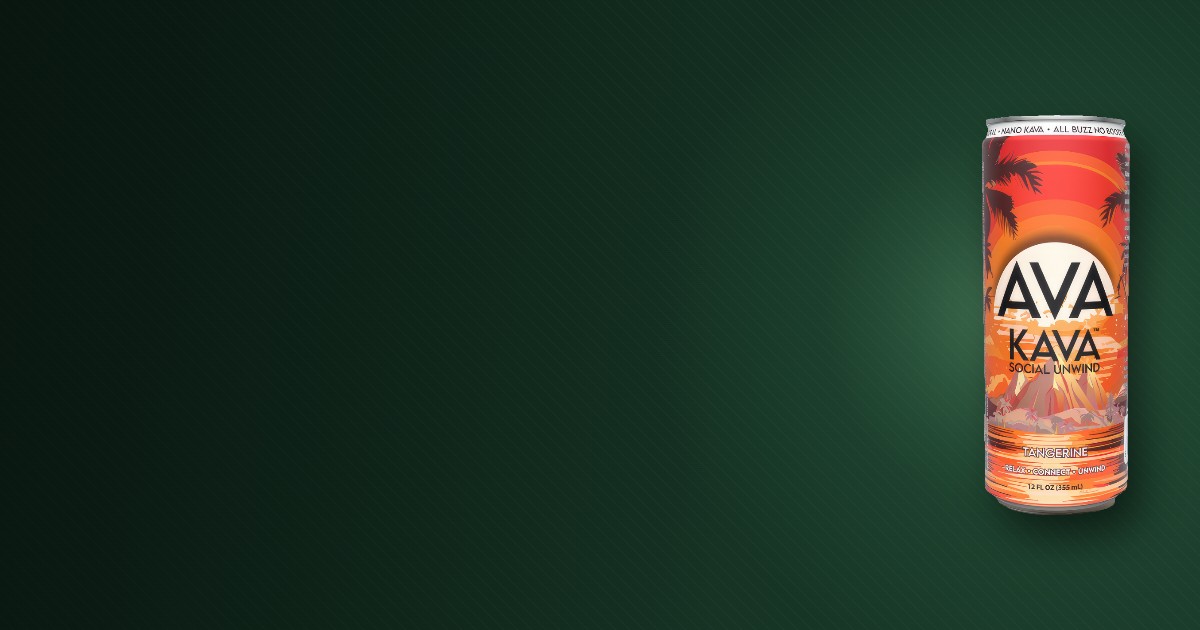
Bedrock carries six Ava Kava flavors, each in a 12 oz can at $5.99, sold as a single or a case of 12:
- Tangerine
- Pineapple Hibiscus
- Prosecco (alcohol-free; the name describes the flavor)
- Margarita (alcohol-free; flavor only)
- Melonade
- Cucumber Lime
Buying a case of 12 is the easiest way to compare price per can against single cans. If you’re trying the format for the first time, a mixed set of singles lets you compare flavors before you commit to a case.
How do kava seltzer brands compare?
The kava seltzer category is young, and new brands launch regularly. In August 2026, Vibes Beverages announced Hot Tropic, a canned kava seltzer co-manufactured by Burma Brewing in Fort Myers, Florida. At launch it was distributed in Florida, Utah, Colorado, Arizona, Ohio and New York. Its release did not list a can size, kavalactone figure or price.
That gap is common in the category, so compare brands on what they actually publish:
| Check | Ava Kava (at Bedrock) | What to look for in any brand |
|---|---|---|
| Can size | 12 oz | Listed on the can |
| Kava type | Noble kava | “Noble” stated on the label or site |
| Lab testing | Third-party lab tested | A batch COA you can request |
| Price | $5.99 per can, case of 12 available | Price per can, single vs. case |
| Other ingredients | Kava-only (no kratom) | Check for added botanicals, caffeine or kratom |
Are kava seltzers legal?
At the federal level, yes. The DEA’s kava fact sheet (April 2026) states that “Kava is not controlled under the Controlled Substances Act.” Local rules and retailer age limits vary. Bedrock sells to adults 21+ only. Kava is a different plant from kratom, so kratom state bans don’t automatically apply to kava; see kratom vs kava for how the two differ. Verify your current local law before ordering.
How should you store kava seltzers?
Keep unopened cans somewhere cool and out of direct sunlight, and refrigerate after opening, as the label directs. Serve chilled. Check the lot number and use-by date on the can, and don’t buy dented or bulging cans. For background on the plant itself, read what is kava.
Kava seltzers FAQ
What is a kava seltzer?
A kava seltzer is a canned, carbonated drink made with kava (Piper methysticum) root, plus water, flavoring and usually a sweetener. Ava Kava seltzers, for example, come in 12 oz cans in flavors like Tangerine and Prosecco.
Is a kava seltzer the same as a kava shot?
No. Both are ready-to-drink, but a shot is a small, concentrated bottle (Kava Kazees lists 1000mg on a single shot). A seltzer is a full 12 oz carbonated can meant to be sipped like any canned drink.
Do kava seltzers contain kratom?
Kava and kratom are different plants. Kava is a pepper-family root from the South Pacific; kratom is a coffee-family leaf from Southeast Asia. Ava Kava seltzers are kava-only. Some other brands sell combined kava + kratom drinks, so read the ingredient list.
Is kava legal in the U.S.?
Under federal law, yes. The DEA’s April 2026 kava fact sheet states that kava is not controlled under the Controlled Substances Act. Verify your current local law before ordering.
How should I store kava seltzers?
Store unopened cans somewhere cool and out of direct sunlight, and refrigerate after opening, per the product label. Serve chilled.
Shop all kava formats: seltzers, shots and powder. Noble kava, lab tested, 21+.
Must be 21 or older to purchase. These statements have not been evaluated by the FDA. These products are not intended to diagnose, treat, cure, or prevent any disease. Verify your current local law before ordering.
Published by Bedrock Botanicals.
What Are Kratom Shots? Formats, Labels & How to Compare
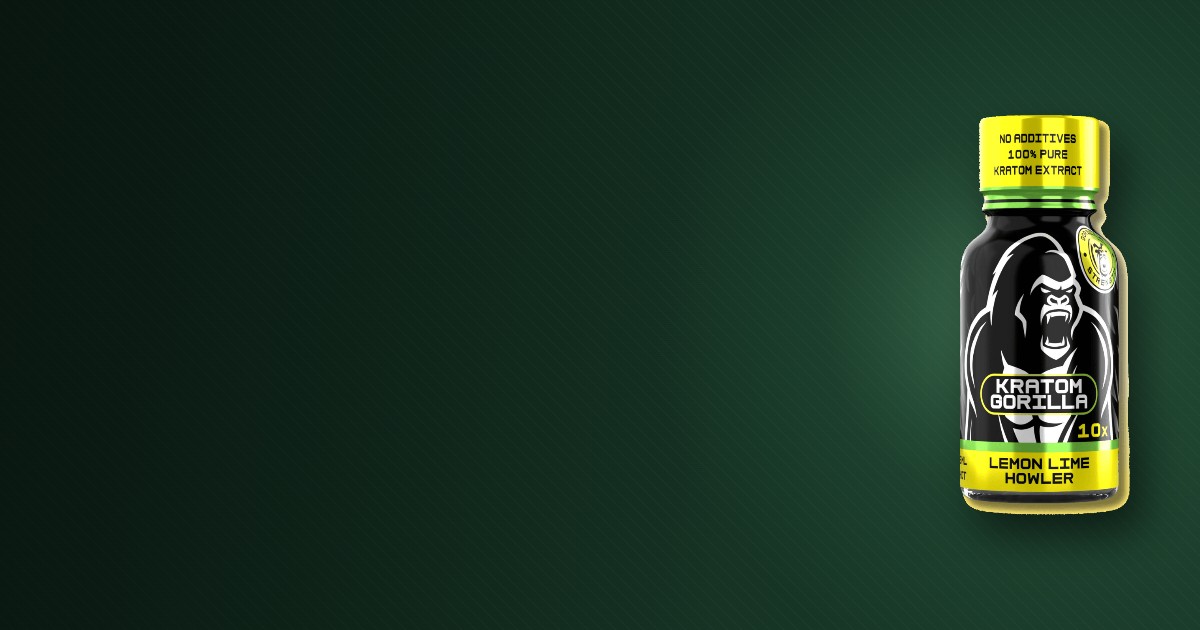
Featured: Kratom Gorilla Howler 150mg kratom shot, a leaf-extract shot from Bedrock’s own Kratom Gorilla line.
Quick answer: Kratom shots are small bottles of liquid kratom leaf extract, usually 10–60 mL, often flavored, and sold as a single ready-to-drink unit. The label gives the alkaloid content, most often as total milligrams of mitragynine (MIT) per bottle. To compare shots, look at bottle size, MIT milligrams, price, and whether a batch COA is published.
What exactly is in a kratom shot?
A kratom shot starts as dried Mitragyna speciosa leaf, a tree in the coffee family (Rubiaceae) native to Southeast Asia. The leaf is extracted to concentrate its alkaloids, then blended into a liquid base with water, flavoring and sometimes sweetener. Mitragynine is the main alkaloid in kratom leaf, so it is the number most brands print on the front of the bottle.
A typical shot label shows:
- Net volume (for example, 15 mL or 2 fl oz)
- Alkaloid content (for example, “150mg MIT” per bottle)
- Flavor and ingredient list
- Batch or lot number, which links the bottle to its lab report
- 21+ warning and FDA disclaimer
How are kratom shots different from powder, capsules and seltzers?
All four formats start from the same leaf. The differences are processing, packaging, how the label is stated, and price per unit.
| Format | What it is | How the label is stated | Example at Bedrock |
|---|---|---|---|
| Powder | Dried, ground leaf | Net weight in grams | Kratom powders |
| Capsules | Ground leaf in pre-filled capsules | Capsule count and grams per capsule | Kratom Gorilla Jumbos |
| Shot | Concentrated leaf extract in a small bottle | mL per bottle and mg MIT per bottle | Kratom Gorilla Howler |
| Seltzer | Leaf extract in a carbonated can | Fl oz per can and mg MIT per can | Noms kratom seltzers |
Shots come in the smallest package of the four, so they cost the most per mg of alkaloid. What you pay for is a measured, pre-portioned liquid that needs no preparation. Powder costs the least per gram and is the most work to prepare.
Kratom Gorilla and Third Eye extract shots: leaf only, third-party lab tested, 21+.
How do you read the mg number on a kratom shot label?
On most shot labels the milligram figure is the total mitragynine in the whole bottle. It is not a per-sip figure and not a recommendation. A “150mg” Kratom Gorilla or Third Eye shot states 150 mg of MIT across the full bottle.
Two checks make that number trustworthy:
- Match the lot number to a COA. A certificate of analysis from a third-party lab should list MIT and any other alkaloids measured, plus contaminant panels. Our guide on how to read a kratom COA walks through each section.
- Compare like with like. Some brands print MIT per bottle and others print extract milligrams, which is a different measurement. Our explainer on MIT percentage in kratom covers the difference.
Bedrock does not advise on how much of any product to use. Follow the product label, and ask a qualified medical professional about anything to do with personal use.
How do kratom shot brands compare on size and price?
Here is how the shots Bedrock carries compare, using listed prices and label specs as of October 2026:
| Shot | Label spec | Bedrock price | Notes |
|---|---|---|---|
| Kratom Gorilla Howler | 150 mg | $17.99 | Owned brand. Also in Silver Back and Orangutang |
| Third Eye Strawberry Mango Pineapple | 150 mg | $17.99 | Owned brand, fruit flavors |
| Hush Ultra (Lime, Coffee) | Shot | $16.49 | Carried brand |
| K-Tropix Shot | 15 mL | $19.99 | Carried brand. Also sold in NANO 10 mL versions |
| Tru Moods Red Nano | 120 mg MIT, 2 oz | $12.99 | Carried brand, larger bottle |
The comparison shows the trade-off. Tru Moods comes in a larger 2 oz bottle at a lower price but lists less MIT. Kratom Gorilla and Third Eye list 150 mg in a smaller, flavored shot. Price per mg of MIT is the fairest way to compare: $17.99 ÷ 150 mg is about 12¢ per mg, and $12.99 ÷ 120 mg is about 11¢ per mg.
What does “nano” mean on a kratom shot?
“Nano” is a processing and marketing term. It means the brand has reduced the particle size of the extract or emulsified it so it mixes evenly into the liquid. It describes how the liquid is made, not what is in it. Read the alkaloid content on the label and COA the same way you would for any other shot.
Are kratom shots legal?
Kratom leaf is not federally scheduled in the U.S., but states set their own rules. In July 2026 the DEA announced it would temporarily place 7-OH and three related substances in Schedule I. Bedrock sells leaf-only kratom and does not ship to states where kratom is restricted. See our kratom legality by state tracker, and verify your current local law before ordering.
How should you store kratom shots?
Store shots capped and upright in a cool, dark spot, away from heat and direct sunlight. Before you buy, check that the seal is intact and that the bottle shows a batch number and expiration date. For other liquid formats, see what kava shots are and how kratom and kava compare.
Kratom shots FAQ
What is a kratom shot?
A kratom shot is a small, single-bottle liquid made from a kratom leaf extract, usually flavored and sold in a 10–60 mL bottle. The label lists the alkaloid content, most often as milligrams of mitragynine (MIT) per bottle.
Are kratom shots the same as kratom extracts?
Kratom shots are one kind of extract product. “Extract” describes how the leaf is processed. “Shot” describes the format: a ready-to-drink liquid in a small bottle. Bedrock lists both under its Kratom Extracts and Kratom Shots categories.
What does 150mg mean on a kratom shot?
On most labels the milligram figure is the total mitragynine content in the whole bottle. It is not a serving recommendation. Check the brand’s certificate of analysis (COA) to confirm that number for your batch.
Do kratom shots contain 7-OH?
Bedrock sells kratom leaf products only. The DEA moved in 2026 to temporarily place 7-OH (7-hydroxymitragynine) in Schedule I, so look for leaf-only products and read the COA’s alkaloid panel before you buy.
How should I store kratom shots?
Keep them capped, upright, and out of heat and direct sunlight. Check the batch number and expiration date on the bottle, and don’t buy a shot with a broken seal.
Kratom shots from Kratom Gorilla, Third Eye and more: leaf extract, lab tested, 21+.
Must be 21 or older to purchase. These statements have not been evaluated by the FDA. These products are not intended to diagnose, treat, cure, or prevent any disease. Verify your current local law before ordering.
Published by Bedrock Botanicals.
Kratom vs Kava: Plant, Origin, Formats & Legal Status Compared
Kratom and kava are two unrelated plants that are often shelved side by side: kratom (Mitragyna speciosa) is a Southeast Asian tree in the coffee family harvested for its leaves, while kava (Piper methysticum) is a Pacific Island shrub in the pepper family harvested for its root. They differ in origin, plant part, measured compounds, formats and legal status. This guide compares them side by side. Shop both in our kratom and kava collections. Published by Bedrock Botanicals.
What is the difference between kratom and kava?
| Kratom | Kava | |
|---|---|---|
| Scientific name | Mitragyna speciosa | Piper methysticum |
| Plant family | Rubiaceae (coffee family) | Piperaceae (pepper family) |
| Plant type | Tropical evergreen tree | Perennial shrub |
| Part harvested | Leaves | Root and rhizome |
| Native region | Thailand, Indonesia, Malaysia | Vanuatu, Fiji, Tonga, Samoa, Hawaii |
| Measured compounds | Alkaloids (mitragynine, reported as MIT %) | Kavalactones (18 identified, 6 major) |
| Quality terms | Vein color (red, green, white), strain name | Noble vs tudei, cultivar, origin |
| Common formats | Powder, capsules, extract shots, seltzers | Root powder, shots, seltzers |
| U.S. federal status | Leaf not scheduled; concentrated/synthetic 7-OH Schedule I since Aug 6, 2026 | Not scheduled |
| State bans | Banned in several states | None statewide |
Where do kratom and kava come from?
Kratom grows across Southeast Asia, where leaves have historically been chewed fresh or brewed as tea in Thailand and Malaysia. Today leaves are dried and milled into powder. Kava was domesticated in northern Vanuatu about 3,000 years ago and spread across the Pacific, where the root is prepared as a communal drink in ceremonies such as the Fijian sevusevu. Read more in What Is Kava?
How are kratom and kava measured and tested?
Kratom lab reports center on alkaloids, especially mitragynine; see our MIT percentage guide. Kava reports center on kavalactones, sometimes expressed as a six-digit chemotype. Because the compound classes are unrelated, a kratom number and a kava number cannot be compared. Each label should be read on its own terms, ideally with a batch number that links to a certificate of analysis.
Lab-tested kratom from Kratom Gorilla, Third Eye and Monarch. 21+.
How do the product formats compare?
| Format | Kratom example | Kava example |
|---|---|---|
| Capsules | Kratom Gorilla Red Bali Jumbos | Less common |
| Shots | Kratom Gorilla Howler | Kava Kazees 1000mg |
| Seltzers | Kratom seltzers (Noms) | Ava Kava seltzers |
| Blend | Third Eye Kava + Kratom combines both; it follows kratom law. | |
For how shots are labeled, see what are kava shots.
How are kratom and kava regulated?
Kava is not a controlled substance; the DEA’s fact sheet confirms it is unscheduled (DEA Diversion Control Division). Natural kratom leaf is also not federally controlled, but concentrated and synthetic 7-OH products were placed in Schedule I on August 6, 2026, and several states ban kratom outright. Bedrock Botanicals sells natural leaf only and does not ship kratom to banned states. Check yours on our kratom legality by state page.
How do other sellers compare them?
Many sellers frame kratom vs kava around how each one feels. Root of Happiness, a kava brand, ranks with a kratom-vs-kava article built that way. Bedrock Botanicals compares them on verifiable facts instead: plant, origin, compounds, lab testing, formats and law.
Frequently asked questions
Are kratom and kava the same plant?
No. Kratom (Mitragyna speciosa) is a Southeast Asian tree in the coffee family; kava (Piper methysticum) is a Pacific shrub in the pepper family.
Which part of each plant is used?
Kratom products come from the leaf. Kava products come from the root.
Are kratom and kava legal in the U.S.?
Neither natural kratom leaf nor kava is federally scheduled. Kratom is banned in some states; kava is sold nationwide. Verify your local law before ordering.
What formats do they come in?
Both are sold as powder, liquid shots and seltzers. Kratom is also widely sold in capsules.
Can you take kratom and kava together?
We do not advise on combining products. Talk to a healthcare professional.
Shop Kava Kazees shots, Ava Kava seltzers and Third Eye Kava + Kratom. 21+.
Must be 21 or older to purchase. These statements have not been evaluated by the FDA. These products are not intended to diagnose, treat, cure, or prevent any disease. Verify your current local law before ordering.
Published by Bedrock Botanicals.
What Is Kava? Origin, Noble vs Tudei, Forms and How to Buy
Kava is the root of Piper methysticum, a member of the pepper family that farmers in northern Vanuatu domesticated roughly 3,000 years ago. The root is ground, mixed with water and strained into a traditional drink shared across the South Pacific. Today it is sold as root powder, extracts, ready-to-drink shots like Kava Kazees, and sparkling seltzers like Ava Kava. Published by Bedrock Botanicals.
What is kava, exactly?
Kava is a slow-growing perennial shrub in the Piperaceae family, the same family as black pepper. Its wild ancestor is Piper wichmannii. Cultivated kava is sterile, so every plant is grown from cuttings, and Pacific farmers have selected hundreds of cultivars this way. The harvested part is the root and rhizome, usually after about four years. The name comes from Tongan and Marquesan and means roughly “bitter.” Source: Kava, botanical summary.
Where does kava come from?
| Region | Local name | Traditional setting |
|---|---|---|
| Vanuatu | Kava / malok | The nakamal, a village meeting house |
| Fiji | Yaqona | Sevusevu, the presentation of bundled roots as a gift |
| Samoa | ʻAva | Ceremonial welcomes |
| Hawaii | ʻAwa | Cultural observances |
| Pohnpei | Sakau | Root pressed with hibiscus bark |
What are kavalactones?
Kavalactones are the compounds labs measure in kava root. Eighteen have been identified; six make up most of the total: kavain, dihydrokavain, methysticin, dihydromethysticin, yangonin and desmethoxyyangonin. Labs often report them as a six-digit “chemotype” that ranks them by abundance. Shot labels often list kavalactone milligrams; see what are kava shots for how to read them.
Kava Kazees kava shots and Ava Kava seltzers. 21+ only.
What is the difference between noble and tudei kava?
Noble kava refers to cultivars Pacific communities have long favored for everyday drinking. Tudei (“two-day”) kava refers to other cultivars, which Vanuatu reserves for ceremonies and does not allow to be exported. Vanuatu’s Kava Act of 2002 limits exports to noble cultivars such as Borogu, Melomelo and Palarasul. Look for “noble” and “root only” on the label, backed by a lab test. Source: PHAMA Plus on the kava export industry.
Is kava legal in the United States?
Kava is not a controlled substance under federal law; the DEA’s fact sheet confirms it is not scheduled (DEA Diversion Control Division). Rules abroad vary: Germany’s 2002 ban was overturned in 2014, and Australia raised its personal import limit to 4 kg in December 2019. Products that blend kava with kratom follow kratom law; see kratom legality by state.
What forms of kava can you buy?
| Format | What it is | Prep |
|---|---|---|
| Root powder | Ground dried root | Kneaded in water, strained |
| Kava shot | 2–4 oz liquid extract | None |
| Kava seltzer | 12 oz sparkling can | None |
| Capsules | Powder or extract in a capsule | None |
Comparing kava with kratom? See kratom vs kava for plant, origin, formats and legal status side by side.
How do you judge kava quality before buying?
- Cultivar: “noble,” ideally with cultivar and country of origin.
- Plant part: root and rhizome only.
- Lab testing: a COA with kavalactone content and contaminant screening.
- Transparency: source country named and batch numbers on the package.
Frequently asked questions
What part of the kava plant is used?
The root and rhizome. Leaves and stems are excluded from quality kava under Pacific export rules.
Where is the best kava grown?
Vanuatu and Fiji are the largest producers. Vanuatu is kava’s place of origin and exports only noble cultivars under its Kava Act.
What does noble kava mean?
It means the kava comes from cultivars long favored for everyday drinking in the Pacific, as opposed to tudei cultivars, which Vanuatu does not export.
Is kava a controlled substance in the U.S.?
No. The DEA confirms kava is not scheduled under the Controlled Substances Act. Verify your local law before ordering.
What does kava taste like?
Earthy, peppery and bitter. The word kava traces to a Polynesian word for bitter.
Shop Kava Kazees shots, Ava Kava seltzers and the full kava lineup. 21+.
Must be 21 or older to purchase. These statements have not been evaluated by the FDA. These products are not intended to diagnose, treat, cure, or prevent any disease. Verify your current local law before ordering.
Published by Bedrock Botanicals.
What Are Kava Shots? Labels, Sizes & How to Compare
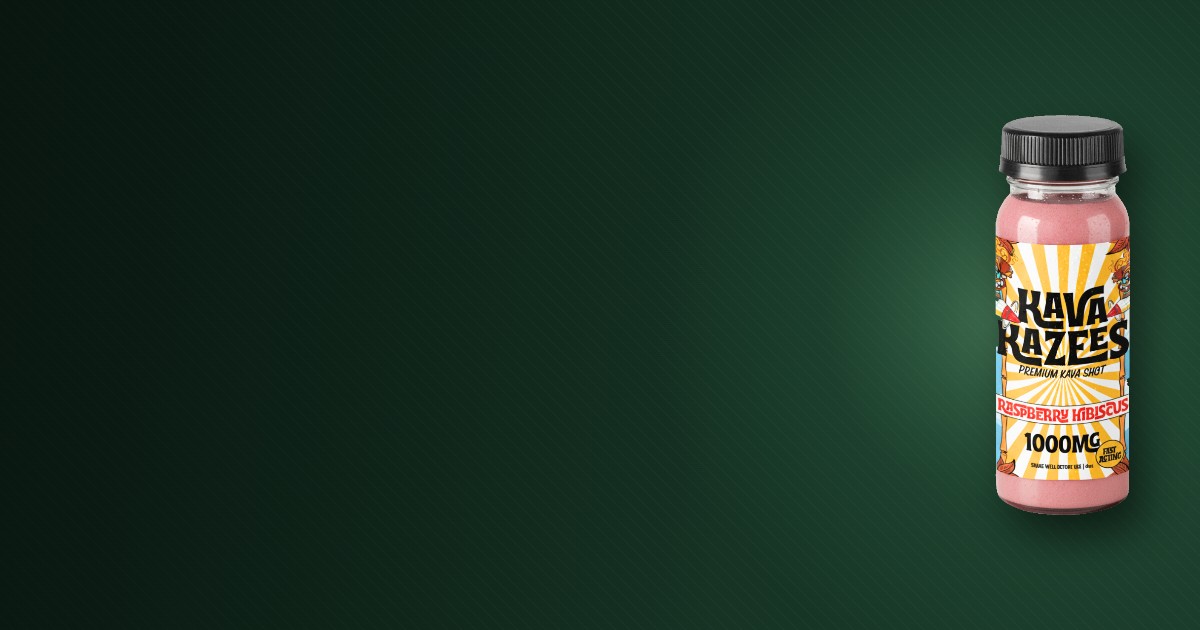
A kava shot is a small, ready-to-drink bottle (usually 2 to 4 oz) made with extract from the root of the kava plant, Piper methysticum. Instead of preparing kava powder yourself, you get a fixed, labeled amount of kava extract or kavalactones in one bottle. This guide explains how kava shots are made and labeled, how to compare them, and how they differ from powder and seltzers. Our own Kava Kazees 1000mg kava shot is used as the example throughout.
What is in a kava shot?
Kava shots are made from kava root extract mixed with water and flavoring. The root contains kavalactones, the compound class labs measure in kava; researchers have identified 18 kavalactones, six of which make up most of the total (source: Kava, botanical summary). For background on the plant itself, read What Is Kava? For the kratom equivalent, see what are kratom seltzers.
How are kava shots labeled?
Labels use one of two numbers, and they are not the same thing:
- Kava extract (mg): the total weight of extract in the bottle. Kava Kazees lists 1,000 mg of kava extract in a 4 oz bottle.
- Kavalactones (mg): the measured compounds within that extract. Tru Moods Green Kava Shot lists 800 mg of kava extract and 250 mg of kavalactones in 2 oz.
When comparing brands, kavalactone milligrams are the more direct comparison, because extract strength varies. If a label lists only extract, look for a batch number and certificate of analysis (COA).
| Shot | Size | Label figure | Price |
|---|---|---|---|
| Kava Kazees Kava Shot (Bedrock brand) | 4 oz | 1,000 mg kava extract | $12.99 |
| Tru Moods Green Kava Shot | 2 oz | 800 mg extract / 250 mg kavalactones | $6.99 |
| Third Eye Kava + Kratom (Pineapple) (Bedrock brand) | shot | Kava and kratom blend | $7.99 |
Kava Kazees kava shots: 4 oz, 1,000 mg kava extract, 21+.
How do kava shots compare with kava powder and seltzers?
| Format | What it is | Prep | Best for |
|---|---|---|---|
| Kava shot | Pre-mixed liquid extract, 2–4 oz | None | Fixed, labeled amount on the go |
| Kava seltzer | Canned sparkling drink with kava, 12 oz | None | A drink-sized format |
| Kava root powder | Ground dried root | Kneaded in water and strained | Traditional preparation, lowest cost per serving |
For the seltzer format, see the kava seltzer collection, including Ava Kava flavors.
Who makes kava shots?
The kava shot category has grown quickly. Leilo is one of the best-known national kava shot brands. Bedrock Botanicals makes Kava Kazees and carries Tru Moods, so you can compare a 4 oz extract shot and a 2 oz kavalactone-labeled shot side by side in our kava shots collection.
What should you check before buying a kava shot?
- Kava type: noble kava root, stated on the label or product page.
- The label number: extract mg vs kavalactone mg, and the bottle size.
- Batch number: so you can match the product to its lab results.
- Combo shots: shots that blend kava with kratom follow kratom law. Check our kratom legality by state page and verify your current local law before ordering.
Frequently asked questions
What is a kava shot?
A kava shot is a small ready-to-drink bottle, usually 2 to 4 oz, made with kava root extract and labeled with milligrams of kava extract or kavalactones.
What do the milligrams on a kava shot mean?
Labels list either total kava extract or kavalactones, the measured compounds in kava root. Kavalactone mg is the more direct number to compare between brands.
Are kava shots the same as kava powder?
No. Powder is ground root you prepare yourself; a shot is a pre-mixed liquid extract with a fixed amount per bottle.
Are kava and kratom combo shots legal everywhere?
No. Any shot with kratom follows kratom law, which bans it in some states. Check your state before ordering.
Shop kava shots and kava seltzers. Lab-tested, 21+ only.
Must be 21 or older to purchase. These statements have not been evaluated by the FDA. These products are not intended to diagnose, treat, cure, or prevent any disease. Verify your current local law before ordering.
Published by Bedrock Botanicals.