

Blog

Shipping Kratom To Your State: What Retailers Need To Know

Over the past ten years, one of the botanical items with the greatest rate of growth in the U.S. supplement industry has been Kratom. Retailers nationwide sell Kratom, a natural substance made from the leaves of Mitragyna speciosa, both online and in physical places. However, delivering the best Kratom is more complicated than just packing an item and giving it to a carrier. For sellers that transport products over state borders, compliance is crucial because Kratom’s legality and regulatory requirements differ significantly by state, as well as by city and county.
This blog post explains what sellers should know before shipping Kratom to customers, as well as how to do so responsibly and legally.
Kratom vs. Yerba Mate: Best Natural Energy Boosters- Bedrock Botanicals
1. First, Comprehend The Federal Landscape
Kratom holds a special and rather confusing standing at the federal level. The U.S. Food and Drug Administration (FDA) does not authorize Kratom for medical use and has issued warnings regarding its safety, although it is not listed as a restricted substance under the U.S. restricted Substances Act. A proposal to schedule Kratom was originally made by the Drug Enforcement Administration (DEA), but it was shelved due to public opposition.
Crucially, This Implies:
- The transportation of healthy Kratom across state boundaries is not specifically forbidden by federal law.
- However, carriers may decline to ship products they believe to be herbal medications or supplements without making the necessary disclosures, and Kratom products may be the subject of FDA inspection or import warnings.
The majority of Kratom regulations are pushed to the state and municipal levels, where the true complexity is found, due to federal uncertainty.
2. Find Out Which States Outright Prohibit Kratom
Several states in the United States have taken the harshest possible approach by outright banning Kratom. Kratom possession, sale, distribution, and transportation are prohibited in these states. Kratom cannot be sent by retailers to the following states:
- Alabama
- Arkansas
- Indiana
- Rhode Island
- Vermont
- Wisconsin (as of the legal status as of 2025)
Retailers and even customers may face criminal charges if they ship Kratom to clients in certain states. Because of this, sellers must have a current list of prohibited areas and enforce stringent address screening at the point of sale.
3. Keep An Eye Out For County-Level And Local Bans
Cities and counties may have their own prohibitions or limitations that make shipment to specific addresses illegal, even in jurisdictions where Kratom is allowed. Examples consist of:
- Despite being lawful throughout the state, Kratom is prohibited within the municipal boundaries of San Diego, California.
- Denver, Colorado: Some jurisdictions ban the sale of Kratom, and stringent labels and regulations are in place.
- Local prohibition exists in Sarasota County, Florida, even though the state allows legal.
- Kratom has been outlawed in many Illinois and Mississippi small towns.
Retailers should check shipping addresses at checkout against the most recent local and municipal rules to prevent legal issues and unhappy customers.
Kratom Dosage Guide: From 1g to 7g And Beyond Safely – Bedrock Botanicals
4. Comply With State-Specific Regulations
Numerous states have passed Kratom Consumer Protection Acts (KCPA) or other legislation, including those that regulate rather than outlaw Kratom. These regulations mandate certain safety, labeling, and administrative controls, but do not forbid selling or shipment.
Typical components of these rules consist of:
- Minimum buying age (usually 18 or 21).
- Potency reports and independent laboratory testing.
- Warnings such as “not for human consumption,” “age restrictions,” and “keep out of reach of children” should be clearly labeled.
- Labels include information about the manufacturer or distributor.
As of 2025, Arizona, Georgia, Nevada, Utah, Oklahoma, and Oregon were among the states having current KCPA legislation; other states have expanded or updated their requirements.
For merchants, compliance is making sure your products and packaging meet the specifications of each state before sending them there. It is frequently beneficial to hire legal counsel or compliance experts who are knowledgeable about KCPA regulations.
5. Put Intelligent Checkout Controls In Place
A smart checkout system is the easiest way to stop illicit shipments since it:
- Prevents delivery to prohibited states and local areas.
- Confirms age using the delivery address and billing details in states that have age restrictions.
- Displays legal notices before the completion of the transaction, depending on the location of the consumer.
You run the risk of errors and responsibility when you rely on manual checks. Geolocation and address-validation solutions that automatically restrict forbidden destinations can be integrated into modern e-commerce systems.
6. Carefully Prepare The Shipping Paperwork
When USPS ships Kratom, carriers including USPS, FedEx, and UPS may need extra paperwork or disclaimers:
- Certain shipping declarations must be included on the bill of lading in some states. For instance, according to Florida law, shipping documentation must clearly indicate that Kratom can only be transported to those who are 21 years of age or older, and delivery firms must check identification at the time of delivery.
- Others insist on labels and warnings indicating that the product is not FDA-approved.
Retailers should inquire about carriers’ shipping rules for herbal supplements and be prepared to provide any supporting documents.
Jong Kong Kratom: Complete Guide & Key Insights
7. Stay Current On Quickly Changing Laws
Laws governing Kratom are constantly changing. For example, in order to increase consumer safety, New York recently passed new age limitations and labeling regulations.
Furthermore, other states that are now debating bans—like Ohio—may soon see a significant change in legislation.
Retailers ought to:
- Get legal updates from organizations that support Kratom.
- Consult state legislative tracking services on a regular basis.
- Assign legal counsel or a compliance officer to keep an eye on any developments.
If you don’t keep up with the latest developments, you can ship to a recently prohibited jurisdiction without recognizing it, which might be expensive from a legal standpoint.
8. Educate Your Staff And Clients
Responsible free Kratom shipping involves more than simply avoiding illicit shipments; it also involves safeguarding your company’s reputation and clientele.
Crucial Information To Share Internally
- A thorough comprehension of the Kratom shipping policies of the firm.
- State-by-state variations in legislation.
- Instructions on how to utilize the address-validation and compliance tools at your checkout.
What To Tell Clients When They Check Out
- The precise language of any statutory prohibitions or limitations that are relevant to their address.
- Criteria for identification and age.
- Why are some things not able to be transported to their destination?
In addition to lowering chargebacks and consumer complaints, clear communication fosters trust.
9. Recognize The Dangers Of Failure To Comply
A business may face severe repercussions if it ships Kratom to a state that prohibits:
- Order cancellations and refunds
- Refusal or confiscation by the carrier
- Civil penalties or fines from state regulators
- Criminal prosecution in states with stringent prohibitions
Since enforcement differs from state to state, you can’t rely on ignorance of the law as a defense. Risk can be reduced by taking proactive compliance measures.
10. The Best Strategies For Extended Success
For merchants that wish to ship Kratom while expanding sustainably:
- Keep a thorough compliance matrix with the legislation for each state and significant city.
- Every quarter or at the conclusion of significant legislative sessions, update that matrix.
- Invest in compliance technology that can instantly identify address limits.
- For license and label assessments, collaborate with knowledgeable lawyers from the Kratom sector.
- Join trade groups that keep an eye on legislative developments.
These recommended practices give you legal protection and establish your company’s credibility with both consumers and authorities.
Kratom Seltzers: The Ultimate Alcohol-Free Chill Drink | Drink noms
Conclusion
Transporting Kratom involves more than just logistics; it involves navigating several legal and regulatory frameworks. Not all Kratom is accepted everywhere, and even when it is, several standards regarding age, labeling, and delivery must be fulfilled. Retailers who make investments in smart technologies, compliance infrastructure, and continuous legal monitoring will be in the best position to prosper as rules continue to change in 2026 and beyond.
Compliance boosts consumer trust, safeguards your company, and increases the validity of the larger Kratom industry. You’re doing the right thing for both your consumers and your business when you put legal Kratom shipping procedures first.
How To Buy Kratom Online Safely: 8 Checks Before You Click
The usage of Kratom as a Bedrock botanical supplement by those looking for natural treatment for energy, focus, relaxation, and comfort has skyrocketed. However, demand carries danger, particularly when purchasing Kratom online. In contrast to regulated supplements or prescription drugs, Kratom is found in a legal gray area in many jurisdictions, which means that quality control differs greatly across suppliers. Because of this, making purchases online might be dangerous if you don’t know what to look for.
We go over eight crucial things to complete in this tutorial before you click “Buy Now.” By taking these precautions, you may support moral, open suppliers while avoiding subpar products, dangerous sellers, and deceptive advertising.
Kratom vs. Yerba Mate: Best Natural Energy Boosters
1. Verify The Legitimacy And Online Reputation Of The Vendor
Verifying the legitimacy of the Kratom vendor should be your top priority. Online Kratom suppliers are often tiny, specialized businesses that must gain the confidence of one client at a time, in contrast to large supplement brands that are offered at hundreds of retail locations.
How To Verify Your Reputation
- Look for unbiased evaluations on Google, Reddit, Trustpilot, and communities dedicated to Kratom.
- Examine more than just the vendor’s own website reviews. It is possible to curate or show self-hosted reviews selectively.
- Verify the vendor’s duration of operation. Businesses that have been operating consistently for a number of years are usually more reliable than those that are just starting.
- Keep an eye on your social media presence. Transparency and active participation are positive indicators.
Warning Signs
- No independent evaluations
- Unfavorable remarks on the delivery or safety of the Kratom products
- Recent complaints about unfulfilled orders or unresponsive customer support
Why It Matters: Businesses with a proven track record are probably more accountable and consistent in their quality.
2. Confirm COAs Or Third-Party Laboratory Testing
Verifying that the product has undergone independent testing and has an accessible Certificate of Analysis (COA) is arguably the most crucial step when purchasing Kratom online.
Kratom Dosage Guide: From 1g to 7g And Beyond Safely
What You Can Learn From A COA
An independent lab’s COA reveals:
- Actual concentrations of the active substances 7-hydroxymitragynine and mitragynine
- Lack of dangerous pollutants such as pesticides, microorganisms, heavy metals, and adulterants
How To Confirm
- On product sites or a central testing page, the seller ought to provide links to COAs.
- Reputable labs, such as ISO-accredited or well-known independent phytochemical labs, are ideal.
- Verify that the COA and the product’s batch number match.
The Reasons COAs Can’t Be Negotiated
You can’t be sure what you’re eating without independent testing. Kratom that is contaminated or mislabeled can be extremely dangerous.
3. Assess The Transparency Of The Product
A reliable seller is open and honest about what you’re purchasing.
Checklist of Product Information
- Mitragyna speciosa is the scientific and popular name for Kratom.
- Vein color and strain: Red Bali Kratom, Green Maeng Da Kratom, etc.
- Harvest origin: Area and agricultural methods
- Details of the processing: How the leaves were crushed and dried
- Lot or batch number
The Significance Of Transparency
Being transparent shields you from:
- Mislabeling (such as mixed or counterfeit products marketed as high-end
- Unreported fillers or additions
- Misleading advertising language
Jong Kong Kratom: Complete Guide & Key Insights
4. Recognize Potency Claims & Kratom Strains
Strain names like “Super Green Malay” and “Ultra Red Borneo Kratom” are frequently used by internet sellers. Although strain names are a common marketing tactic in the Kratom world, there is no scientific standard for them. Potency can therefore differ significantly across providers and even between batches.
Advice For Assessing Strain Claims
- When available, cross-reference strain descriptions with COA alkaloid profiles.
- Steer clear of suppliers that promise “miracle results” or excessive effects.
- Recognize that individual responses, body chemistry, and tolerance vary greatly.
Typical False Claims
- “The world’s strongest Kratom”
- “Kratom of pharmaceutical quality”
- “Prevents, cures, or treats illness.”
These are either in violation of regulations or lack scientific backing.
5. Examine The Refund And Shipping Policies
Always read the fine print on shipping, returns, and refunds before making a purchase.
Considerations For Shipping
- Is it lawful for the merchant to ship to your location?
- Do they employ covert packaging?
- How fast do orders get processed?
Policies For Returns And Refunds
- Are unopened items returnable?
- Is a money-back guarantee offered?
- Who covers the cost of return shipping?
The Significance Of Policies
A trustworthy vendor would defend client happiness and stand by their products. A dangerous seller might be identified by unclear policies.
Kratom Drink Reviews | Best Kratom Beverages to Try This Year
6. Examine Prices, But Don’t Buy Just Based On Price
Price isn’t everything, but it may be a useful indicator.
What Extremely Low Prices Could Indicate
- Filler-diluted powder
- Poorer harvest or processing quality
- Absence of independent testing
What Extremely High Prices Could Indicate
- Unjustified premium branding
- Cost inflation for a negligible quality difference
How To Consider Cost
A reasonable price takes into account:
- Sourcing of true quality
- Costs of independent testing
- Ethical business conduct
Consider pricing as a single component rather than the complete picture.
7. Assess Customer Service And Reaction
It should be simple to ask questions of a reputable dealer.
Channels of Support to Verify
- Telephone assistance
- Email assistance with timely replies
- Real-time conversation
- FAQ and resource sections
Things To Consider Before Purchasing
- Where does your Kratom come from?
- Do you offer lab test results from other parties?
- How do you handle returns?
You may learn a lot about their openness and dedication to clients by the way they respond.
8. Verify Packaging Disclosure And Legal Compliance
States, provinces, and nations have different laws regarding the use of Kratom. Before purchasing, confirm that the vendor:
Checklist For Legal Compliance
- It makes it clear where they ship and where sales are prohibited.
- Complies with local age verification regulations (often 18+ or 21+)
- Label products in compliance with regional supplement regulations.
Disclosure Of Packaging
Although the best Kratom is occasionally the subject of legal scrutiny:
- Illegal health claims shouldn’t be included on packaging.
- Clearly state the contents, weight, and supplier details.
- Must abide by all shipping carrier regulations.
Why This Matters: Purchasing from suppliers that disregard the law may lead to orders being confiscated or legal issues.
Buy NOMS Kratom Seltzer In Bulk – Wholesale Program
Conclusion
Online Kratom buying may be secure and fulfilling, but only if you put vendor responsibility, quality, and transparency ahead of convenience or cost. Your health, finances, and peace of mind are all protected by the eight checks mentioned above.
When you develop sound purchasing practices, you open the door to consistently positive Kratom outcomes—without the uncertainty that besets the novice buyer.
FAQ’s
Is purchasing Kratom Online Safe?
Yes—as long as you select suppliers that are reputable, open, and offer third-party testing. Quality controls are critical to safety.
Why Is Third-Party Testing Important?
They confirm that the product is free of dangerous impurities and contains what it promises.
Are Less Expensive Kratom Products Harmful?
Not usually, but very inexpensive best Kratom products frequently take shortcuts, increasing the possibility of contamination or poor quality.

How To Spot Adulterated Or Contaminated Kratom To Avoid Scams?
Kratom has gained popularity for its natural genesis and historical application, but as any botanical product the quality of the product is solely based on how the product is cultivated, processed and tested. The problem with buyers is that adulterated or contaminated kratom does not necessarily appear to be immediately wrong to the naked eye. The differences are not very dramatic, and sometimes the differences can be noticed only after a closer look.
Kratom vs. Yerba Mate: Best Natural Energy Boosters
What Does “Adulterated” Or “Contaminated” Kratom Mean?
The Adulterated kratom is intentionally mixed with other materials. It includes fillers, synthetic additives as well as color enhancers to increase volume. Sometimes it also modifies the overall effects.
Contaminated kratom refers to the kratom that has been accidentally subjected to dangerous agents in the course of cultivation, drying, or storage. These could include growth of microbes, or foreign particles or chemical residues.
Why Kratom Quality Can Vary So Widely?
Kratom is harvested from Mitragyna speciosa trees and goes through several steps before reaching buyers. Lack of care during these steps may cause quality issues or unwanted materials.
Problems usually arise from:
- Improper drying
- Poor storage
- Mixing kratom with fillers
- Lack of laboratory verification
- Exposure to moisture and pests
Understanding these risks makes it much easier to recognize warning signs.
How To Identify Sensory And Handling Signs Of Adulterated Kratom?
Simple sensory checks and handling details often reveal early signs of kratom quality.
Smell And Aroma
One of the best, but the least recognized quality tests is aroma. Fresh kratom has a mild, earthy aroma similar to dried leaves and green tea.
Be aware if you observe:
- Sharp, chemical-like odors
- Sour or musty smells that suggest microbial growth
- An unusually strong scent meant to mask poor quality
Texture And Feel
Good quality kratom feels dry and smooth between your fingers, without any sticky and oily residue.
Red flags include:
- Sticky or damp texture
- Gritty particles that don’t break down
- Excessively coarse powder inconsistent with proper milling
Texture issues often point to moisture exposure or poor grinding practices.
Taste As a Quality Signal
Karatom has a naturally bitter and earthy profile, but the taste should remain clean and natural, not sharp or artificial.
Watch for:
- Metallic or chemical undertones
- Sudden sweetness or flavor masking
- A lingering aftertaste that feels unnatural
Packaging And Label Transparency
Good vendors pay attention to how kratom is packed. When packaging is sloppy or unclear, it usually reflects careless sourcing and handling behind the scene.
Quality packaging usually includes:
- Clear batch or lot numbers
- Harvest or processing details
- Third-party lab testing (COA) references
- Appropriate sealing to avoid contact with moisture
Vague labels or missing information often indicate a lack of accountability.
Moisture Exposure
Moisture is one of the biggest threats to kratom quality, without being immediately noticeable. Properly processed kratom should remain dry from harvest to packaging.
Be careful if you observe:
- Powder forming small lumps when lightly pressed
- A slightly damp or heavy feel
- Uneven texture within the same batch
When kratom is exposed to moisture, its quality can decline and reduce kratom’s freshness.
Batch Consistency
Consistency across multiple purchases is a strong indicator of responsible Kratom sourcing and processing. High-quality kratom should look, smell, and feel similar every time you buy it from the same vendor.
Watch for:
- Sudden changes in color or aroma between batches
- Differences in grind size or texture
- Noticeable variation without explanation
Frequent inconsistencies may suggest mixed sourcing or limited quality controls.
Grinding Quality
The way kratom is ground can reveal a lot about how carefully it was processed. Proper milling results in a uniform, fine powder that blends evenly and behaves consistently.
Watch for:
- Uneven grind with both powder and rough fibers
- Powder that separates into layers after settling
- Extremely coarse material inconsistent with finished kratom
Poor grinding often indicates rushed processing or outdated equipment.
Lab Testing
Many vendors mention lab testing, but understanding what that actually means helps separate claims from credibility. Responsible sellers provide up-to-date reports from independent laboratories.
A lab report clearly outlines:
- Batch-specific testing results
- Screening for unwanted residues
- Clear testing dates and lab identifiers
Testing transparency strengthens trust and confirms that quality checks were actually performed.
Suspiciously Low Prices
Price alone does not define quality, but unusually low pricing can be a meaningful warning sign when evaluating kratom. Producing clean, well-handled kratom involves responsible harvesting, careful drying, proper storage, and third-party testing, all of which come with real costs.
Be aware if you observe:
- Prices that are dramatically lower than comparable products
- Large quantities offered at unrealistically cheap rates
- Discounts that seem permanent rather than occasional
How To Avoid Kratom Scams?
Avoiding low-quality or misleading kratom products starts with knowing where and how to buy. A few careful checks can help you steer clear of unreliable sellers and questionable offerings.
Buy From Reputable Vendors
Established vendors such as The Evergreen Tree & Bedrock Botanicals follow defined quality standards and are transparent about sourcing, processing, and testing. Reputable sellers focus on long-term trust rather than quick sales.
Verify Third-Party Lab Testing
Always request recent, batch-specific lab reports. These reports help confirm that the kratom has been screened for unwanted substances and that its alkaloid profile aligns with what is advertised.
Check For Authentic And Informative Packaging
Reliable vendors use sealed, high-quality packaging with clear labeling. Important details typically include strain information, batch numbers, and freshness or expiration guidance.
Kratom Dosage Guide: From 1g to 7g And Beyond Safely
Avoid Unregulated Marketplaces
Be cautious with random social media sellers, pop-up websites, or unverified online listings. A lack of contact information, testing data, or clear business details often signals poor oversight.
Read Independent Reviews And Community Feedback
Customer reviews on independent platforms, discussion forums, and community groups can reveal patterns about a vendor’s consistency, reliability, and transparency over time.
Final Words
No single sign determines whether kratom is adulterated or contaminated. Instead, quality is revealed through multiple small indicators working together, appearance, aroma, texture, taste, packaging, consistency, and transparency. When these elements align, kratom is more likely to be clean, well-handled, and reliable. Paying attention to these details empowers you to make informed choices and recognize quality with confidence.
Kratom Seltzers: The Ultimate Alcohol-Free Chill Drink | Drink noms
FAQs
Does Powdered Kratom Lose Quality Faster Than Crushed Leaf?
Powdered kratom is more exposed to air due to its fine surface area, which can affect freshness more quickly. Proper sealing and storage play a key role in preserving its condition.
Is It Normal For Kratom To Look Slightly Different After Shipping?
Minor changes can occur during transport due to temperature shifts or settling. However, major changes in aroma, texture, or consistency are not typical and should be reviewed carefully.
Can Kratom Quality Change Even If The Package Is Unopened?
Yes, kratom can gradually change over time due to temperature, light exposure, or packaging quality. Airtight, light-resistant packaging helps maintain stability for longer periods.
Can Seasonal Harvesting Affect Kratom Quality?
Yes, seasonal factors such as rainfall and harvest timing can influence leaf characteristics. Responsible processors adjust drying and handling methods to maintain consistent quality.
Does Blending Different Batches Affect Kratom Reliability?
Blending can be acceptable when done carefully, but poor blending practices may cause uneven quality. Transparency about batch handling helps reduce uncertainty.
How Long Does High-Quality Kratom Typically Remain Stable?
When stored properly in a cool, dry, and sealed environment, quality kratom can remain stable for extended periods. Stability depends more on handling than on age alone.
Should Kratom Dissolve Evenly When Mixed With Liquid?
While kratom does not fully dissolve, it should mix evenly without excessive clumping. Poor dispersion may indicate uneven grinding or moisture-related issues.
Kratom Drink Reviews | Best Kratom Beverages to Try This Year

Kratom Policy Tracker: Recent Law Changes And What They Mean For Buyers (Quarterly Updates)
One of the most debated botanicals in the international market is kratom. This is because of the popularity of its use and changes with the legal status. The regulatory regimes change among nations and regions, it is crucial to keep updated. No matter if you’re an individual level, retailer, or even those businesses that incorporate kratom into their products. This quarterly Kratom Policy Tracker explains what is in the recent changes in the law and how it affects the buyers in this.
Kratom vs. Yerba Mate: Best Natural Energy Boosters Read Here
What Is a Kratom Policy Tracker And Why Does It Matters?
A Kratom Policy Tracker is an updated guide. It helps to summarize the significant legal developments regarding kratom. It’s important to know that these regulations include production, sale, import/export as well as consumer protection. However, it is essential to be aware of all of them as soon as possible.
Monitoring of policy changes is beneficial to the buyers:
- Expect changes in supply and prices.
- Know before you buy or sell for legal compliance.
- Find more reputable and safer sources.
- Minimise risk with regulatory changes.
Key Themes In Recent Kratom Law Changes
The kratom-based legal trends in the world are broadly divided into four large categories. These combined themes demonstrate the way in which governments are moving away towards unclear or informal methods of governance to more formal systems. The knowledge of each category will enable the buyer to have a better idea of how legalization can affect availability, quality, and purchase terms.
Kratom vs. Matcha: Compare, Contrast & How To Mix
1. National-Level Regulatory Frameworks
Many countries are moving toward clearly defined, nationwide kratom regulations rather than leaving the plant in legal grey areas. These frameworks often focus on formal recognition, licensing systems, and regulated supply chains.
Governments introducing national-level rules typically aim to:
- Establish who can legally grow, process, sell, or export kratom
- Define acceptable product forms, such as raw leaves, Kratom Powders, or Kratom extracts
- Set baseline quality and documentation requirements for legal trade
For buyers, these frameworks bring greater clarity. When national laws are clearly outlined, it becomes easier to determine whether kratom products are legally sourced and compliant. However, these systems can also reduce short-term supply, especially during the transition period when producers and exporters are adjusting to new licensing and approval processes.
2. Local And Regional Restrictions
In countries with decentralized governance, kratom laws often vary by state, province, or municipality, creating a fragmented legal landscape. While kratom may be permitted at the national level, regional authorities sometimes impose additional controls or outright prohibitions.
These local-level changes may include:
- Sales restrictions within specific cities or regions
- Age-based purchase requirements
- Licensing rules for local retailers or distributors
3. International Trade And Export Controls
Kratom-producing countries are increasingly tightening controls on exports and international trade, particularly to protect natural resources and improve oversight of outbound shipments.
Common trade-related changes include:
- Export licensing and registration requirements
- Mandatory documentation verifying origin and quality
- Limits on export volume to prevent overharvesting
These export controls directly affect global buyers by influencing availability, lead times, and pricing. When exporting countries introduce stricter requirements, shipments may take longer to process, and supply may fluctuate as exporters adapt. While these measures can temporarily limit access, they often aim to create a more stable and traceable supply chain over time.
4. Consumer Safety and Quality Standards
A growing number of jurisdictions are prioritizing buyer protection by introducing safety-focused regulations. These laws are designed to ensure kratom products meet defined quality benchmarks before reaching the market.
Typical safety-related requirements include:
- Laboratory testing for purity and consistency
- Clear labeling of contents, origin, and usage guidance
- Certification or verification from approved authorities
For buyers, these changes improve transparency and reduce uncertainty around product quality. While compliance with testing and certification can raise production costs, it also increases confidence that products meet recognized safety standards. Over time, these measures help shift the market toward more accountable sourcing and clearer product information.
Kratom Seltzers: The Ultimate Alcohol-Free Chill Drink
Quarterly Policy Highlights: Recent Updates
Q4 2025: Export Controls And Production Oversight
Indonesia: Updated Export Requirements
Indonesia has implemented revised guidelines for kratom exports that include:
- Export licenses linked to documented quality benchmarks
- Environmental compliance checks for cultivation practices
- Mandatory testing and certification before shipment
What This Means For Buyers
Shipments may take longer to process, and prices may rise slightly due to compliance costs. In return, buyers gain improved consistency and clearer quality documentation.
Q4 2025: Local Regulatory Clarifications
United States: State-Level Policy Changes
Several states have clarified their stance on kratom:
- Some jurisdictions have introduced explicit prohibitions on sale or possession.
- Others adopted consumer protection frameworks, including age verification and labeling standards.
What This Means For Buyers
Buyers must verify legality at the state or local level before purchasing. In regulated markets, product labels and purchasing requirements may be more detailed.
Q4 2025: Progress Toward Standardized Quality Controls
European Union: Early Steps Toward Alignment
Although a single EU-wide rule is not yet finalized, regulatory bodies are working toward:
- Common quality benchmarks for key alkaloid content
- Import certification requirements
- Standard safety reporting procedures
What This Means For Buyers
Once implemented, these measures are expected to improve labeling clarity and consistency across European markets.
Q4 2025: Developments in the Asia-Pacific Region
Thailand And Malaysia: Regulatory Adjustments
Countries that previously relaxed restrictions are now refining commercialization rules:
- Thailand continues to regulate cultivation through licensed growers.
- Malaysia is evaluating controlled pilot programs for legal sale.
What This Means For Buyers
These changes may gradually expand access to regulated, locally sourced kratom products within Southeast Asia.
What Is MIT In Seltzers? A Guide To Kratom’s Microdose Innovation
Product Quality and Market Transparency
Stricter testing, certification, and documentation standards are designed to improve overall product consistency. These measures reduce the chances of contaminated, poorly processed, or inaccurately labeled products entering the market.
For buyers, this means:
- Greater confidence in product purity and sourcing
- More consistent batches across repeat purchases
- Clearer labeling that supports informed decision-making
Although these standards can increase costs, they also raise the baseline quality of products available to buyers.
Legal Awareness and Buyer Responsibility
As kratom laws evolve, compliance is no longer limited to national-level regulations. In many regions, local or regional authorities enforce additional rules that may differ significantly from broader national policies.
Buyers should be aware that:
- Kratom legality may vary by state, province, or city
- Online purchases may still be subject to local restrictions
- Ignorance of local rules can result in shipment delays or cancellations
Staying informed about applicable laws helps buyers avoid unnecessary complications and ensures lawful purchasing.
Cross-Border Purchasing And Shipping Timelines
International buyers are increasingly affected by enhanced customs and import controls. Governments now require more detailed documentation to verify product origin, quality, and compliance with local standards.
This can lead to:
- Longer processing times at customs checkpoints
- Additional paperwork for import clearance
- Occasional shipment holds during verification
While these checks may extend delivery timelines, they also contribute to safer and more transparent international trade practices.
Buy NOMS Kratom Seltzer In Bulk – Wholesale Program
How Buyers Can Stay Informed?
To navigate ongoing regulatory changes effectively, buyers should:
- Monitor official announcements from health, customs, and regulatory authorities
- Review local and regional laws before placing orders
- Purchase from sellers who provide lab reports, sourcing details, and compliance disclosures
- Follow industry updates or regulatory intelligence services focused on botanical products
Final Takeaways For Buyers
- Kratom regulations continue to change, often at different speeds across regions.
- Higher compliance standards may affect pricing and availability but can improve product reliability.
- Verifying local legality before purchasing remains essential.
- Working with transparent, compliant sellers helps reduce uncertainty.
Staying informed through regular policy tracking allows buyers to make more confident, well-informed decisions in an evolving regulatory environment.

How Indonesia’s New Kratom Export Rules Affect Quality & Supply
Indonesia has a long history of leading in the kratom market, its fertile land and favorable climatic conditions have enabled it to be the best producer of kratom leaves. There has been a ripple effect on the regulation in the exportation of kratom in Indonesia which has affected both the quality and supply of the natural product that’s the reason it’s gaining popularity rapidly.
The Background: Indonesia’s Kratom Industry
Boasting of the stimulant and analgesic effects, kratom has developed a considerable fan base across the globe, especially in the United States, where people consume it due to its perceived therapeutic effects.
The kratom business in Indonesia has been booming over the years because of the regulatory environment. The farmers, suppliers and manufacturers have been in a position to export kratom leaves and kratom powder without difficulty. Now, the recent developments in the country have resulted in fears regarding the impact of the changes on the future of the industry.
Jong Kong Kratom: Complete Guide & Key Insights
The New Export Rules: Key Changes And Their Impact
The government of Indonesia has come up with new regulations governing the exportation of kratom that consider both the environmental and health aspects. Such regulations are meant to regulate the cultivation, harvesting, and exportation of kratom in a more organized way.
Some of the most notable changes include:
Licensing Requirements For Exporters
One of the most significant changes is the introduction of a strict licensing system for kratom exporters. This system requires businesses to obtain government approval to ship kratom internationally, which adds another layer of oversight. While this may lead to more organized exports, it also introduces bureaucratic delays and additional costs for businesses to navigate.
Kratom vs. Yerba Mate: Best Natural Energy Boosters
Export Quotas
Indonesia’s new export rules also impose export quotas, limiting the amount of kratom that can be exported each year. This measure is aimed at reducing overharvesting and protecting local ecosystems, but it has the potential to strain supply chains globally. As demand continues to rise, the limited quantity of kratom available for export may lead to supply shortages and higher prices for end consumers.
Environmental Regulations
To protect the country’s natural resources, the Indonesian government has mandated more sustainable farming practices for kratom cultivation. Farmers are now required to adhere to stricter guidelines that promote environmental sustainability. While this move is beneficial for preserving the environment, it may require additional investment in farming infrastructure, potentially impacting the price and availability of kratom.
Quality Control And Certification
The government has emphasized the importance of quality control, which is essential for ensuring that exported kratom meets international safety standards. Exporters must now comply with more stringent testing and certification requirements to prove the quality of their kratom products. While this may improve the overall quality of kratom, it could also slow down the export process as testing protocols become more rigorous.
The Impact On Kratom Quality
The regulatory changes are expected to have a mixed impact on the quality of kratombeing exported from Indonesia. On the positive side, the new quality control measures, including mandatory testing and certification, will likely result in safer, higher-quality products. These stricter standards ensure that the kratom being shipped internationally is free from contaminants and meets the requirements of importing countries.
For consumers and businesses alike, this could mean a reduction in the risk of low-quality kratom products entering the market, which may alleviate concerns about potential impurities or adulteration. The introduction of certification systems may also give consumers more confidence in the products they purchase, especially when it comes to the therapeutic benefits of kratom.
However, the heightened focus on quality control could also slow down the supply chain. With testing and certification adding additional steps to the export process, there may be longer wait times for shipments to reach international markets. As a result, customers might experience delays or even a temporary lack of supply while the industry adjusts to these new requirements.
Kratom Drink Reviews | Best Kratom Beverages to Try This Year
What Is The Impact on Kratom Supply?
The imposition of export quotas, along with stricter environmental regulations, will likely have the most significant impact on the supply of kratom. Indonesia has long been the dominant supplier of kratom, with its favorable climate and vast cultivation areas allowing farmers to produce large quantities. However, with export quotas limiting the amount of kratom that can be exported each year, it’s expected that fewer products will be available for international markets.
For countries that rely heavily on Indonesian kratom, such as the United States, this could create a supply shortage. While domestic production in other regions may help offset the demand, Indonesia’s kratom is known for its unique properties, which may not be easily replicated elsewhere.
Additionally, with the new environmental regulations encouraging sustainable farming practices, farmers may need to invest in more efficient growing methods or transition to eco-friendly practices. While this is an overall positive move for the environment, the transition may temporarily disrupt the supply chain, leading to a period of scarcity as farmers adapt to the new rules.
Supply Chain and Price Volatility
As supply becomes more constrained due to the export quotas and environmental changes, kratom prices may rise. Higher production costs associated with more sustainable farming practices could further exacerbate the price increase, making kratom more expensive for both consumers and businesses. As a result, businesses that rely on kratom as an ingredient in their products may face higher costs, which could ultimately be passed on to the consumer.
The uncertainty around future kratom exports could also contribute to price volatility. If the Indonesian government makes further adjustments to its export rules or if there are fluctuations in international demand, businesses may struggle to maintain consistent pricing, leading to potential disruptions in the global kratom market.
The Future of Indonesia’s Kratom Industry
Indonesia’s new kratom export regulations aim to balance the need for sustainable growth with the global demand for kratom. While the changes could improve the quality of kratom products and reduce environmental damage, they also introduce challenges related to supply limitations and price increases. The industry is likely to undergo a period of adjustment as stakeholders, including farmers, exporters, and consumers, navigate the new regulatory landscape.
For businesses that rely on Indonesian kratom, staying informed about the regulatory changes and adapting to new export quotas, quality standards, and environmental practices will be essential for maintaining a stable supply chain. By anticipating potential disruptions and taking steps to diversify sourcing strategies, businesses can better weather the changes and continue to provide high-quality kratom to consumers worldwide.
Buy NOMS Kratom Seltzer In Bulk – Wholesale Program
Conclusion
Indonesia’s new kratom export regulations are expected to have both positive and negative consequences for the global kratom market. On the one hand, the emphasis on quality control and sustainability could lead to safer, more environmentally friendly kratom products. On the other hand, the export quotas and stricter farming practices could result in reduced supply and higher prices. As the industry adapts to these changes, businesses and consumers alike must remain vigilant about potential disruptions in both the quality and availability of kratom products.
As the global kratom market continues to grow, understanding the impact of these regulatory changes will be crucial for anyone involved in the industry. By staying ahead of the curve, businesses can position themselves to thrive in this evolving landscape.
How To Dose Kratom For Beginners: A Simple 7-Day Starter Plan
As more individuals look into plant-based health options for balance, focus, and relaxation, Kratom has drawn a lot of attention lately. However, one of the hardest things for novices to grasp is how Kratom dosage works and why a methodical, steady approach is crucial.
This blog post serves as an instructional foundation for a seven-day beginning plan that is suitable for beginners. It describes the fundamentals of healthy Kratom usage, how tolerance and individual reaction differ, and why cautious introduction is important.
Kratom: What Is It?
The tropical tree known as Kratom (Mitragyna speciosa) is indigenous to Southeast Asia. Local populations have been using its leaves for ages.Kratom is frequently sold in Kratom powder, Kratom capsules, Kratom tea, or Kratom beverage form in contemporary settings.
Individuals select Kratom for several reasons, such as:
- Promoting concentration or efficiency
- Encouraging rest after exhausting days
- Improving motivation or mood
- Looking for plant-based substitutes for caffeine or alcohol
Before thinking about using Kratom, it’s important to educate beginners because each person reacts to it differently.
Why Appropriate Dosing Is Important For Novices
The idea that more is not better is among the most crucial lessons for beginning users. The effects of Kratom are dose-dependent and impacted by several variables, including:
- Metabolism and body weight
- Botanical sensitivity
- Kratom strain type
- Freshness and quality of the product
- Full versus empty stomach
- Regularity of usage
Beginners may encounter uneven outcomes or undesirable impacts if they don’t take a methodical and cautious approach. For this reason, rather than plunging right in, many seasoned users advise a gradual, step-by-step introduction.
Comprehending Kratom Strain Types
It is helpful to comprehend the three typical Kratom vein kinds before delineating a seven-day framework:
White Vein Kratom
White Vein Kratomfrequently linked to vigor and alertness. frequently selected for usage during the day.
Green Vein Kratom
Often described as sitting between red vein Kratom and white kinds, it is well-known for its balance.
Kratom Red Vein
Usually connected to leisure and use in the evening.
Kratom vs. Yerba Mate: Best Natural Energy Boosters
The 7-Day Starter Plan’s Philosophy
“Maximizing effects” is not the goal of a seven-day strategy. Rather, it concentrates on:
- Seeing how your body reacts
- Preventing excessive usage
- Determining the best time
- Increasing consciousness and self-control
- Preventing tolerance right away
This method puts accountability, security, and awareness ahead of speedy outcomes.
A Basic 7-Day Starter Plan
(Dosage Placeholders: Adult Editor to Review)
Day 1: Baseline And Observation
- Use only one strain.
- Take [DOSAGE PLACEHOLDER].
- Keep track of your emotional and physical reactions throughout several hours.
- Steer clear of mixing with other relaxants or stimulants.
Objective: Discover how your body reacts with the fewest possible variables.
Day 2: Verification Of Consistency
- The same strain as the first day
- The same [DOSAGE PLACEHOLDER]
- Eat at the same time of day.
Objective: Verify if the effects are situational or consistent.
Day 3: Evaluation Of Adjustments
- Continue to stretch
- Modify to [DOSAGE PLACEHOLDER, if relevant]
- Maintain journaling impacts
Objective: Ascertain if a little modification increases or decreases effectiveness.
Day 4: Reset Or Rest Day
- Taking a rest is optional.
- Repeat the previous successful [PLACEHOLDER FOR DOSAGE]
- The objective is to assess the baseline without Kratom and avoid early tolerance.
Day 5: Timing Test
- The same strain
- The same [DOSAGE PLACEHOLDER]
- Try a different time of day.
Objective: Recognize how timing affects outcomes.
Day 6: Contemplation & Consistency
- Follow the most comfortable method you’ve found so far.
- Do not continue experimenting.
Objective: Prevent stacking variables and stabilize experience.
Day 7: Comprehensive Analysis
- Use at [DOSAGE PLACEHOLDER] is optional.
- Go over the week’s notes.
Objective: Determine whether Kratom is appropriate for your way of life.
The Significance Of Journaling For Novices
Simple notes may significantly enhance the learning process for beginners. Track:
- Use time
- Type of product
- A full or empty stomach
- Energy and mood both before and after
- Length of effects
This promotes long-term accountability and helps avoid misuse.
Safety Things Novices Should Understand
Even plant-based products need to be respected. Novices ought to:
- Steer clear of prolonged, everyday usage without pauses.
- Never combine with sedatives or alcohol.
- Don’t use it while you’re dehydrated.
- Select reliable, lab-tested suppliers
- If restlessness arises, stop using the product.
Typical Beginner Errors To Avoid
- Raising the amount too soon
- Changing strains daily
- Disregarding hydration
- Missing days off
- Assuming that everyone would experience the same impacts
The secret to a good experience is patience.
Jong Kong Kratom: Complete Guide & Key Insights
Conclusion
Finding balance is the goal of Kratom, not pursuing bigger effects. Beginners may make well-informed judgments without needless risk by using a methodical, deliberate approach.
The purpose of this seven-day beginning framework is to inform and direct, not to take the place of expert guidance. Before being published, any dosage information should always be added carefully and examined by trained adults.
Kratom Drink Reviews | Best Kratom Beverages to Try This Year
FAQ’s
Is It Safe For Novices To Use Kratom?
Everybody reacts to Kratom differently. Beginners should be careful, put education first, and seek medical advice if they use medication or have any health issues.
How Long Does It Take To Experience The Benefits Of Kratom?
Depending on a person’s metabolism, the kind of product, and whether it is taken on an empty or full stomach, the effects may differ. While some people see results more quickly, others take longer.
Can Novices Take Kratom Daily?
To prevent tolerance and preserve a healthy connection with Kratom, many seasoned users advise against everyday usage, particularly for novices.
Which Strain Of Kratom Is Ideal For Novices?
Before experimenting with other alternatives, novices frequently begin with one strain at a time to better understand how their body reacts.
Should Novices Combine Several Strains Of Kratom?
Beginners are often advised not to combine Kratom strains because doing so makes it more difficult to comprehend individual effects and reactions.

Kratom Coupons Round-Up: Save In The New Year Plus Free Shipping Thresholds
For many buyers of botanical products, the New Year is more than just a time to make goals; it’s also an opportunity to plan, shop more wisely, and take advantage of seasonal sales that may help you stretch your budget. Kratom products are one area where a savvy purchase may have a significant impact. Understanding where and how to save might eventually add up to significant value because prices, shipping costs, and promotions change throughout the year.
The greatest methods to save money on Kratom coupons, how free shipping thresholds operate, and the best ways to purchase in the New Year and beyond are all covered in this guide, which emphasizes trustworthy businesses and open shopping procedures.
Buy NOMS Kratom Seltzer In Bulk – Wholesale Program
Why It’s Important To Shop Wisely
Before we get into particular discounts and shipping advice, it’s important to comprehend why it makes sense to purchase Kratom Bedrock Botanicals products in a planned manner:
Price Variation: Prices can range greatly, and various suppliers provide discounts at different periods.
Delivery Costs: The cost per purchase may rise significantly in the absence of free delivery, particularly for heavy items like Kratom powder.
Bulk Savings: Purchasing larger quantities or bundles can lower prices per unit, but only if the base price justifies it.
Seasonal Offers: Deeper discounts and special coupon codes are frequently offered during holidays and yearly events.
Customers may get the most out of every purchase by knowing how discounts and shipping incentives interact.
Kratom Coupons: What Are They?
“Pure leaf Kratom coupons“ are special discounts or codes that lower a product’s cost at the register. They might take many different shapes, such as:
- Discounts as a percentage (e.g., 10–30%)
- Discounts with a fixed rate (such as $10 off orders exceeding a specific amount)
- Product-specific discounts (such as discounts on particular strains or forms)
- Bundle pricing is the practice of grouping many items at a lower overall cost.
Vendor newsletters, social media posts, affiliate partners, seasonal promotions, and loyalty programs are some of the ways that major Kratom coupons might be distributed. To maximize savings, it is important to know where and when these codes are issued.
What Is MIT In Seltzers? A Guide To Kratom’s Microdose Innovation
How To Locate Current Coupons For Kratom
The following are the primary locations to find working coupons:
1. Newsletters From Vendors
Joining a vendor’s email list frequently provides users with:
- Early code access
- Special coupons for the new year
- Notifications regarding seasonal discounts
- Discounts exclusive to loyalty
Many companies provide first-look deals or subscriber-only discounts to their email subscribers.
2. Channels On Social Media
Use social media sites like Facebook, Instagram, and Twitter to follow brands to:
- Coupon codes that flash
- Promotions with a time constraint
- Free shipping event announcement
Compared to newsletters, social media platforms frequently provide more impromptu bargains.
3. Websites That Round Up Coupons
Current codes from various sellers are compiled by third-party coupon aggregator websites. Based on product category and price limits, these websites enable consumers to swiftly evaluate savings and identify the best fit.
4. Influencers And Affiliate Partners
Exclusive coupons, often with larger savings than what is publicly advertised, are frequently shared with followers by bloggers and content producers in the herbal products sector.
5. Programs For Loyalty And Rewards
Discounts can be obtained by redeeming points or tiered incentives offered by some brands. This may eventually result in substantial price reductions or free merchandise.
Jong Kong Kratom: Complete Guide & Key Insights
Opportunities For New Year’s Coupons To Keep An Eye On
In many sectors, the start of the year is a great time for discounts, and authentic Kratom coupon merchants are no exception. The following are some of the most popular New Year’s coupon opportunities:
Kickoff Sales For The New Year
Many vendors use unique codes to start January deals, which are frequently connected to:
- New Year, New Savings
- January Rollout
- New Beginning
These can be anything from 10% to 30% off the entire website or on specific packages.
Bundle-Only Discounts
Some sellers provide coupon codes that only unlock discounts when products are purchased as a package or in greater quantities, as opposed to discounting individual items.
Discounts For First Order Customers
Some websites offer new users welcome discounts of up to 15%–20% off their first purchase just by registering or providing a code during the checkout process.
Coupons For Special Events
Vendors may coordinate promotions with more general occasions, even if they are related to the date of the New Year, like:
- Days for national wellness awareness
- Inventory clearing for the new year
- Seasonal replenishment occasions
When paired with free delivery, they can result in stacking savings.
Comprehending Free Shipping Limits
When purchasing best Kratom products online, shipping charges may be one of the largest hidden expenditures. Free shipping criteria are relevant in this situation.
A Free Shipping Threshold: What Is It?
The merchant waives shipping costs after a certain minimum order amount, such as $75, $99, or $125. Reaching this criterion can result in significant savings for many consumers, particularly on larger products.
The Significance Of Free Shipping
Decreased Total Cost: Smaller orders can save 10–20% on their total cost by doing away with delivery.
Better Per-Unit Price: Free delivery adds value when paired with bundle savings or bulk Kratom coupons.
Peace of Mind: There are fewer unforeseen costs, and you are aware of the entire cost up front.
Many companies use banner advertisements or their site to advertise their free shipping criteria. In order to promote bigger carts, some even temporarily raise the barrier during special times.
How To Use Coupons And Free Shipping To Get The Most Savings
Here are several tried-and-true methods for combining free delivery with discounts:
1. Arrange Your Order To Fit The Threshold
If you’re getting near the free shipping requirement, you may still save money with a coupon by adding a minor item that you’ll need later.
2. Free Shipping Stack Coupons
If you satisfy the minimum cart total, many sellers let you add a promo code to receive free delivery.
3. Reach The Threshold With Bundle Deals
Savings are frequently included in bundle offers. The total savings can be substantial if a package additionally exceeds the free delivery cap.
4. Schedule Your Purchase To Take Advantage Of Bigger Offers
January is a particularly wise month to purchase because of a New Year’s sale with a discount code and decreased free shipping barrier.
5. Check The Terms Before Purchasing
Always make sure:
- Is the coupon valid for every product?
- If, after the threshold, delivery is indeed free
- Whether particular categories are subject to limitations
This avoids unpleasant surprises while checking out.
Advice Before Using Coupons
Here are some wise things to think about while you shop:
Verify The Dates Of Expiration
There is virtually always a window of validity for coupon codes. Check for dates in promos or communications from vendors.
Examine The Eligibility Requirements
Certain product strains or forms, as well as sale items, are excluded from some coupons. Ensure you understand what’s included.
Test Codes Before Payment
Some retailers let you try more than one coupon before completing the transaction. The option with the most savings should always be selected.
Pay Attention To Site-Wide vs. Product-Specific Discounts
A product-specific code on a more expensive item could save more money overall, even if a site-wide deal appears to be better.
Finding A Balance Between Cost And Quality
Saving money is vital, but it shouldn’t come at the price of dependable vendors or high-quality products. Constantly:
- Select companies with open and honest business procedures.
- Seek out precise product descriptions and supplier details.
- Give preference to suppliers that have good feedback.
- Examine the customer service and return policies.
Purchasing wisely involves more than just finding the best deal.
Conclusion
Reviewing your buying strategy and securing discounts on energy Kratom products without compromising dependability or quality is a terrific idea throughout the New Year. You may maximize your budget and take advantage of consistent value all year long by combining discount coupons, free shipping levels, and astute buying practices.
A little forethought goes a long way, from keeping an eye on seasonal deals to scheduling purchases around shipping minimums. With the correct strategy, finding discounts becomes more about making deliberate, well-informed decisions than it is about hoping for good fortune.
Cheers to a year of frugal spending and self-assured buying!

Bulk Buying Benefits In the New Year: Save More On Quality Bedrock Kratom
A new year frequently brings with it new objectives, improved preparation, and more astute purchase decisions. For customers who appreciate high-quality botanical products, such as Bedrock Botanicals Kratom, New Year’s specials on bulk purchases Kratom provide a significant chance to optimize savings, guarantee product consistency, and make plans for the upcoming months. Bulk purchase may completely change your shopping experience, whether you’re buying for personal use, giving as a present, or just looking for affordable choices.
This article will discuss the benefits of purchasing in bulk, how to assess the value and quality of products, why the New Year is a good time to make purchases, and how Bedrock Kratom products help clients with honest and reliable business methods.
Jong Kong Kratom: Complete Guide & Key Insights
What Does “Bulk Buying” Actually Mean?
“Bulk buying” is the practice of buying a product in larger amounts all at once as opposed to buying individual units regularly. When purchasing Kratom products in bulk, this might entail:
- Bigger packets (such as multi-pack bundles or 1 kilogram)
- Options for subscriptions
- Promotional bundles for the season or the new year
- Bundles in the wholesale format with tiers of price
Bulk purchases, as opposed to impulsive purchases, are strategic since they lower the cost per unit and lower the frequency of reorders.
Why Purchasing In Bulk Is Ideal During The New Year
A natural reset is symbolized by the New Year. It’s a fantastic time to think about buying in bulk since people are thinking about planning, budgeting, and future requirements.
The New Year is a great time to buy in bulk for the following reasons:
1. Seasonal Sales And Discounts
In order to draw customers at the start of the year, several companies run yearly promotions. These may consist of:
- Discounts on large orders as a percentage
- Free shipping limits
- Combined savings
- Special member offers
Over time, these discounts can result in substantial savings for consumers.
2. Improved Budgeting
Having a strategy at the beginning of the year enables customers to manage their money more wisely. Budgeting becomes effective and predictable when large purchases are included in the plan.
3. Preventing Changes In Prices
Markets for commodities fluctuate. Bedrock Botanical product prices, packaging costs, and supply chain expenses are subject to annual fluctuations. Early Kratom bulk purchases might lessen the effects of upcoming hikes.
4. Restlessness Reduction And Reordering
It is annoying to frequently run out of a product only to discover that it is either out of stock or more costly. By guaranteeing a supply is accessible when needed, bulk purchases help break that pattern.
Principal Advantages of Purchasing in Bulk
Let’s now examine the specific benefits of purchasing in bulk, particularly for high-quality products like Bedrock BotanicalsKratom products.
1. Reduced Price Per Unit
Value economics is one of the strongest arguments for purchasing in bulk. The price per item frequently drops when you purchase many at once. This implies:
- Over time, more products for less money
- Reduced the cost of shipping per unit
- Improved distribution of monies throughout the year
Even little savings per unit might add up for consumers on a tight budget.
2. Predictability And Consistency
Purchasing from a reputable company that consistently produces high-quality products guarantees that the product profile won’t change over time. Purchases in bulk assist clients in maintaining:
- A consistent experience for all batches
- Product availability predictability
- Fewer substitutions or surprises
For people who appreciate a certain product profile and wish to keep it uninterrupted, this consistency is crucial.
3. Time Savings And Convenience
Reducing the frequency of your orders has a useful advantage. A one-time bulk purchase eliminates the need for numerous small orders that need time and attention.
- Online purchasing
- Management of inventories
- Making plans for upcoming requirements
There is more time for other objectives when reordering takes less time.
4. Adaptable Usage And Storage Scheduling
Products stay stable and functional for long periods of time when they are stored correctly—that is, maintained dry, sealed, and protected. If the right storage procedures are followed, bulk amounts enable customers to plan without worrying about spoiling.
Numerous manufacturers provide suggestions for:
- Airtight receptacles
- Dark, cool storage
- Preventing extremes of temperature
By taking these precautions, quality is maintained, and long-term utility is guaranteed.
5. Increased Variety And Bundle Accessibility
Opportunities to sample a variety of items within a category are frequently included in bulk discounts. For clients seeking choices, this might entail:
- Bundles with many strains
- Varieties of flavors
- Combination packages for experimenting or giving
Bulk packages with variety can increase value without necessitating additional purchases.
Assessing Quality: The Significance Of It
Purchasing in large quantities increases the significance of brand quality. If low-quality items fall short of expectations, the value of a large purchase may be negated.
Think about the following while assessing any botanical supplier, including Bedrock Kratom:
Being Open And honest
Seek out companies that offer lucid details regarding:
- Sourcing areas
- Techniques for harvesting and processing
- Batch details and product descriptions
By educating consumers, transparent companies foster trust.
Testing By Third Parties
Reputable companies frequently use independent laboratory testing to back up their products. These results from third parties can confirm:
- Content and purity
- Lack of pollutants
- Consistency in batches
Reports from third parties lend legitimacy and enable customers to make well-informed decisions.
Reputation And Evaluations
Best Brands with steady products may be distinguished from those with inconsistent quality through online reviews, community input, and sustained market presence.
Customer Support And Service
Purchasing in bulk requires a bigger financial commitment. Brands that show a dedication to customer pleasure by providing prompt customer service, transparent return and inquiry policies, and helpful advice.
What Makes Bedrock Kratom Unique
Best Bedrock Kratom has established a reputation for excellence, openness, and reliability. While many customers are looking for ways to save money, quality assurance makes sure that savings are significant since a product that doesn’t live up to expectations loses both money and effort.
Reliable Sourcing Methods
Reputable companies collaborate with reputable suppliers in areas renowned for their high-quality botanical harvests. These sourcing methods may have an impact on:
- Purity of the product
- Stability of alkaloid profiles
- Standards for the environment and ethics
Conscientious consumers care about these aspects.
Batch-Level Data
Because each product batch has unique IDs, consumers can:
- Cite high-quality reports
- Monitor consistency across time
- Verify that the product fulfills brand claims.
For large transactions, batch transparency is very beneficial.
Support For Education
Companies that invest in instructional content—such as FAQs, guides, and clear labeling—assist consumers in making more informed decisions and comprehending the products they are buying.
Support for education shows a company’s dedication to ethical retail.
Kratom vs. Yerba Mate: Best Natural Energy Boosters
Smart Techniques For New Year’s Bulk Purchases
Here are some tactical suggestions to optimize value if you’re thinking about making large purchases this New Year:
1. Make A Plan
Determine what you’ll need in the next months. Think about:
- Regularity of usage
- Products of choice
- Capacity for storage
- Budgetary restrictions
Planning guarantees you only buy what you can use responsibly and keeps you from overspending.
2. Examine Individual And Bundle Prices
Bulk offers are not all made equal. Contrast:
- Savings as a percentage
- Costs of shipping
- Price variations per unit
A carefully chosen bundle can occasionally be more cost-effective than a straightforward multi-pack.
3. Examine The Fine Print
Check:
- Return and exchange guidelines
- Timelines for shipping
- Product assurances
Comprehending terms helps prevent post-purchase surprises.
4. Store Items Correctly
Quality is maintained by proper storage. Observe brand advice for:
- Airtight containers
- Dry, cool conditions
- Steer clear of light and moisture
Bulk purchases are kept fresh and useful with proper maintenance.
5. Monitor Inventory And Purchases
Keep a basic inventory record so you are aware of:
- What you currently possess
- When you bought it
- When you might require more
This reduces waste and maintains the effectiveness of future purchases.
Kratom Drink Reviews | Best Kratom Beverages to Try This Year
Conclusion
When done carefully and with premium items in mind, bulk purchasing during New Year’s deals may offer genuine value. Planning, consistency, and peace of mind are just as important as saving money.
Selecting reputable companies like Bedrock Botanicals Kratom is an investment in long-term value, transparent business procedures, and high-quality products. Bulk purchases may improve your shopping experience with careful preparation, transparent Kratom storage procedures, and an emphasis on reliable sources.
Make intelligent choices and wise purchases at the beginning of the year, and let the benefits of Kratom bulk shopping help you achieve your objectives in the months to come.
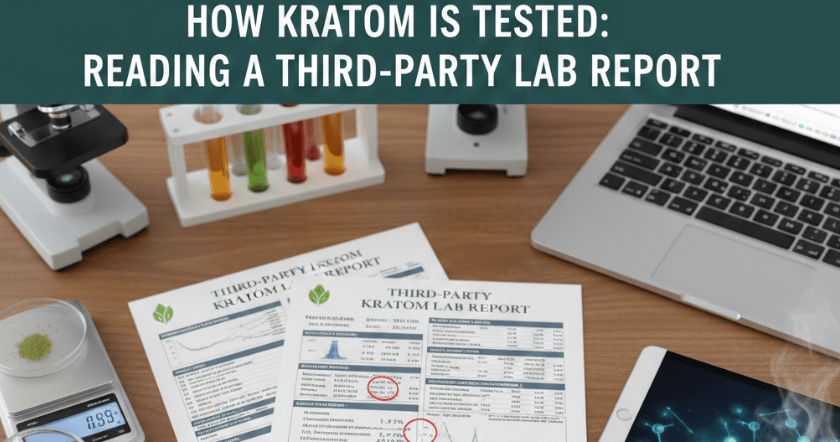
How Kratom Is Tested: Reading A Third-Party Lab Report
The necessity of consumer education, Kratom quality control, and openness is growing along with the Kratom business. Third-party laboratory testing is one of the most trustworthy methods for evaluating Kratom quality. However, when they see a Kratom Certificate of Analysis (COA), many customers are unsure of what they are truly looking at.
This article outlines the testing process for Kratom, the importance of independent lab verification, and how to evaluate a third-party lab result confidently. Gaining an understanding of these reports enables customers to make well-informed decisions and promotes improved industry standards.
Kratom vs. Yerba Mate: Best Natural Energy Boosters
The Significance Of Third-Party Testing
Third-party Kratom testing refers to the evaluation of a Kratom product by an impartial laboratory that has no financial stake in the results. Credibility depends on this division.
Reliable testing aids in:
- Check the purity and identity of the product.
- Check for dangerous pollutants
- Verify batch-to-batch consistency
- Increase customer and brand trust
- Encourage ethical retail practices
Third-party lab findings serve as a Kratom safety standard in a sector where local requirements differ.
A Certificate Of Analysis (COA): What Is It?
The findings of certain tests conducted on a Kratom sample are summarized in a document called a Kratom Certificate of Analysis (COA), which a laboratory provides. Results are only applicable to that particular manufacturing run because each COA corresponds to a single batch or lot number.
Typically, a full Kratom COA consists of:
- Name and shape of the product
- Lot or batch number
- The testing date
- Testing techniques employed
- Results of individual tests
- Details about lab accreditation
- Authorized signature from the lab
It’s concerning if a brand is unable to present a current COA upon request.
Kratom vs. Matcha: Compare, Contrast & How To Mix
Typical Tests On A Kratom Laboratory Report
COAs are not all made equal. Several important categories are often included in reputable Kratom testing.
1. Verification Of Identity
Verifying that the material is indeed Mitragyna speciosa is the first step.
Labs could make use of:
- Microscopy of plants
- Fingerprinting using chemicals
- Comparisons of chromatography
This keeps other plant materials from being substituted or adulterated.
2. Testing For Alkaloid Profiles
Alkaloids are found naturally in the best Kratom, mainly:
- The mitragynine
- 7-hydroxymitragynine
An alkaloid profile reveals:
- Key chemicals’ relative presence
- Consistency in batches
- Whether the outcomes are within the anticipated natural ranges
Important Point: Alkaloid testing is about consistency and transparency rather than strength claims.
3. Microbiological Examination
Since Kratom is a plant product, microorganisms may come into contact with it when it is being harvested and processed.
Microbial screening frequently consists of:
- Salmonella
- E. Coli
- Mold and yeast counts
Usually, the results are shown as:
- “Pass” or “Fail”
- Colony-forming units (CFU) with relation to permissible bounds
For consumer Kratom safety testing, passing microbiological testing is crucial.
4. Screening For Heavy Metals
Heavy metals may be absorbed by plants from water and soil. Third-party laboratories check for components like:
- Lead
- Mercury
- Cadmium
- Arsenic
List of lab reports:
- Levels found (if any)
- Reasonable limits
- Status of compliance
Results from clean Kratom products that adhere to safety regulations will be well below predetermined thresholds.
5. Testing For Pesticide Residues
In certain areas, cultivation may include the use of pesticides. Reputable companies conduct tests for a wide range of agricultural chemicals.
A report on pesticides will display:
- A list of substances examined
- “ND” (Not Detected) for secure outcomes
- Comparative regulatory thresholds
This testing is particularly crucial for routinely eaten plant-based products.
6. Testing For Residual Solvent
Compared to powders, this test is more frequently used for extracts. It looks for processing-related solvents.
Typical solvents examined consist of:
- Alcohol
- Acetone
- Hexane
This section may be labeled “Not Applicable” for powders, which is typical.
What Is MIT In Seltzers? A Guide To Kratom’s Microdose Innovation
How To Examine Important COA Sections
A scientific degree is not necessary to comprehend a lab report; all you need to know is what to look for.
Lot Or Batch Number
This ought to correspond:
- The label of the product
- The listing on the vendor’s website
The report could not apply to your product if the numbers don’t add up.
Date Of Test vs. Date Of Report
New testing is important. Ideally:
- Recent tests were carried out.
- Current inventory is included in the report.
Reports from the past might not accurately reflect the quality of today.
Measurement Units
Findings might be displayed in:
- mg/kg
- Parts per million, or ppm
- CFU/g
The most important thing is if readings are below safety criteria, which reliable laboratories make very evident.
The Significance Of Lab Accreditation
Not every lab operates according to the same standards. Search for:
- ISO/IEC 17025 certification
- National or state certificates
- Unambiguous lab contact details
Accredited laboratories go through frequent examinations and use approved testing procedures.
Typical Warning Signs In Lab Reports
Be wary if you observe:
- Batch numbers that are missing
- No dates for testing
- Panels that are not full (alkaloids only, for example)
- Documents that are fuzzy or changed
- Findings without lab identification
Transparency needs to be verified and unambiguous.
Reasons For Brands To Make Lab Reports Public
Companies that publicly disclose COAs exhibit:
- Dedication to the safety of consumers
- Trust in the caliber of the product
- Consistency and accountability
Access to the public lab:
- Promotes wise purchase
- Discourages false statements
- Raises the bar for the industry
How Customers Can Appropriately Utilize Lab Reports
Lab results are educational resources, not assurances of experience. Customers ought to:
- Compare reports from different batches.
- Pay attention to safety markings rather than numbers.
- Select suppliers who have reliable testing procedures.
- Steer clear of items that lack documentation.
Making prudent decisions is aided by an understanding of COAs.
Kratom Drink Reviews | Best Kratom Beverages to Try This Year
Conclusion
One of the most crucial security measures in the Kratom industry is third-party Kratom lab testing. Customers are empowered to see past marketing and concentrate on confirmed Kratom quality testing and safety when they know how to read a Certificate of Analysis.
Knowing lab results ensures that quality, accountability, and education stay at the forefront of the business, whether you’re new to Kratom or just want more openness.

Real User Stories: How People Use Kratom
Kratom is a southeast Asian botanical that has become popular over the last few years as it has the potential to boost immunity. Although it has been utilized across several purposes, currently mostly recognized due to its sheer number of applications within the realms of wellness. The real life testimonies of kratom users can offer a better view of how individuals introduce it into their lives and the effect it has had on their lives.
In this blog, we will look at some of the real user stories to be able to know how individuals use kratom, its advantages and how it has also become a lifestyle to them.
Kratom vs. Yerba Mate: Best Natural Energy Boosters- Bedrock Botanicals
The case of Sarah: Finding the Focus and Energy to a Busy Schedule.
Sarah, who is a 32-year-old marketing executive, had been experiencing a problem of being tired and not able to concentrate at work. She experimented with various power stimulants and focus-enhancing pills but did not find them very effective or harsh.
How Sarah Uses Kratom
After getting the information about possible advantages of kratom, Sarah listened to the idea to try a green-vein kratom, known to provide not only energy but also a clear mind. She began with a small dose in the morning, with her coffee, and soon was reporting an increased level of concentration with more energy during the day.
Sarah shares
“I am more energetic and active. Kratom helps me to get over long working days without feeling jittery or exhausted.”
Results And Impact
Sarah says that kratom has enabled her to remain active and alert without bouts of crashing that other stimulants induced. She no longer consumes several cups of coffee or sweeteners to sustain her. Kratom now forms a part of her daily ritual and she can now approach her day with a greater sense of focus and energy.
James’ Story: Managing Discomfort After Surgery
James, a 47-year-old construction worker, underwent knee surgery after years of physical strain on his body. Post-surgery, he faced discomfort and a slow recovery, relying on prescribed medication to manage his symptoms. However, he began seeking a more natural alternative due to concerns about the side effects of pharmaceutical drugs.
How James Uses Kratom
James turned to red-vein kratom, which is known for its potential to help with discomfort and promote relaxation. He started by using kratom powder, mixing it into a drink each evening to unwind after a long day. The red strain helped him relax and manage his discomfort, especially as his body healed.
“I was looking for something that wouldn’t have the same side effects as prescription medication,” says James.
Results And Impact
James has experienced a significant improvement in his recovery process. The natural support kratom provides has helped him manage discomfort more effectively, and he’s noticed fewer adverse effects compared to his previous medications.
Kratom vs. Matcha: Compare, Contrast & How To Mix – Read Here
Emily’s Experience: Enhancing Her Yoga And Meditation Practice
Emily, a 29-year-old yoga instructor, discovered kratom while looking for ways to enhance her yoga and meditation sessions. She was looking for something that would help her achieve a deeper sense of calm without compromising her clarity of mind.
How Emily Uses Kratom
Emily chose a white-vein kratom, which is known for its ability to provide a gentle boost of energy and mental focus while promoting a sense of calm. She began incorporating kratom into her pre-yoga routine, taking a small dose about 30 minutes before her sessions.
“Yoga is all about balance, and kratom helps me find that inner calm I need before my practice,” Emily explains. “It keeps me energized but relaxed at the same time.”
Results And Impact
Since introducing kratom into her routine, Emily has noticed a deeper connection to her practice. The mild stimulation provided by kratom helps her stay focused and energized throughout long sessions, while the calming effects allow for a more centered and peaceful meditation practice.
What Is MIT In Seltzers? A Guide To Kratom’s Microdose Innovation
Michael’s Story: A Natural Sleep Aid For Better Rest
Michael, a 55-year-old software engineer, struggled with poor sleep for years. He often found himself waking up multiple times during the night, feeling restless and unable to fully relax. After trying various sleep aids, he wanted a natural solution.
How Michael Uses Kratom
Michael chose a red-vein kratom strain known for its sedative qualities. He took it an hour before bed, mixed in a warm tea, and found it helped him unwind. The kratom allowed him to relax without feeling overly drowsy or groggy in the morning.
“Kratom has been great for me,” says Michael. “I’ve struggled with sleep for so long, and this is the first thing that’s really worked without making me feel dependent on it.”
Results And Impact
Since using kratom, Michael reports sleeping through the night more often, waking up feeling more rested. He’s noticed a significant improvement in his overall mood and energy levels, thanks to better-quality sleep. Kratom has allowed him to fall asleep naturally and wake up refreshed, without the lingering side effects of prescription sleep aids.
Clara’s Experience: Enhancing Workout Recovery
Clara, a 25-year-old athlete, frequently participates in high-intensity training and competitive sports. With the intensity of her training, recovery time became a challenge.
How Clara Uses Kratom
Clara discovered kratom through a fellow athlete who recommended it for its recovery properties. She started using a green-vein kratom after her workouts, mixing it into a post-workout smoothie.
“I love how kratom makes me feel more balanced after a tough workout,” Clara says. “It gives me energy for the next day, and I don’t feel sore as often.”
Results And Impact
Clara found that kratom helped her recover faster, reducing soreness and improving her overall performance in subsequent training sessions. It also helped her stay energized and focused throughout her busy schedule, enhancing both her athletic performance and daily life.
Buy NOMS Kratom Seltzer In Bulk – Wholesale Program
Jack’s Story: Supporting His Overall Well-being
Jack, a 40-year-old entrepreneur, had heard about kratom from friends but wasn’t sure how it could fit into his daily routine. As someone with a fast-paced lifestyle, Jack was seeking a natural way to maintain overall well-being.
How Jack Uses Kratom
Jack decided to try kratom after researching its potential benefits. He chose a balanced green-vein strain that provided a moderate boost of energy and focus. He began using it once a day, typically in the morning, to start his day with increased focus and mental clarity.
“Since I started using kratom, I feel more focused and alert,” Jack shares. “It’s like a mental reset that helps me start my day fresh.”
Results And Impact
Jack noticed a positive shift in his overall productivity and mood. He felt more focused during his workday, and his energy levels remained steady throughout the day without any crash. Kratom has become an essential part of his routine, supporting his physical and mental well-being.
Conclusion
These real user stories demonstrate how kratom can be incorporated into various lifestyles to support a wide range of needs, from focus and energy to relaxation and recovery. Whether it’s enhancing daily productivity, supporting physical well-being, or promoting mental clarity, kratom offers a personalized approach to wellness.